


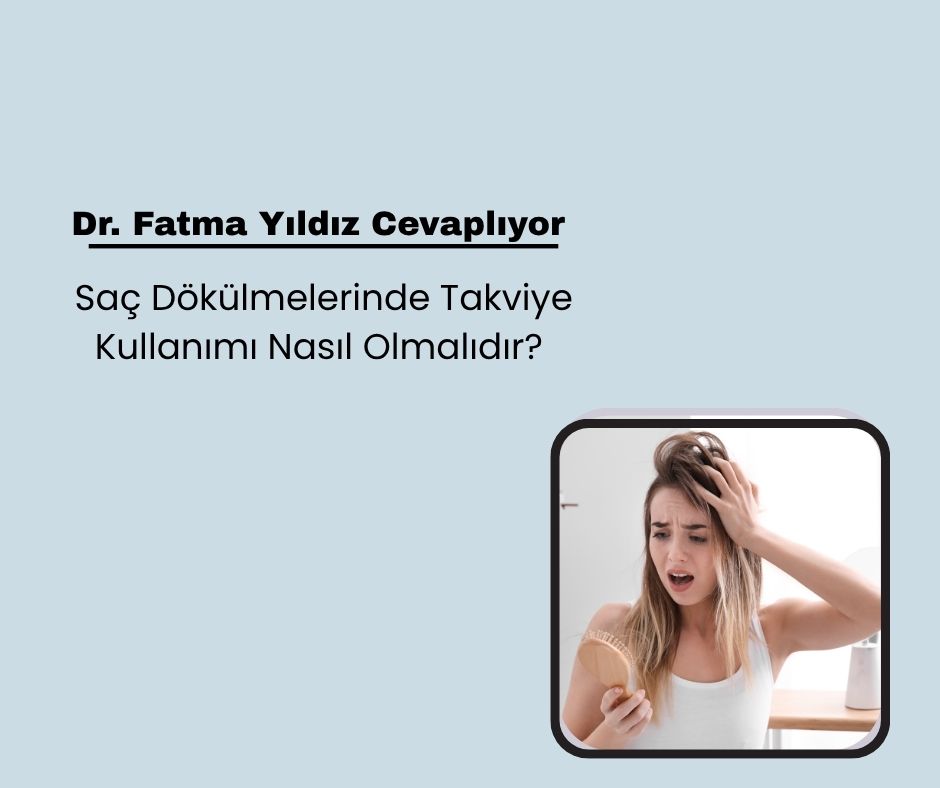

How Should Supplements Be Used in Hair Loss?
Up-to-date Approach with Scientific Data
Hair loss is a common problem that can affect both women and men, with aesthetic and psychological aspects. In addition to various treatment protocols to protect hair health and reduce hair loss, food supplements are also increasingly on the agenda. In this article, we will discuss in detail the vitamins, minerals and other supplements that are scientifically supported to be effective against hair loss.
Vitamin A
Vitamin A is critical for the development of epithelial tissues and cell renewal. It ensures healthy hair development by supporting the growth of hair follicles. However, both vitamin A deficiency and excess can lead to hair loss. Therefore, caution should be exercised in the use of supplements.
B Vitamins
B complex vitamins play a very important role in hair health. Especially vitamin B7 (biotin) plays a role in keratin production and contributes to the strengthening of hair. In its deficiency, symptoms such as hair loss, skin dryness and nail breakage can be observed. In addition, deficiency of B vitamins such as vitamin B12, folic acid and riboflavin directly affects hair health.
Vitamin C
Provides protection against free radicals with its antioxidant effect. It also increases iron absorption and supports more oxygen reaching the hair follicles. Vitamin C is indirectly, not directly, effective in preventing hair loss.
Vitamin D
Vitamin D receptors are densely located in hair follicles. Its deficiency can negatively affect the hair growth cycle. The importance of vitamin D deficiency increases especially in autoimmune hair loss (e.g. alopecia areata).
Vitamin E
Vitamin E, known for its antioxidant effect, improves blood circulation in the scalp and provides nutrition to the follicles. Taking it as a supplement can help reduce hair loss. However, it should not be forgotten that it can have a toxic effect when taken in excessive doses.
Iron
Iron deficiency anemia is one of the most common causes of hair loss in women. Low ferritin levels have been associated with the development of telogen effluvium. Therefore, iron levels should definitely be evaluated in patients complaining of hair loss.
Zinc
Zinc plays a role in cell growth and tissue repair. It is necessary for the cells around the hair follicle. Its deficiency can lead to thinning, shedding and growth retardation in hair. However, excessive intake can also trigger hair loss.
Selenium
Selenium plays a role in antioxidant defense mechanisms and contributes to the proper functioning of the immune system. It has an important place in the activity of enzymes that play a role in hair growth. However, both its deficiency and excess can lead to hair loss.
Essential Fatty Acids
Fatty acids such as omega-3 and omega-6 maintain the elasticity and moisture balance of the hair. They also have inflammation-reducing effects on the scalp. Taking them as supplements helps the scalp stay healthy.
Amino Acids
Sulfur-containing amino acids such as methionine and cysteine, which are necessary for keratin synthesis, are the basic building blocks of hair. Hair loss can be observed in case of their deficiency. L-cysteine supplementation, in particular, supports hair health by increasing keratin production.
Herbal Phytochemicals
Herbal antiandrogenic substances such as saw palmetto can be supportive in hair loss due to hormones by reducing DHT (dihydrotestosterone) levels. However, their effects are limited and should not replace medical treatments.
Conclusion
Hair loss is a complex process and is not due to a single cause. Therefore, a multidisciplinary approach is essential in supportive treatments. While eliminating vitamin and mineral deficiencies supports the hair growth cycle; amino acids, essential oils and some herbal substances also contribute to this process. However, each individual's needs are different and supplements should definitely be planned under the supervision of a physician.
This article was prepared by Doctor Fatma Yıldız and shared within the scope of the scientific consultancy service of Ankara Life Polyclinic.
 Call
Call
 Whatsapp