


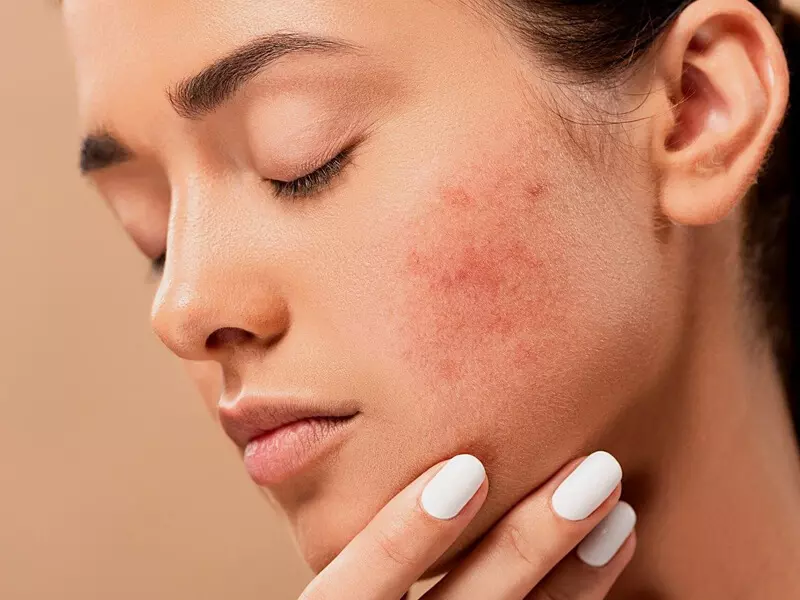

Acne scars are changes that remain on the skin after acne or pimples and may alter the skin's normal texture. These changes can appear as depressions, discoloration, or raised and thickened areas. Acne & Pimple Scars may cause both aesthetic concerns and emotional discomfort for some individuals.
Acne scar formation is related to changes in the skin's normal healing and collagen-remodeling process. Atrophic scars may develop when insufficient tissue is produced, while hypertrophic or keloid-type scars may involve excessive collagen formation. Acne Scar Treatment aims to reduce the visible appearance of these scars and improve skin texture.
There are several methods that may be considered for acne scars, but not every method is appropriate for every individual. For this reason, an individualized treatment plan is important when choosing between different options. Acne & Pimple Scar Treatments may include laser procedures, chemical peels, microneedling, subcision, fillers, or other techniques depending on the scar type.
Why May Acne Scar Treatment Be Considered?
Acne scar treatment may be considered for both aesthetic and personal reasons. Visible scars can affect how some individuals feel about their appearance and may influence confidence in social situations. Centers providing Ankara Laser and other dermatological procedures may offer different treatment approaches according to scar characteristics and individual needs.
The decision to undergo treatment depends on the severity of the scars and the individual's own preferences. Post-acne pigmentation may gradually fade in some cases, but true depressed or raised scars may persist and require professional procedures if treatment is desired. Skin type, scar depth, active acne, medical history, and general health should all be considered when selecting a method.
In conclusion, Acne Scar Treatment may help improve the visible appearance of scars and skin texture in appropriately selected individuals. Preparing the skin correctly before the procedure can support treatment planning and reduce unnecessary irritation. The preparation process should therefore be adjusted according to the specific treatment that is planned.
Skin Preparation: First Steps
Before beginning treatment, an appropriate skin care routine may help prepare the skin for the planned procedure. This routine generally includes gentle cleansing, suitable moisturization, and sun protection. Products should be selected according to skin type, sensitivity, active acne status, and the procedure that will be performed.
Another important step is evaluating the overall condition of the skin. A dermatologist or appropriately qualified professional can assess skin type, scar characteristics, active inflammation, pigmentation tendency, and previous treatment history. This information helps determine which acne scar treatment method may be more appropriate and whether any preparation is required beforehand.
Nutrition may also be considered as part of general health before treatment. A balanced diet can support normal skin and body functions, while adequate hydration contributes to overall hydration status. However, food choices and water intake should not be considered direct methods for improving acne scars or guaranteeing better treatment results.
Skin Cleansing and Peeling Before Treatment
Skin cleansing is an important part of preparing for Acne Scar Treatment. Daily oil, dirt, sunscreen, and makeup residue can be removed with a gentle cleanser appropriate for the individual's skin type. Harsh cleansing or excessive scrubbing should generally be avoided because unnecessary irritation may make the skin more sensitive before treatment.
Peeling products can remove superficial dead skin cells, but they should not automatically be used before every acne scar procedure. Chemical or mechanical exfoliation may increase sensitivity before laser treatment, microneedling, or other resurfacing procedures. For this reason, acids, retinoids, scrubs, or peeling products may need to be reduced or temporarily discontinued according to professional instructions.
A regular skin care routine can help maintain the skin barrier, but excessive cleansing or exfoliation may have the opposite effect. The frequency and type of products should therefore be adjusted according to individual sensitivity and the procedure being planned. More aggressive preparation does not necessarily lead to better acne scar treatment results.
Moisturizing and Protecting the Skin
Appropriate moisturization can be useful before acne scar treatment, particularly if the skin is dry, irritated, or sensitive. A suitable moisturizer may help support the skin barrier and reduce excessive dryness. The formulation should be selected according to skin type and should not unnecessarily clog or irritate acne-prone skin.
Protecting the skin from excessive ultraviolet exposure is also important before many procedures. Sun exposure and tanning may increase the likelihood of pigmentation changes after certain treatments. Broad-spectrum sunscreen and additional sun-protection measures can therefore be considered according to daily exposure and the procedure that is planned.
Natural oils, serums, or active ingredients should be used cautiously before treatment. Ingredients such as hyaluronic acid may support hydration, while vitamin E or botanical oils are not automatically suitable for every skin type and may occasionally cause irritation. Product selection should therefore focus on skin tolerance rather than assuming that a particular ingredient will improve acne scars.
The Effect of Nutrition on the Skin
Nutrition is one of several factors that support general health and normal skin function. A balanced diet can provide the protein, vitamins, minerals, and other nutrients needed for normal tissue processes. However, diet alone should not be expected to repair established Acne Scars or directly determine the outcome of scar treatment.
Foods such as vegetables, fruits, fish, nuts, and other sources of healthy fats can form part of a balanced eating pattern. Omega-3 fatty acids are associated with general health and inflammatory processes, but they should not be presented as a direct treatment for acne scars or as a guaranteed method for improving skin elasticity.
Limiting excessive consumption of highly processed foods and added sugars may be appropriate as part of general nutritional health. Adequate hydration also supports normal body functions. These habits may contribute to overall well-being, but they should be considered supportive measures rather than specific treatments for acne scars.
Skin Sensitivity and Important Considerations
Skin sensitivity varies considerably between individuals and should be considered before acne scar treatment. Sensitive or easily irritated skin may react more strongly to certain laser procedures, chemical peels, microneedling, or active skin care ingredients. A professional assessment can help determine whether the skin needs additional preparation before treatment.
Gentle, fragrance-free, or low-irritation products may be preferred for sensitive skin when appropriate. Products marketed as hypoallergenic can still cause reactions in some individuals, so they do not completely eliminate allergy risk. Patch testing may sometimes be useful for selected cosmetic products, although it does not guarantee that no reaction will occur.
Individuals with sensitive skin should monitor their skin carefully during the preparation period and report unusual irritation, rash, swelling, or other reactions to the professional managing their treatment. Adjusting the preparation routine according to individual skin response can help reduce unnecessary irritation and support a more appropriate acne scar treatment plan.
 Call
Call
 Whatsapp