


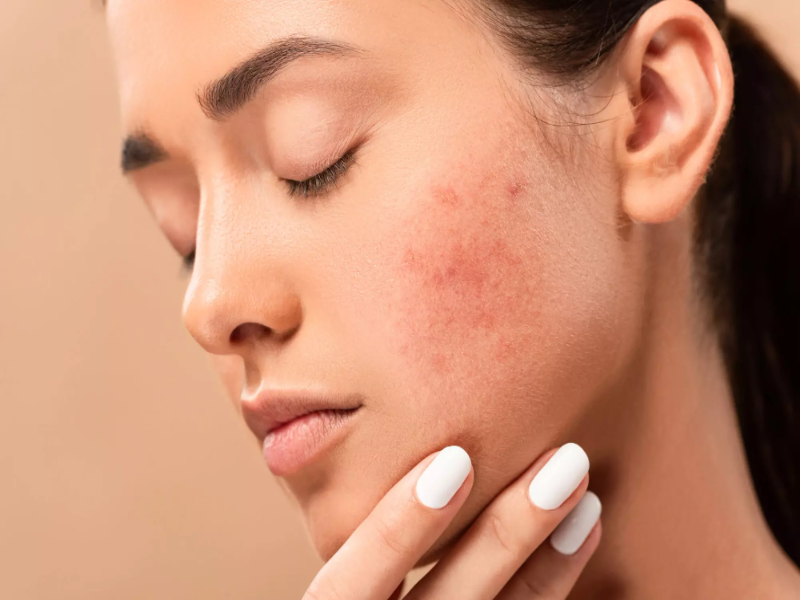

Acne scars are persistent changes in skin texture that may remain after inflammatory acne. They can develop when inflammation affects the normal healing process and alters collagen production. Acne and pimple scars may vary in type and depth and can affect both skin texture and appearance.
Different types of acne scars can occur. Common examples include depressed or atrophic scars and raised hypertrophic or keloid-type scars. Dark marks that remain after acne, known as post-inflammatory hyperpigmentation, are different from true acne scars and may require a different treatment approach.
Acne-related skin changes may also affect self-confidence for some individuals. Acne Scar Treatment may help reduce the visible appearance of selected scars and improve skin texture, although the degree of improvement varies according to scar type, skin characteristics, and the treatment method used.
Acne Scar Treatment in Ankara: Importance and Treatment Planning
Acne scar treatment is offered by dermatology and aesthetic treatment centers in Ankara using different techniques and technologies.
Treatment should be individualized according to the type, depth, location, and severity of the scars, as well as the individual's skin type and medical history.
Selected Ankara Laser treatments may be used to improve the appearance of certain acne scars. However, laser treatment is not appropriate for every scar type or every skin type.
Professional assessment before treatment can help determine which method or combination of methods may be more suitable.
Importance of Preparing the Skin
Preparing the skin appropriately before acne scar treatment can help reduce unnecessary irritation and support the treatment process.
The exact preparation depends on the procedure being planned. Laser resurfacing, chemical peeling, microneedling, and other methods may each require different pre-treatment instructions.
A gentle skin care routine may be recommended before treatment, particularly if the skin is sensitive or irritated.
Strong exfoliants, retinoids, acids, or other active products may need to be temporarily reduced or discontinued before certain procedures. This decision should be made according to professional instructions rather than applying the same routine to everyone.
Preparation According to Skin Type
Skin characteristics can influence how the skin is prepared before treatment.
For Oily or Acne-Prone Skin
Cleansing: A gentle cleanser suitable for acne-prone skin may be used. Harsh scrubbing and unnecessary exfoliation should generally be avoided before procedures that may irritate the skin.
Moisturizing: Lightweight, non-comedogenic moisturizers may help support the skin barrier.
Sun Protection: Broad-spectrum sunscreen suitable for oily or acne-prone skin may be preferred.
For Dry Skin
Cleansing: Gentle cleansers that do not excessively strip the skin may be more appropriate.
Moisturizing: Products that support hydration and the skin barrier may be useful before treatment.
Sun Protection: A sunscreen formulation suitable for dry skin may help maintain comfort.
For Combination Skin
Cleansing: A gentle cleanser that does not excessively dry either oily or dry areas may be appropriate.
Moisturizing: Different products or amounts may be used on different areas depending on individual needs.
Sun Protection: Broad-spectrum sunscreen appropriate for the entire face may be used.
These recommendations provide general guidance. Preparation should ultimately be adjusted according to the acne scar treatment being planned.
The Role of Nutrition and Hydration
A balanced diet and adequate hydration can support general health and normal skin function.
Foods containing fruits, vegetables, whole grains, healthy fats, and sources of omega-3 fatty acids may be included as part of a balanced diet.
However, no specific food or dietary pattern should be considered a direct treatment for acne scars.
Similarly, adequate water intake supports normal body functions but should not be expected to directly remove acne scars or significantly accelerate scar remodeling.
Nutrition and hydration should therefore be considered supportive factors rather than substitutes for professional acne scar treatment.
Skin Care Products: What May Be Used?
Skin care products used before Ankara acne scar treatment should be selected according to skin type, sensitivity, and the procedure being planned.
Cleansers
Gentle Formulas: Products that remove dirt and oil without causing excessive dryness or irritation may be preferred.
Skin Compatibility: A cleanser appropriate for the individual's skin type may help maintain the skin barrier.
Moisturizers
Non-Comedogenic Formulas: These may be particularly useful for acne-prone skin.
Hydrating Ingredients: Ingredients such as hyaluronic acid or glycerin may help support skin hydration.
Sunscreens
SPF 30 or Higher: Broad-spectrum sunscreen may be recommended to reduce ultraviolet exposure before treatment.
Broad-Spectrum Protection: Products that protect against both UVA and UVB radiation may be preferred.
Active ingredients such as retinoids, exfoliating acids, benzoyl peroxide, or strong acne treatments may need to be adjusted before some procedures. They should not automatically be continued or discontinued without considering the planned treatment.
Benefits of Consulting a Dermatologist Before Treatment
Professional evaluation before acne scar treatment can help determine the type of scars and identify factors that may influence treatment safety and response.
During the consultation, it is useful to discuss previous acne treatments, current medications, skin sensitivity, pigmentation tendency, history of keloid formation, and previous cosmetic procedures.
This information can help guide treatment planning and reduce the likelihood of choosing an unsuitable procedure.
Possible treatment options may include laser procedures, chemical peels, microneedling, subcision, fillers, or other approaches depending on the type of scar.
No single treatment is appropriate for every type of acne scar.
Common Acne Scar Treatment Methods
Several treatment methods may be considered depending on scar type, depth, skin tone, and individual response.
Laser Treatment
Selected Ankara Laser procedures may help improve the appearance of certain acne scars by promoting controlled skin remodeling.
Different laser systems have different effects and recovery periods, so the technology should be selected according to individual needs.
Microneedling
Microneedling creates controlled micro-injuries in the skin and may stimulate a wound-healing response associated with collagen remodeling.
It may be considered for selected atrophic acne scars, although suitability depends on skin characteristics and scar type.
Chemical Peeling
Chemical peeling involves controlled exfoliation of selected layers of the skin.
It may be more useful for superficial pigmentation changes or mild textural irregularities than for very deep scars.
Other Methods
Depending on the scar type, other approaches such as subcision, dermal fillers, or treatments for raised scars may also be considered.
The most appropriate method should be selected according to the individual's scar pattern rather than assuming that one treatment is best for everyone.
What Should Be Considered During the Treatment Process?
Patience is important during acne scar treatment because visible changes may develop gradually over several weeks or months.
Following the recommended skin care routine and professional aftercare instructions may help support recovery.
Sun protection is particularly important after procedures that temporarily increase skin sensitivity. Broad-spectrum sunscreen may be recommended after selected Ankara Laser treatments and other resurfacing procedures.
Strong acids, retinoids, exfoliants, or other potentially irritating products may need to be temporarily avoided depending on the treatment performed.
A balanced lifestyle, adequate sleep, appropriate nutrition, and sufficient hydration can support general health, but they should not be expected to directly determine the success of acne scar treatment.
The treatment plan should be adjusted according to scar type, skin response, healing process, and professional evaluation.
 Call
Call
 Whatsapp