


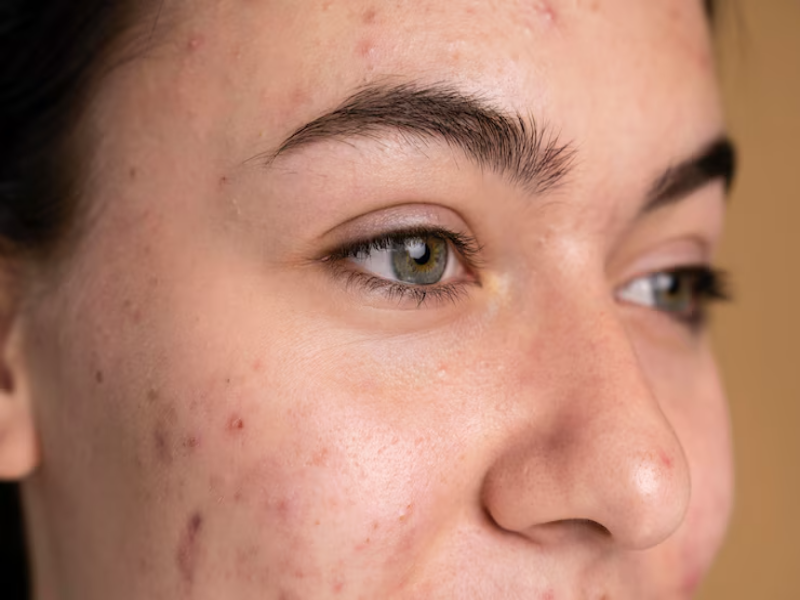

Acne is a common skin condition that can affect the quality of life of many individuals. It is important to understand that acne is not merely a superficial concern. Acne treatment may help protect skin health, reduce inflammation and improve self-confidence. Preparing the skin correctly before treatment may support treatment tolerance and reduce the risk of unnecessary irritation.
Preparing the skin for acne treatment includes selecting suitable products and establishing a simple, consistent skincare routine. Appropriate preparation may help the skin respond more comfortably to treatment and reduce reactions such as dryness, redness and sensitivity.
The preparation process should be planned according to the individual’s skin type, acne severity and proposed treatment method. Products that are suitable for one person may not be appropriate for another. Professional assessment is therefore important before introducing strong active ingredients or undergoing a clinical procedure.
Treatment preparation may also be psychologically important. Understanding that acne treatment generally requires time and consistency can help create realistic expectations. Taking appropriate steps before acne and acne scar treatments supports a safer and more manageable process.
Benefits of Establishing a Skincare Routine
Maintaining a regular skincare routine is beneficial not only before acne treatment but also for general skin health. Oil, dead skin cells, make-up residue and environmental impurities may accumulate on the skin and contribute to blocked pores. Gentle daily cleansing and suitable moisturising are therefore among the basic stages of skincare.
A skincare routine should not be unnecessarily complicated. A gentle cleanser, a non-comedogenic moisturiser and daily sunscreen are often the main components. Additional products should be selected according to the individual’s needs and the dermatologist’s recommendations.
Toners are not essential for every skin type. Products containing high levels of alcohol, fragrance or exfoliating ingredients may increase irritation, especially when acne medication is being used.
Weekly scrubs, peeling products and masks should also be approached carefully. Frequent exfoliation may damage the skin barrier and worsen redness or sensitivity. Strong exfoliating products should be discontinued before procedures when recommended by the treating specialist.
Consistency is more important than using numerous products. A simple routine followed regularly may help maintain the skin barrier throughout the treatment process and afterwards.
Information About Acne and Acne Scar Treatments
Active acne and acne scars are different concerns and may require separate treatment approaches. Active acne treatment generally focuses on reducing blocked pores, inflammation and new breakouts. Acne scar treatment focuses on pigmentation or structural changes that remain after active lesions have healed.
Professional options for acne-related concerns may include prescribed topical products, oral medication, chemical peeling, selected laser procedures, microneedling and microdermabrasion. The suitability of each method depends on the type of acne, the form of the scars and the individual’s skin characteristics.
Laser procedures may be used for selected post-acne pigmentation and structural scars. Different technologies target different layers of the skin and may support collagen remodelling or a more even-looking skin tone.
Chemical peeling exfoliates selected layers of the skin in a controlled manner. It may be considered for blocked pores, superficial pigmentation and certain forms of active acne, depending on the peeling agent and the condition of the skin.
Acne scar treatment is highly individual. Consulting a dermatologist is important when selecting an appropriate procedure and determining whether active acne should be controlled before scar treatment begins.
Acne Treatment Options with Ankara Laser
Ankara Laser centres may offer different procedures for active acne, post-acne pigmentation and acne scars. However, laser treatment is not appropriate for every type of acne, and not every laser works through the same mechanism.
Certain light- or laser-based applications may be used as part of an active acne treatment plan in selected individuals. Other laser technologies are mainly intended to improve pigmentation, uneven skin texture or acne scars after active inflammation has been brought under control.
Laser procedures for acne scars may stimulate collagen remodelling and support gradual improvement in skin texture. Treatment generally requires multiple sessions, and results may continue to develop during the weeks or months following a procedure.
Other options available at professional centres may include chemical peeling and microdermabrasion. Chemical peeling may support surface renewal and improve selected acne-related concerns. Microdermabrasion is generally more suitable for mild superficial irregularities than for deep scars.
A detailed skin assessment should be performed before any procedure. The proposed method, device settings, expected recovery period and possible risks should be explained clearly. No clinical procedure should be considered universally suitable or completely risk-free.
Preparation Stages According to Skin Type
Every skin type has different characteristics, and these differences influence preparation before acne treatment.
Oily and Acne-Prone Skin
Oily skin generally produces more sebum, but it should not be cleansed aggressively. Excessive washing or strong alcohol-based products may disrupt the skin barrier and increase irritation.
A gentle cleanser and a lightweight, non-comedogenic moisturiser may be appropriate. Products intended to regulate oil production should be introduced gradually and used according to professional guidance.
Dry or Sensitive Skin
Dry skin requires support to maintain the skin barrier. Fragrance-free moisturisers and gentle cleansers should generally be preferred. Strong acids, scrubs and drying products may need to be avoided before treatment.
Hydrating masks may be used when they contain gentle ingredients and do not irritate the skin. However, introducing a new mask shortly before a clinical procedure is not recommended.
Combination Skin
Combination skin may have increased oiliness in the forehead, nose and chin while other areas remain normal or dry. Different areas may require different amounts of moisturising, but using too many products can complicate the routine.
A gentle cleanser, a suitable moisturiser and sunscreen may provide an appropriate foundation. Additional products should be introduced according to the main concern rather than applied automatically to every area.
General Preparation Before Acne Treatment
Several precautions may be required before beginning acne treatment or undergoing a professional procedure.
Share Your Medical History
The dermatologist should be informed about medications, allergies, pregnancy or breastfeeding, previous procedures and any history of unusual skin reactions. Prescription and non-prescription acne products should also be disclosed.
Avoid Picking Acne Lesions
Squeezing, scratching or picking acne lesions may increase inflammation, pigmentation and scar risk. The skin should be left as calm and intact as possible before treatment.
Protect the Skin from Sunlight
Sunburned or heavily tanned skin may not be suitable for certain procedures. Daily broad-spectrum sunscreen use and limiting direct sun exposure may help prepare the skin.
Discontinue Irritating Products When Advised
Retinoids, exfoliating acids, abrasive scrubs, waxing and certain cosmetic procedures may need to be paused before laser treatment, chemical peeling or microneedling. The timing should be determined by the treating specialist.
Keep the Routine Simple
New active ingredients should not be introduced immediately before treatment. A gentle cleanser, moisturiser and sunscreen are generally safer during the preparation period.
Skincare After Acne Treatment
The skin may become dry, sensitive or irritated after certain acne treatments. Supporting the skin with gentle and moisturising products can improve comfort and help protect the skin barrier.
The skincare routine should continue after treatment, but it may need to be simplified temporarily. Gentle cleansing, regular moisturising and sun protection remain important. Exfoliating products, retinoids and other strong active ingredients should only be restarted when recommended.
Daily sunscreen use helps protect sensitive skin from ultraviolet rays and reduces the risk of post-inflammatory pigmentation. The product should be non-comedogenic and suitable for the individual’s skin type.
Regular follow-up appointments allow the dermatologist to assess the skin’s response and adjust the treatment plan when necessary. Unexpected swelling, severe pain, blistering or persistent irritation should be reported promptly.
Preparing the skin correctly before acne treatment supports a more controlled process. A personalised routine, realistic expectations and professional guidance are essential for protecting skin health and achieving appropriate long-term improvement.
 Call
Call
 Whatsapp