


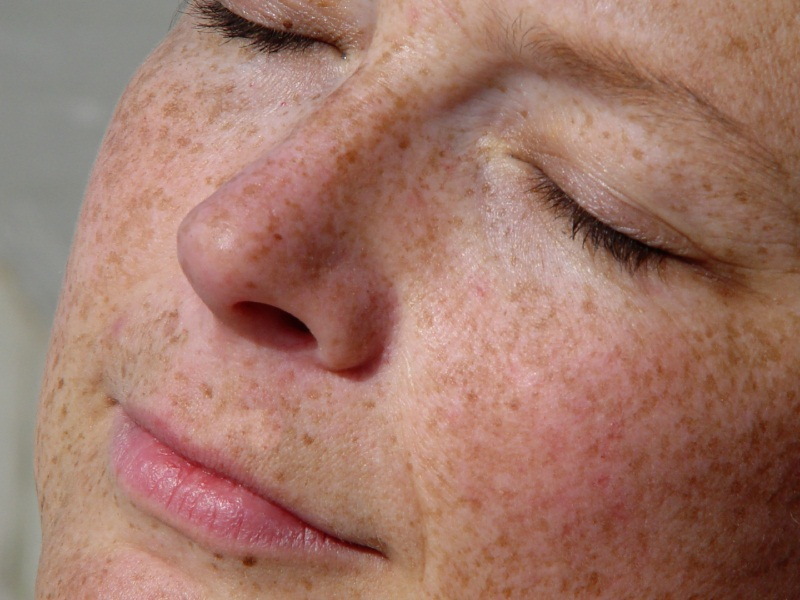

Facial pigmentation is a common skin concern that affects many people. These spots may develop for various reasons, including ultraviolet exposure, hormonal changes, and the natural aging process. Skin Pigmentation Treatments include different approaches designed to reduce the visible appearance of pigmentation. These methods may include laser treatments, chemical peels, and microdermabrasion.
Before beginning treatment, it is important to evaluate the individual's skin type and the characteristics of the pigmentation. This assessment can help determine which treatment method may be more appropriate. For example, certain Ankara Laser treatments may be considered for selected pigmentation concerns. However, not every treatment method is suitable for every skin type, so professional evaluation is an important part of treatment planning.
Appropriate skin care after facial pigmentation treatment can help support skin recovery and maintain the improvement achieved with treatment. For this reason, it is useful to plan how the skin will be protected and cared for during the recovery period.
Why Is Skin Care Important After Facial Pigmentation Treatment?
Skin care after facial pigmentation treatment is important because some procedures can temporarily make the skin more sensitive to environmental factors.
Depending on the treatment performed, the skin barrier may require additional support during the recovery period. Gentle cleansing, appropriate moisturization, and sun protection are commonly considered important parts of aftercare.
Post-treatment care should not necessarily involve a large number of products. In many cases, a simple routine focused on protecting the skin barrier may be more appropriate, particularly during the early stages of recovery.
Active serums and other skin care products should be introduced according to the treatment performed and professional recommendations rather than automatically being used immediately after the procedure.
Long-term skin care is also important for supporting general skin health and reducing factors that may contribute to recurrent pigmentation.
What Should Be Considered After Facial Pigmentation Treatment?
There are several important points to consider during the post-treatment period.
First, excessive direct sun exposure should generally be avoided. Skin treated for pigmentation may temporarily become more sensitive to ultraviolet radiation, which can contribute to irritation or further pigmentation changes.
Broad-spectrum sunscreen with an appropriate SPF may therefore be recommended. The exact product and level of protection should be selected according to skin type, treatment method, and professional advice.
Second, products that may irritate the skin should be used cautiously. Strong exfoliants, alcohol-based toners, acids, retinoids, or highly fragranced products may need to be temporarily avoided depending on the procedure performed.
Gentle moisturizers can help support the skin barrier and reduce dryness or tightness during recovery.
Skin Care Products After Facial Pigmentation Treatment
Products used after treatment should be selected according to the skin's condition and the type of procedure performed.
Sun protection is one of the most important parts of post-treatment skin care. Broad-spectrum sunscreen with an appropriate SPF can help protect treated skin from ultraviolet exposure.
Antioxidant ingredients such as vitamin C, vitamin E, or niacinamide may be useful in certain skin care routines, but they should not automatically be started immediately after every procedure. Their use should depend on skin tolerance and professional recommendations.
Moisturizers containing ingredients such as hyaluronic acid or glycerin may help support hydration and skin comfort.
The main priority during early recovery is generally to avoid unnecessary irritation and allow the skin barrier to recover appropriately.
Post-Treatment Care Recommendations According to Skin Type
Skin type plays an important role in selecting appropriate skin care products after pigmentation treatment.
For oily skin, lightweight and non-comedogenic moisturizers may be suitable. However, active ingredients such as salicylic acid should not automatically be restarted immediately after treatment. The timing depends on the procedure and skin sensitivity.
For dry skin, richer moisturizers may help reduce dryness and support the skin barrier. Products should be selected according to individual tolerance.
For sensitive skin, fragrance-free and gentle formulations may be preferable. Products containing soothing ingredients may help improve comfort, but even natural ingredients can occasionally cause irritation in sensitive individuals.
For this reason, post-treatment skin care should be individualized rather than based solely on skin type.
Frequently Asked Questions
Why does my skin become sensitive after facial pigmentation treatment?
Some facial pigmentation treatments affect the outer layers of the skin or deliver controlled energy to targeted tissue. As a result, temporary redness, dryness, warmth, or sensitivity may occur depending on the procedure.
During this period, gentle skin care and protection from excessive environmental exposure can help support recovery.
How long should I protect my skin from the sun after treatment?
Sun protection is particularly important after pigmentation treatment.
The duration of increased sensitivity varies according to the procedure performed. In some cases, additional sun precautions may be recommended for several weeks or longer.
Rather than applying a fixed period to every treatment, the appropriate duration should be determined according to the procedure and professional recommendations.
Which skin care products should be avoided after treatment?
During the early recovery period, strong exfoliants, alcohol-based toners, retinoids, acids, highly fragranced products, and other potentially irritating ingredients may need to be temporarily avoided.
The appropriate time to restart these products depends on the treatment performed and how the skin is healing.
Gentle cleansing, appropriate moisturization, and consistent sun protection are generally the main priorities during the early post-treatment period.
 Call
Call
 Whatsapp