


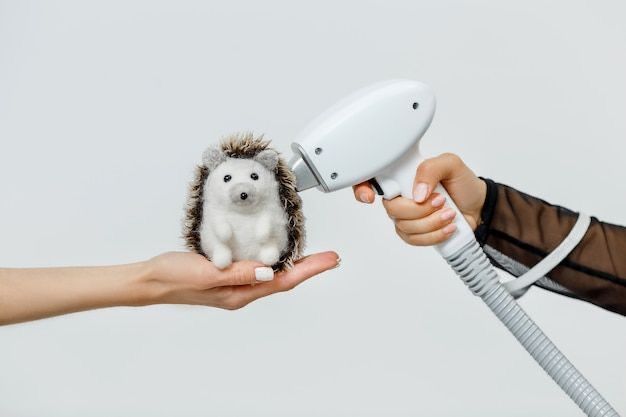

Ice Laser Epilation (Ice Laser Epilation) is a laser epilation method that has gained popularity in recent years and stands out with its painlessness and speed. This method offers a more comfortable and effective solution compared to traditional laser epilation. Ice laser minimizes discomfort that may occur during the procedure by providing cooling on the skin. Here are the details of how ice laser epilation is applied:
1. Skin Cleaning and Preparation
The first step is to clean the area to be applied. Substances such as makeup, oil, dirt and sweat on the skin are cleaned. In addition, it may be necessary to clean the area of hair so that the laser light can effectively reach the hair roots. However, in ice laser epilation, it may not be necessary to completely clean the hair roots because the laser energy is directed directly to the hair roots during the procedure.
2. Adjusting the Ice Laser Device
The parameters of the ice laser device are adjusted by the specialist according to your skin type, hair color and thickness. The device is programmed to apply the laser light and cool. The device's head creates a constant cold feeling on the skin with its cooling effect.
3. Cooling and Laser Light Application
In ice laser systems, instant cooling is provided on the skin. Cooling temporarily numbs the pain receptors on the skin surface and makes the effect of the laser light more comfortable. The laser light is sent under the skin and targets the hair follicles. The energy given by the laser destroys the hair roots and prevents hair growth.
Ice Laser Features:
Cooling System: There is a built-in cooling system to cool the skin surface. This reduces pain during the procedure.
Fast Application: Thanks to the wide application head of the device, the procedure is completed quickly. In this way, large areas can be treated in a short time.
Painless: Cooling greatly reduces the effect of the heat given by the laser, thus making the procedure painless.
4. Application Time
The duration of ice laser epilation varies depending on the size of the area to be applied. The procedure may take approximately 10-15 minutes in small areas such as the face, while the duration may vary between 30-45 minutes in large areas such as the legs and back. However, the fast procedure time of the ice laser is a significant advantage compared to other methods.
5. Results and Recovery Process
The results of ice laser hair removal are usually seen quickly. After the first session, a significant reduction in hair can be observed, but several sessions are required for permanent results. Sessions are usually performed 4-6 weeks apart and can take up to 6-8 sessions in total.
Recovery process:
Redness and Slight Swelling: There may be slight redness on the skin after the procedure, but this goes away within a few hours.
Skin Care: Care should be taken with skin care after the session. The skin should be moisturized and protected from sunlight.
Sensitivity: The skin may be slightly sensitive, but this is usually a short-term condition.
6. Advantages of Ice Laser
Painless: Thanks to the cooling system, less pain and discomfort are felt.
Fast Application: Results can be achieved in a short time even in large areas.
Suitable for All Skin Types: Ice laser can be effective on different skin types. It can be used safely, especially on people with dark skin.
Less Side Effects: Minimal side effects are seen on the skin; There is no significant risk of side effects other than temporary conditions such as redness and swelling.
7. Who is it suitable for?
Ice laser epilation is suitable for most skin types and hair types. However, it is not recommended for people with active infections, open wounds or serious skin diseases. In addition, in special cases such as pregnancy and breastfeeding, a doctor's approval should be obtained before the application.
Conclusion
Ice laser epilation is one of the most comfortable and effective laser epilation methods offered by modern technology. It stands out as both fast and painless. However, since each individual's skin type and hair structure are different, the most appropriate treatment plan should be determined as a result of the evaluation made by a specialist aesthetician or dermatologist.
 Call
Call
 Whatsapp