


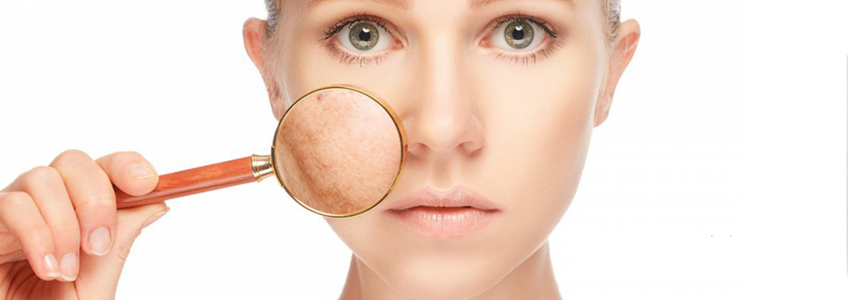

What is Spot Treatment?
Spot treatment is a series of medical procedures applied to remove unwanted pigmentation changes on the skin. Sun spots, age spots, acne scars and other pigment disorders can affect the health of the skin and cause aesthetic discomfort. Spot treatment helps treat such problems and provides equalization of skin tone.
What Methods Are Used in Spot Treatment?
Different methods are used in spot treatment. Which treatment method is chosen depends on the type, size and skin type of the spot. The most commonly used methods are:
Laser Treatment: Laser reaches the lower layers of the skin, targets the spots and reduces pigmentation. Different types of lasers such as fractional laser and Q-switched laser allow the spots on the skin to be removed faster.
Chemical Peeling: With this method, the skin surface is peeled and the skin is renewed. The peeled skin layer reveals a cleaner and spotless skin underneath.
Mesotherapy: This procedure, which is performed by injecting vitamins and minerals under the skin, supports skin renewal and reduces the appearance of spots.
Light Therapy (IPL): Light therapy targets spots and helps even out the skin tone. This treatment is especially suitable for superficial spots.
Topical Creams and Serums: Some special creams and serums used in spot treatment reduce dark pigments in the skin and prevent new spots from forming.
Spot Treatment Application Process
The spot treatment process begins with a pre-made skin analysis. The doctor evaluates your skin type and the condition of your spot and recommends the most appropriate treatment method for you. The treatment process usually includes the following steps:
Initial Consultation and Evaluation: Information is obtained about the spots on the skin and the appropriate treatment method is selected.
Treatment Application: Treatment is applied in line with the selected method. Procedures such as laser, mesotherapy or chemical peeling can be performed.
Healing Process: There may be slight redness, peeling or crusting on the skin after the treatment. This is a normal part of the treatment process. It is important to pay attention to skin care and sun protection.
Subsequent Sessions: Spot treatment usually takes several sessions. Treatment results develop between sessions, allowing the skin to heal healthily.
Spot Treatment Aftercare
The skin may be more sensitive after treatment. Therefore, some care steps should be taken to speed up the healing process and prevent spots from reoccurring on the skin:
Sun Protection: The skin is more sensitive to the sun after treatment. Therefore, it is very important to use sunscreen after treatment.
Moisturizer Use: The skin may dry out after treatment. Moisturizers support skin healing.
Gentle Cleansing: Abrasive products should be avoided when cleaning the skin, and gentle cleansers should be used.
Following the Doctor's Instructions: Following the care instructions recommended by the doctor after treatment ensures the success of the treatment process.
Spot Treatment Results
The effectiveness of spot treatment may vary depending on the method used, skin type, and type of spot. Generally, spots on the skin decrease during the treatment process and the skin tone becomes more even. The skin is renewed after treatment and gains a more vibrant, healthy appearance.
In Conclusion
Spot treatment helps to eliminate pigment disorders in the skin and provides a more even skin tone. Which treatment method will be applied is determined specifically for the person. Correct evaluations made by an expert dermatologist or skin care professional increase the success of the treatment process. It is possible to support the spot treatment process by paying attention to skin care and sun protection.
 Call
Call
 Whatsapp