


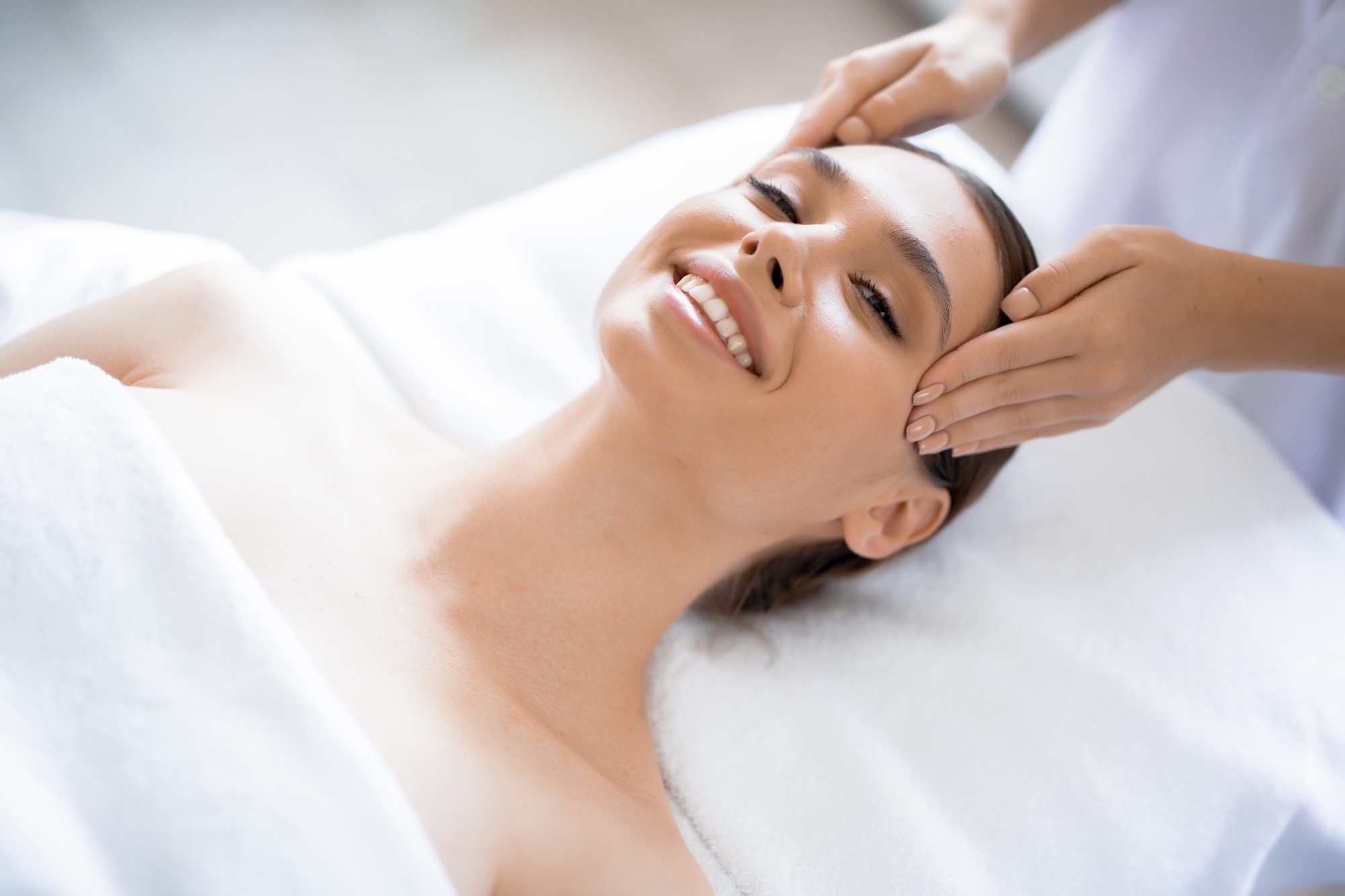

How to Care for Spotted Skin?
What is Spotted Skin?
Spotted skin is usually caused by color changes on the skin surface. These spots can occur due to reasons such as sun exposure, hormonal changes, acne scars or aging. Dark or light spots on the skin are mostly caused by an increase or decrease in the pigment called melanin. Treatment of these spots requires taking the right steps in skin care.
Basic Steps for Spotted Skin
The main purpose of spotted skin care is to eliminate color inequalities in the skin and achieve a healthy appearance. Here are some basic steps to follow to make this process successful:
Skin Cleansing:
The first step in spotted skin care is proper cleansing. The skin should be cleansed from external factors, makeup and dirt. Using a gentle cleanser protects the skin barrier and prevents irritation that can cause spots to become even more visible. Cleansing is the basis of the skin care routine and should be done regularly.
Applying Peeling:
Peeling supports skin renewal by helping to remove dead cells from the skin. Chemical peels or peeling products with natural ingredients can be used in blemish treatment. Products containing AHA (Alpha Hydroxy Acid) or BHA (Beta Hydroxy Acid) can help lighten skin tone inequality. It can be applied once a week or more frequently as needed.
Using Skin Tonics and Serums:
It is important to use tonics and serums specially formulated for blemished skin care. Serums containing vitamin C in particular can be effective in lightening blemishes on the skin. Vitamin C balances melanin production in the skin and lightens the appearance of blemishes. In addition, substances such as niacinamide (vitamin B3) are also effective in equalizing skin tone.
Moisturizing:
Moisturizing is indispensable for skincare. Since blemished skin can be more sensitive, using moisturizing products provides balance to the skin. Moisturizers containing hyaluronic acid deeply moisturize the skin while helping to strengthen the skin barrier. Moisturized skin can be more effective in combating blemishes.
Sun Protection and Prevention of Blemishes
The biggest trigger for blemishes is sunlight. Exposure to the sun can cause existing blemishes to darken and new ones to form. One of the most important steps in blemished skin care is to use daily sunscreen. Using a sunscreen with an SPF of 30 or higher, compatible with your skin type, prevents blemishes from increasing. Sunscreen should be applied 20 minutes before going outside and renewed every two hours.
Treatment Methods Applied to Lighten Blemishes
In addition to skin care, more intensive methods can also be used to treat blemishes:
Laser Treatment:
Laser skin treatment is an effective method for reducing blemishes. The laser reaches under the skin, targets the pigment and can correct color inequalities. While fractional laser is generally used for deep blemishes, other types of lasers such as the Q-Switch laser are effective for more superficial blemishes.
Mesotherapy:
Mesotherapy is another effective method used in blemish treatment. This process, which is done by injecting vitamins and active substances under the skin, accelerates skin renewal and can help reduce spots. This method is usually applied with regular sessions.
Natural Methods for Spotted Skin Care
Some natural methods can also be used for spotted skin care. However, the effect of these methods may be slower. Here are some natural solutions:
Aloe Vera: It is known for its skin tone balancing and healing properties. Aloe vera gel can help lighten spots on the skin.
Lemon Juice: The acidic structure of lemon can help brighten the skin. However, caution should be taken before applying lemon juice directly to the skin, as it can cause sensitivity.
Honey: Honey, known for its moisturizing properties, can lighten skin color inequalities.
In Conclusion
Spotted skin care should be done carefully and by choosing the right products. Skin cleansing, moisturizing, sun protection and appropriate treatment methods can lighten spots over time. Regular care and patience will help spots disappear. If natural methods or home treatments are not enough, it would be best to get professional help from a dermatologist.
 Call
Call
 Whatsapp