


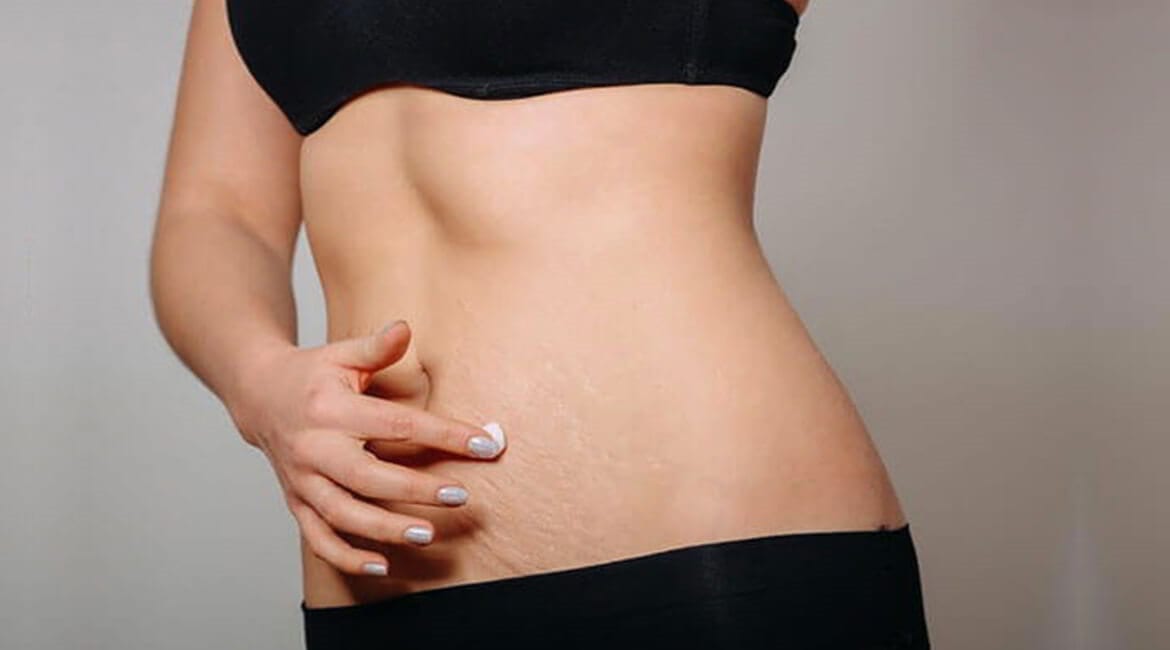

Stretch marks on the body are a common skin problem that many people face. Stretch marks are marks that appear as a result of the skin losing its elasticity. These scars are often red or purple and turn white over time. Stretch marks are generally associated with situations such as pregnancy, rapid weight gain and loss, adolescence and bodybuilding. So, how to understand stretch marks and distinguish them from other skin problems? In this article, you will learn how to recognize and treat stretch marks.
What are stretch marks on the body?
Stretch marks on the body are scars that occur as a result of the skin losing its elasticity. These cracks occur in the dermis layer under the skin. Stretch marks usually start out red or purple and turn white over time. Conditions such as pregnancy, rapid weight gain and loss, adolescence and bodybuilding, as well as hormonal changes, can also contribute to the formation of stretch marks. Stretch marks on the body are usually seen in areas such as waist, hips, chest, abdomen and thighs.
Common causes of stretch marks on the body
The most common causes of stretch marks on the body include pregnancy, rapid weight gain and loss, adolescence and bodybuilding. During pregnancy, the skin in the abdominal area stretches rapidly and stretch marks may appear. Likewise, you may encounter the same problem during rapid weight gain or weight loss or bodybuilding. Adolescence may trigger stretch marks due to hormonal changes. Stretch marks can also be affected by other factors such as genetic factors, skin type and age.
Symptoms and signs of stretch marks on the body
Stretch marks on the body usually start out red or purple and turn white over time. Initially, cracks can often cause mild itching and tenderness. However, stretch marks are usually painless and are considered only a cosmetic problem. Stretch marks appear as lines running parallel to the surface of the skin. Stretch marks on the body are usually found in areas such as waist, hips, chest, abdomen and thighs.
How can we distinguish stretch marks from other skin problems?
Stretch marks can be distinguished from other skin problems because they usually have a specific shape and pattern. Stretch marks appear as lines that extend parallel to the surface of the skin. Other skin problems often have different shapes and patterns. For example, skin diseases such as eczema are often associated with redness, blisters and itching. Cracks usually start in red or purple color and turn white over time.
Types of cracks on the body
Stretch marks on the body are generally divided into two main types: striae rubra (red stretch marks) and striae alba (white stretch marks). Red cracks indicate that the cracks are new and still active. These stretch marks usually start out red or purple and turn white over time. White cracks represent older cracks and are usually white or silver in color. White stretch marks indicate that the cracks have healed and are no longer active.
How do we recognize stretch marks on the body?
It is important to make careful observation to recognize stretch marks on the body. Cracks usually have a specific shape and pattern. They appear as lines running parallel to the surface of the skin. They initially start out red or purple and turn white over time. Stretch marks are often associated with mild itching and tenderness. However, cracks are usually painless.
How do we recognize stretch marks on different body parts?
Stretch marks can appear in different parts of the body. They are usually seen in areas such as waist, hips, chest, abdomen and thighs. Cracks in these areas generally occur where the skin is stretched and stretched. For example, stretch marks may appear in the abdominal area during pregnancy. It is important to check these areas regularly to recognize stretch marks on the body.
Prevention and treatment of stretch marks on the body
You can take some steps to prevent stretch marks on the body. First, it's important to keep your skin moisturized. Using a moisturizer daily can prevent the formation of cracks by maintaining the skin's elasticity. Additionally, living a healthy lifestyle, eating a balanced diet, and exercising regularly can also help prevent stretch marks. Treatment options include dermabrasion, laser therapy, microneedling and dermal fillers. However, it is important to consult a dermatologist before considering treatment options.
Home methods to treat stretch marks on the body
There are some methods that can be applied at home to treat stretch marks on the body. For example, Aloe Vera gel moisturizes the skin and can reduce the appearance of stretch marks. Natural oils such as almond oil or olive oil can also be effective in treating stretch marks. Additionally, creams and lotions containing antioxidants such as vitamin C and vitamin E can also help heal stretch marks. However, the effect of home treatment methods may vary individually and may not produce the same results for everyone.
C
 Call
Call
 Whatsapp