


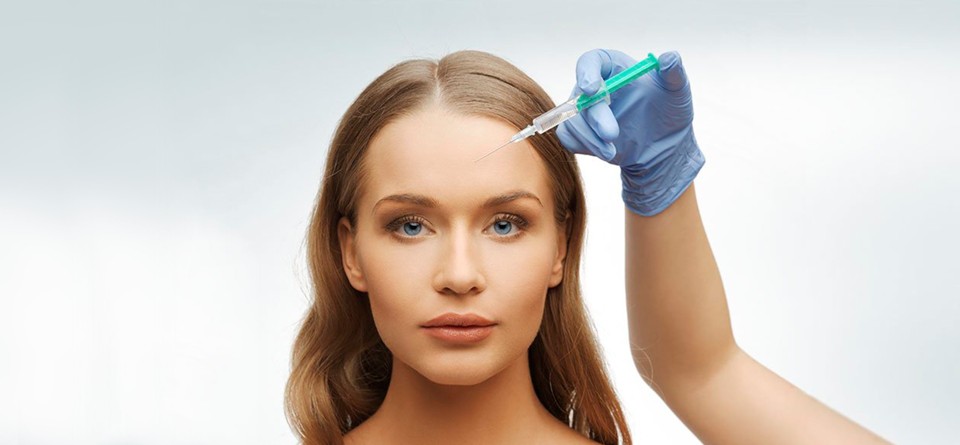

Platelet Rich Plasma (PRP) is a solution obtained from a person's own blood. PRP is obtained by concentrating and separating the platelets in the blood. Platelets are cells that contain proteins and growth factors that enable blood clotting. PRP is a plasma solution in which these platelets are concentrated.
PRP treatment is used to accelerate tissue healing in the area where it is applied. The growth factors contained in platelets stimulate new cell formation by increasing blood circulation and accelerate the healing process. PRP helps reduce skin wrinkles, prevent hair loss and remove scars.
Benefits of PRP Treatment
PRP treatment has many benefits. Here are some of the most important benefits of PRP treatment:
Skin Rejuvenation: PRP treatment helps reduce skin wrinkles and rejuvenate skin tissue. The growth factors contained in platelets increase collagen production in the skin, tightening the skin.
Hair Loss Treatment: PRP treatment is used to prevent hair loss and strengthen hair follicles. The growth factors contained in platelets encourage the revitalization of hair follicles and the formation of new hair.
Wound Healing: PRP treatment accelerates the wound healing process. The growth factors contained in platelets promote tissue regeneration in the injured area and accelerate the healing process.
PRP treatment is a treatment method that provides effective results in many areas. However, like every treatment, PRP has its own process.
Understanding the PRP Treatment Process
PRP treatment usually consists of several steps:
Taking a Blood Sample: The first step for PRP treatment is to take a blood sample from the person. The blood sample is usually taken from veins on the inside of the arm. This procedure is quick and painless, like a simple blood test.
Preparation of Plasma: After the blood sample is taken, this blood sample is processed in the centrifuge device. The centrifugal device separates the blood into platelets, plasma and other components. The plasma with a high concentration of platelets obtained as a result of this process is called PRP solution.
PRP Injection: After the plasma is prepared, it is injected into the treatment area. The injection procedure is usually done under local anesthesia and pain or discomfort is minimal. The injection procedure is performed by a specialist doctor or aesthetician.
PRP treatment is usually completed in a single session. However, treatment duration and frequency may vary depending on the person's needs and treatment area.
Preparation for PRP Treatment
Although no special preparation process is required for PRP treatment, some doctors may give some suggestions before treatment. For example, if you use blood thinning medications, you can stop using these medications before treatment. It is also important to let your doctor know what medications you are using before treatment.
Although there is no age limit for PRP treatment, treatment may not be recommended for people with certain diseases. Therefore, it is important to inform your doctor about your medical history and current health condition before treatment.
PRP Injection Process
One of the most important steps of PRP treatment is the PRP injection process. The injection process is done to determine the treatment area and inject the PRP solution into this area. The injection procedure is usually performed under local anesthesia and is accompanied by minimal pain or discomfort.
The injection process is performed with the help of a needle or syringe. PRP solution is carefully injected into the treatment area. The injection process usually takes a few minutes and then the treatment is completed.
Care and Healing Process
PRP treatment generally requires minimal recovery time. There may be slight swelling, redness or tenderness in the injection area. However, these symptoms usually go away on their own within a few days.
There are some points you should pay attention to after treatment. For example, it is important to keep the treatment area clean and hygienic. Additionally, it is recommended that you do not apply make-up or cosmetic products to the treatment area. Your doctor will give you special care instructions after treatment.
Potential Risks and Side Effects
PRP treatment is generally a safe treatment method. However, as with every treatment, PRP treatment has some potential risks and side effects. The most common side effects include mild swelling, redness, and tenderness. These side effects usually go away on their own within a few days.
More rare side effects may include infection, allergic reactions or tissue damage. Therefore, it is important to talk to your doctor about the potential risks and side effects before PRP treatment.
 Call
Call
 Whatsapp