


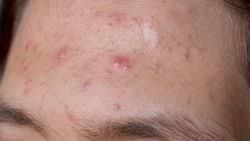

How to Get Rid of Acne at Age 12?
The age of 12 is the beginning of puberty, when the body goes through significant changes. During this period, due to changes in hormone levels, oil production in the skin increases and acne formation is common. Acne can especially appear on the face, forehead, nose, chin and sometimes on the back.
Causes of Acne at Age 12
Hormonal changes that occur in the body during puberty cause the skin to produce more oil (sebum). Excess oil clogs the pores in the skin and causes acne formation. Some factors that contribute to this situation are as follows:
Hormonal Changes:
Increases in androgen hormones in particular cause the sebaceous glands to work more. This leads to pore blockage and acne formation.
Genetic Predisposition:
People who have a family history of acne may be more prone to acne.
Wrong Product Use:
Soaps, creams or makeup products that are not suitable for the skin type can irritate the skin and increase acne formation.
Lack of Hygiene:
Not paying attention to daily skin cleansing can cause pores to become clogged.
Eating Habits:
Sugary, oily and processed foods can increase acne formation in some people.
Stress:
School, friendships or other daily stresses can also affect hormones and contribute to acne formation.
How to Get Rid of Acne in 12-Year-Old Children?
Acne formation in 12-year-old children is usually mild or moderate. However, if the right care is not applied, acne can increase and leave scars. Here are effective methods that can be applied:
Regular Skin Cleansing:
It is important to wash the skin with a gentle cleanser twice a day, morning and evening.
Mild cleansers should be preferred. Especially alcohol-free, fragrance-free products are safer.
Harsh soaps or peeling products that will irritate the skin should be avoided.
Use of Moisturizers:
Oily skin also needs moisture. Water-based, non-comedogenic (does not clog pores) moisturizers should be preferred.
Using the Right Products:
Choosing products suitable for your skin type is very important. Oil-free, light products should be used for oily skin.
Not Squeezing Pimples:
Squeezing pimples can cause scarring on the skin and spread the infection. Therefore, pimples should definitely not be squeezed.
Paying Attention to Nutrition:
A healthy diet positively affects skin health. It may be beneficial to reduce the consumption of sugary and processed foods in particular.
A diet rich in vegetables, fruits, whole grains and protein should be preferred.
Using Sunscreen:
Children aged 12 should also be protected from the harmful effects of the sun. The skin should be protected by using oil-free and non-comedogenic sunscreens.
Stress Management:
Reducing children's stress levels can also be important in controlling acne formation. Sports, hobbies or relaxation techniques can help manage stress.
What Products Should Be Used?
Since the skin of 12-year-old children is more sensitive, the products to be used should be selected carefully. Here are the products that can be used safely:
Gentle Skin Cleansers: Products that do not dry or irritate the skin should be preferred.
Moisturizers: Oil-free, water-based and light-textured moisturizers should be used.
Acne Creams: Creams containing salicylic acid or benzoyl peroxide can be used for mild acne. However, the use of these products in children should be started with a doctor's recommendation.
When to See a Doctor?
Acne seen in children aged 12 is usually mild and can be cured with methods applied at home. However, in some cases, it may be necessary to consult a dermatologist:
If acne is constantly increasing or spreading.
If painful, inflamed or pus-filled acne occurs.
If acne does not go away despite treatments applied at home.
If it has started to leave marks on the skin.
Conclusion
Acne formation in children aged 12 usually occurs due to puberty and can be controlled with proper care. Gentle skin cleansing, appropriate products and healthy lifestyle habits play an important role in this process. If acne does not go away or becomes more severe, it is necessary to consult a dermatologist and learn the correct treatment methods.
 Call
Call
 Whatsapp