



Several factors are effective in the formation of acne. The first is that the skin produces excess oil. Overactivity of the sebaceous glands can lead to clogging of pores and acne formation. Another factor is bacteria. The bacteria called Propionibacterium acnes accumulates in the pores and contributes to the formation of acne. Additionally, hormones also play a role in acne formation. Increasing hormone levels during adolescence can cause acne to appear.
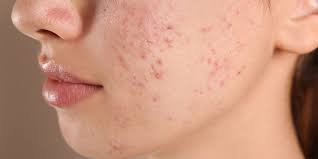
Acne types may vary. Since everyone's skin is different, acne types may vary from person to person. There are different types such as blackheads, whiteheads, papules, pustules and cysts. While blackheads occur as a result of clogging of pores, whiteheads occur due to the accumulation of bacteria that cause pores to close and become inflamed.
The Life Cycle of a Pimple
Pimples mature and heal in a cycle. This cycle can last from the formation of a pimple until it is completely healed. Here is the life cycle of a pimple:
1. Pore blockage: A pimple starts with the pores becoming clogged. When the sebaceous glands in the skin produce excess oil, the pores become clogged and oil accumulates.
2. Inflammation: Bacteria accumulate in clogged pores and infection occurs. This infection causes the pimple to become red, swollen, and inflamed.
3. Maturation of acne: Inflamed acne matures over time and a pimple head forms. At this stage, the pimple may have a white or yellow head.
4. Explosion of the pimple: The matured pimple bursts and the pus inside comes out. At this stage, the acne becomes a wound and begins to heal.
5. Healing: The burst acne wound begins to heal. The wound forms a scab and heals over time without leaving a scar on the skin.
Acne Formation Process
Acne formation occurs when many different factors come together. The first step is for the sebaceous glands in the skin to produce excess oil. As oil production increases, pores become clogged and oil accumulates. Clogged pores provide a suitable environment for bacteria to grow.
The buildup of bacteria causes inflammation and acne formation. The bacteria called Propionibacterium acnes accumulates in the pores and contributes to the formation of acne. This bacteria breaks down fatty acids in the pores, leading to inflammation.
Additionally, hormones also play a role in acne formation. Increased hormone levels during puberty cause the sebaceous glands to produce more oil. This leads to clogging of pores and acne formation.
Do You Know How to Get Rid of Acne Naturally?
Acne usually goes away on its own over time. This is due to the skin's natural healing process. After a pimple matures, it bursts and the pus inside comes out. This means the acne is starting to heal.
It may take time for acne to heal naturally. Proper skin care is important to speed up the healing process. Keeping it clean and moist helps the acne healing process. It is also important to avoid squeezing pimples. Squeezing a pimple can increase the risk of infection and cause scarring.
Nutrition can also have an effect on acne. Consumption of fatty and processed foods can increase acne formation, while consumption of fresh fruits and vegetables can support skin health. Additionally, drinking enough water can also help the skin maintain its moisture balance.
Common Misconceptions About Acne
There are many misconceptions about acne. Here are some of the most common:
• Acne occurs only in adolescence: Although acne is more common in adolescence, it can occur at any age.
• Acne occurs only in oily skin: Although acne is more common in oily skin, it can occur in any skin type.
• Squeezing acne accelerates healing: Squeezing acne increases the risk of infection and may leave scars. Therefore, it is important to avoid squeezing the pimple.
• Once the acne clears, there will be no scar: A healed acne may leave a scar. Therefore, it is important to take precautions to prevent scars when treating acne.
Acne Treatment and Prevention
Acne treatment varies depending on the severity of acne and skin type. Mild acne can usually be controlled with skin care products. Products like cleansers, toners, and moisturizers can prevent acne breakouts and keep skin clean and healthy.
For more severe acne, medications prescribed by your doctor can be used. These medications can be effective for reducing acne and controlling inflammation. Different types of medications may be used, such as antibiotics, retinoids, and hormonal drugs.
Regular skin care is important to prevent acne formation. Keeping skin clean, avoiding fatty and processed foods, drinking enough water and managing stress can reduce acne formation. Additionally, when choosing make-up products, it is important to choose products suitable for your skin type.
How to get rid of acne
Free Information,
Consultation and Appointment Request
 Call
Call
 Whatsapp