



Establishing a regular skin care routine is critical to dealing with acne. Cleansing and moisturizing your skin can help prevent acne. Cleansing your face twice a day, in the morning and in the evening, removes oil and dirt accumulated on the skin. However, when choosing cleansing products, you should choose those that suit your skin. For oily and acne-prone skin, cleansers containing salicylic acid or benzoyl peroxide may be effective.
It is important to moisturize your skin after cleansing. Using a moisturizer keeps your skin moist and prevents it from drying out. However, when choosing a moisturizer, you should consider your skin type. For oily skin, it is important to choose a light and oil-free moisturizer.
Cleansing and peeling for acne-prone skin
For acne-prone skin, cleansing and peeling procedures are effective methods that help reduce acne formation. The cleansing process removes oil and dirt from the skin, opens the pores and prevents acne formation. For this, cleansers containing salicylic acid or benzoyl peroxide can be used. These active ingredients cleanse the pores deeply and prevent acne formation.
The peeling process removes dead skin cells and excess oil. It regenerates the skin and helps reduce acne scars. You should be careful when using peeling products. To avoid irritating your skin, you should choose a gentle exfoliating product and use it once or twice a week.
Acne treatment with topical solutions
Topical solutions used in acne treatment are an effective method to treat acne and improve skin. Topical medications prescribed by your doctor prevent acne formation and treat existing acne. Creams or lotions containing active ingredients such as retinoids, antibiotics, and benzoyl peroxide are commonly used topical solutions to treat acne.
When using topical treatments, it is important to use them regularly and follow your doctor's instructions. You may experience an increase in the number of acne at first, but as the treatment process progresses, acne formation will decrease. Additionally, topical treatments may have side effects. Therefore, it is important to contact your doctor in case of any side effects.
Incorporating natural solutions into acne treatment
Incorporating natural solutions into acne treatment can support the skin healing process. Natural remedies can soothe skin, reduce inflammation, and prevent acne breakouts. Natural ingredients such as aloe vera gel, tea tree oil, lavender oil and green tea extracts can be effective in treating acne.
When using natural solutions, you should be careful not to irritate your skin. Some natural ingredients may cause irritation, especially on sensitive skin. Before using natural solutions, it is important to do a skin test and make sure no reactions occur.
Lifestyle changes that help improve acne
Some lifestyle changes can be important to cure acne. Reducing your stress levels, exercising regularly, and getting enough sleep can help reduce acne breakouts. Stress can trigger acne by causing hormonal changes. Therefore, you can apply stress management techniques to reduce stress.
Additionally, a healthy diet plays an important role in treating acne. Avoiding fast food, junk food and sugary foods can reduce acne formation. Consuming foods that nourish and renew the skin can help treat acne. It is important to include foods containing omega-3 fatty acids, vitamin C, zinc and antioxidants in your diet.
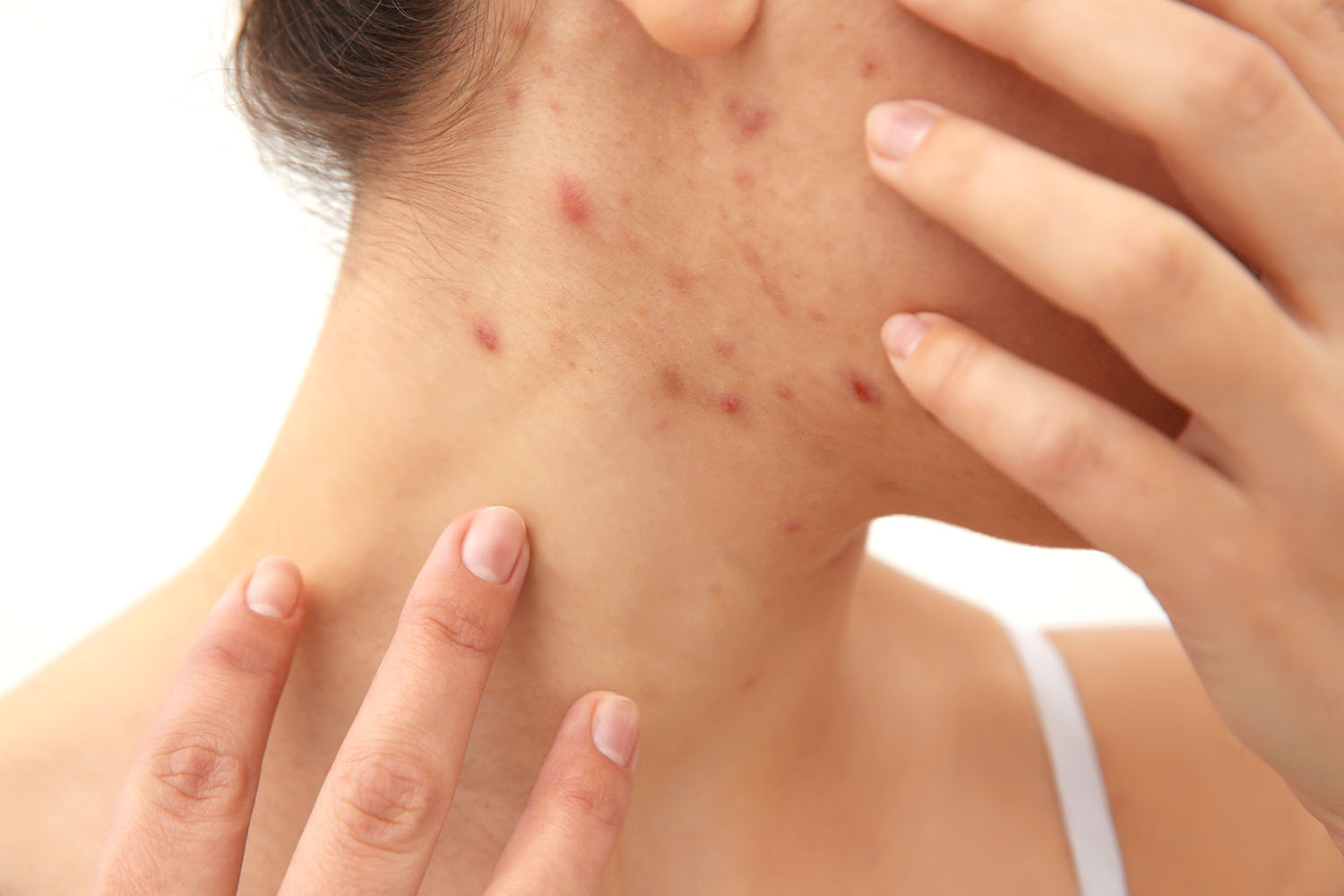
How to get rid of acne on face
Free Information,
Consultation and Appointment Request
 Call
Call
 Whatsapp