


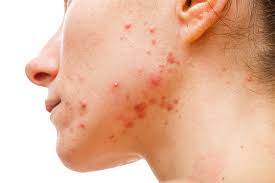

Changes in the Skin After Roaccutane
Roaccutane treatment is an effective drug for treating active acne and significantly prevents acne formation. However, acne scars that remain after treatment usually improve over time, depending on the healing process of the skin. Although this drug prevents acne by reducing oil production in the skin, more treatments may be needed for the scars to completely disappear. The skin may become smoother and healthier after Roaccutane, but additional methods may be required to remove the scars.
Alternative Methods for Acne Scar Treatment
There are several additional treatment options to lighten the appearance of acne scars after Roaccutane treatment. Chemical peeling removes dead skin cells from the skin, stimulates the formation of new cells and reduces the appearance of scars. In addition, laser treatment can help scars heal faster by stimulating the tissue under the skin. Methods such as dermaroller (micro-needling) can also improve the appearance of scars by increasing collagen production in the skin.
Skin Care Routine and Protection
After Roaccutane, the skin may become sensitive, so it is important to pay attention to skin care. Gentle cleansers and moisturizers should be used, and since the skin is dry and sensitive, intensive moisturizing creams should be preferred. In addition, extra sensitivity to the sun is necessary; using sunscreen supports the healing process in the skin and prevents the formation of new scars. After Roaccutane treatment, the skin care process helps the skin renew and can accelerate the transition of scars.
Reduction of Acne Scars Over Time
It may take time for acne scars to completely disappear after Roaccutane treatment. As the skin enters the healing process, the scars may slowly fade and become less noticeable. However, this process may vary from person to person. For advanced scars, it may be necessary to apply professional dermatological treatment methods. Being patient and paying attention to skin care can help the scars disappear faster.
In Conclusion
Time and additional treatment methods may be needed for acne scars to completely disappear after Roaccutane. While Roaccutane controls active acne, it is useful to support it with treatment options such as laser, chemical peeling and dermaroller for the treatment of scars. In addition, proper skin care and sun protection also contribute to the healing process. With the guidance of a good dermatologist, acne scars can be treated in a way that they will not become more noticeable over time.
 Call
Call
 Whatsapp