


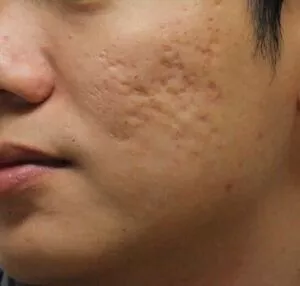

Causes of Acne Scars and Blemishes
Acne scars and blemishes are permanent marks left on the skin as a result of the inflammatory processes of acne. When acne bursts, it damages the tissues under the skin, which leads to scars. These marks usually appear as red, brown or purple spots that occur as a result of damage to the upper layer of the skin. Deep inflammations or acne that is treated by squeezing can lead to more permanent scars.
Ways to Remove Acne Stains
The disappearance of acne stains depends on the treatment method used and the type of stain. Red and brown stains can usually heal over time, but professional treatment is required for deeper scars. Dermatological methods such as chemical peeling, laser treatments, and dermapen are often used in the treatment of acne scars. Home care products can also help fade the stains, but they may be ineffective on deep scars.
Lightening Acne Stains with Chemical Peeling
Chemical peeling peels off the upper layer of the skin, allowing new and healthy skin tissue to emerge in the lower layer. This method is an effective treatment option for even skin tone and reducing the appearance of blemishes. Chemical peeling removes dead skin cells and allows a renewed skin layer to emerge, thus helping blemishes fade over time.
Laser Treatment to Remove Deep Acne Scars
Laser treatments are one of the most effective methods for removing acne scars. Lasers affect the lower layers of the skin and increase collagen production, which helps scars heal faster. Technologies such as fractional laser and CO2 laser provide effective results in the treatment of deep scars. Laser treatment is especially suitable for deep scars such as pits and keloids.
Dermapen Skin Rejuvenation and Scar Reduction
Dermapen accelerates skin renewal by sending stimulations to the lower layers of the skin with micro needles. This method increases collagen production in the skin, allowing acne scars to heal faster. Dermapen is an effective option especially in the treatment of deep pit scars and eliminates roughness and color inequalities in the skin.
Home Application Methods
There are also some natural methods to treat acne scars at home. For example, aloe vera gel can help the skin heal faster by soothing inflammation. In addition, serums and creams containing vitamin C help even out skin tone and lighten blemishes. Tea tree oil supports skin healing with its antibacterial properties in addition to treating acne scars. However, these natural methods are generally effective for lighter scars.
Patience in Treating Acne Scars
It may take time for acne scars to completely disappear. It is important to be patient during the treatment process, because the skin renewal process may not occur quickly. It may take a few weeks or even a few months for the scars to fade or disappear completely after starting treatment. The best results can be achieved with regular treatment and care during this process.
Getting Expert Support in Acne Scar Treatment
It is important to get professional support from a dermatologist to choose the right method for treating acne scars. An expert dermatologist evaluates your skin type and creates the most appropriate treatment plan for you. You can evaluate various treatment options for acne scars at dermatology clinics in Ankara or in your area.
 Call
Call
 Whatsapp