


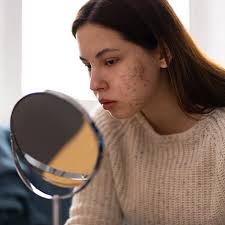

Why Do Acne Scars Form on the Cheek?
Acne occurs as a result of the blockage and inflammation of the skin's pores. During this process, acne can be more common, especially in the T-zone of the face (forehead, nose, chin). However, sometimes this inflammation can leave a mark. Acne scars on the cheeks can usually cause deepened red spots, pits or brown-toned pigmentation. These marks on the skin become more visible when the healing process of the skin is completed or when the acne is squeezed. At the same time, incorrect treatment methods and skin care errors can also contribute to the formation of acne scars.
How Do Acne Scars Go Away?
It is important to determine the right approach to treating acne scars. It may take time to remove these scars, but you can significantly improve their appearance with the right methods. Here are some effective methods you can apply to get rid of acne scars:
1. Chemical Peeling
Chemical peeling is the process of peeling the upper layer of the skin. This process cleanses the dead cells in the skin and triggers the production of new and healthy cells. Chemical peeling can be an effective treatment to lighten the appearance of acne scars. It is used especially to reduce pigment changes (dark spots) on the skin and to smooth the skin surface.
2. Laser Treatment
Laser treatment is a very effective method for treating deep scars on the skin. Laser beams penetrate the lower layers of the skin and help to remove scars and pigmentation. Laser types such as Fraxel laser are commonly used to treat acne scars. This treatment helps to renew the skin surface by increasing collagen production in the skin and reduces the appearance of scars.
3. Skin Lightening and Repair Creams
Skin care products are one of the most common ways to treat acne scars. Creams containing substances such as retinol, vitamin C, and niacinamide (vitamin B3) can help balance pigmentation on the skin and accelerate skin regeneration. Retinol renews skin cells, peels the upper part of the scars and causes the scars to lighten over time. Vitamin C helps even out skin tone, while niacinamide reduces redness and inflammation.
4. Microdermabrasion
Microdermabrasion is a process that gently removes dead skin cells from the surface of the skin. This method can help to remove small scars and blemishes. It also helps to restructure skin tissue, thus reducing the appearance of acne scars. Microdermabrasion is often used as a gentler method than laser treatments.
5. Natural Remedies and Homemade Masks
Some natural ingredients can help to lighten the appearance of scars. For example, ingredients like honey, oatmeal, or aloe vera can help to soothe and heal the skin. These ingredients reduce redness and inflammation, while also helping to smooth out skin texture. However, natural methods can often be slower to work and may not work for all skin types.
6. Regular Skin Care and Sun Protection
Although acne scars can be treated, exposure to sunlight can cause these scars to become more permanent. It is very important to use sunscreen when treating acne scars. Using a cleanser, moisturizer and sunscreen product that is suitable for your skin every day can speed up the treatment process and make the scars disappear faster.
In Conclusion
Patience is required for acne scars on the cheeks to disappear. With the right treatment methods and skin care, the appearance of the scars will fade over time. Professional treatment options such as chemical peeling, laser treatment, microdermabrasion can be effective in eliminating acne scars. In addition, skin care products and natural masks that you can use at home can also support this process. However, it is important to consult a dermatologist before starting treatment to determine the most appropriate treatment method.
 Call
Call
 Whatsapp