


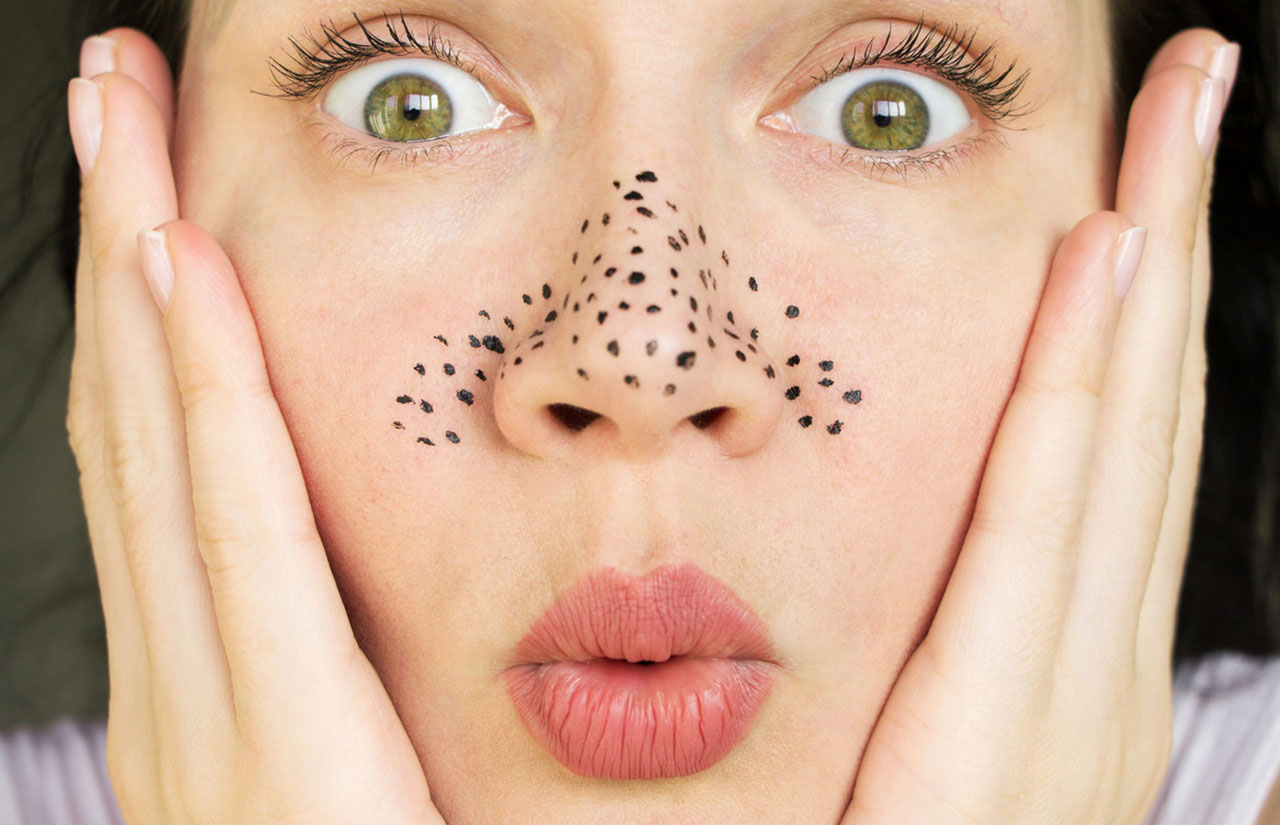

Blackheads are defined as small, black or dark colored spots on the surface of the skin that are formed as a result of pore blockage. They are usually seen on the nose, forehead, chin and cheeks. Blackheads are actually the visible parts of clogged pores, which are made up of oxidized oil and dirt.
Although blackheads are part of the skin's natural oiling process, they can become more visible in some people. Age, gender, skin type and genetic factors can affect the formation of blackheads. For example, people in adolescence may experience more blackhead problems due to hormonal changes.
Why Blackheads Form
Blackheads usually occur due to excessive oil, clogged pores and dirt. Some of the main causes are:
Excessive Oil: Overproduction of oil glands clogs pores, causing blackheads to form.
Clogged Pore: Dead skin cells, makeup residue and dirt clog pores, causing blackheads to form.
Bacterial Infection: Bacteria accumulated in pores can cause inflammation and blackheads to form.
Hormonal Changes: Hormonal changes, especially seen during puberty, contribute to the formation of blackheads by causing the sebaceous glands to work excessively.
Genetic Factors: Some people tend to develop blackheads more easily due to their skin structure.
The Effects of Blackheads
Although blackheads are generally seen as a cosmetic problem, in some cases they can lead to more serious effects:
Aesthetic Appearance: Blackheads can negatively affect a person's self-confidence by causing the skin to look rough and uneven.
Risk of Infection: Clogged pores can pave the way for bacterial infections and acne formation.
Permanent Stains: If blackheads are cleaned incorrectly, permanent stains can form on the skin.
Skin Damage: Intensely squeezing blackheads can lead to enlarged pores and skin damage.
Things You Can Do to Prevent Blackheads
You can follow the steps below to prevent the formation of blackheads and reduce existing ones:
Regular Skin Care: It is important to cleanse the face daily, use products that prevent excessive oiliness, and keep the pores open.
Correct Cleaning Techniques: Instead of squeezing blackheads, applications such as steam application, peeling and mask should be preferred.
Eating Habits: A healthy and balanced diet can help prevent the formation of blackheads.
Stress Management: Stress can trigger the formation of blackheads by causing the sebaceous glands to work excessively. Stress coping methods should be applied.
Sun Protection: Sun rays can contribute to the formation of blackheads by irritating the skin. Sunscreen products should be used.
Professional Treatments Used in Blackhead Removal
In addition to home treatments, professional treatment methods can also be effective in removing blackheads:
Chemical Peeling: Peeling applications containing chemical substances such as glycolic acid and salicylic acid can clean dead skin cells and clogged pores.
Laser Treatment: There are laser treatments that open pores and eliminate blackheads using high energy rays.
Extraction: The extraction process applied by professional skin care experts can safely remove blackheads.
Ultrasound Treatment: Using ultrasound waves, pores can be opened and blackheads can be cleaned.
Radio Frequency Treatment: It is a method that uses heat energy to narrow pores and eliminate blackheads.
Make an appointment now to learn the most effective ways to remove blackheads and leave your skin in professional hands. Take a step for healthy and smooth skin!
Blackheads can negatively affect a person's self-confidence by disrupting the healthy appearance of the skin. However, with the right care and professional treatments, it is possible to overcome this problem. You can try to apply the steps suggested above to prevent blackheads and remove existing ones. Regular skin care, correct cleaning techniques and professional help will help you make your skin healthy and smooth.
 Call
Call
 Whatsapp