


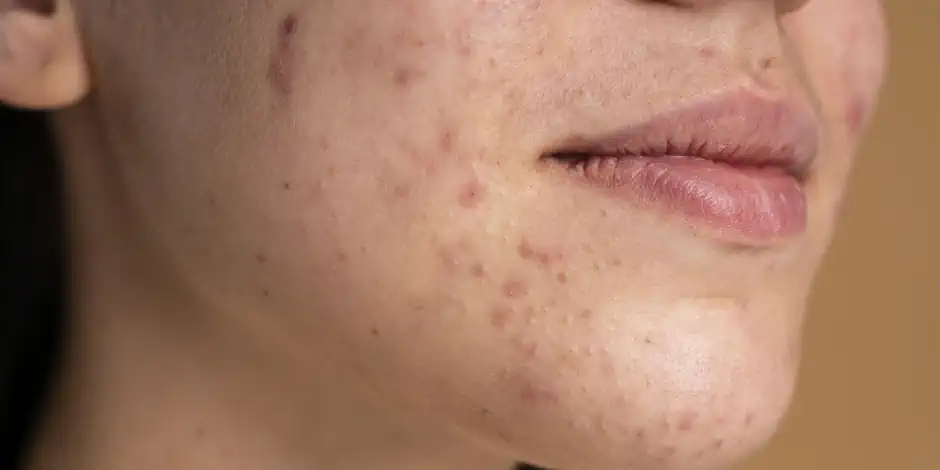

How to Get Rid of Body Acne?
Body acne is a skin problem that is usually seen in areas such as the back, chest, shoulders and hips, apart from the face. It can occur especially due to reasons such as sweating, hormonal changes and wrong product usage.
Why Do Body Acne Occur?
More than one factor can be effective in the formation of body acne. It usually occurs as a result of excess oil production by the skin, clogging of pores and proliferation of bacteria. Here are the common reasons:
Hormonal Changes: Puberty, menstruation, pregnancy or hormonal imbalances can increase body acne.
Sweating: Exercising or sweating in hot weather can cause pores to become blocked and cause acne.
Wrong Product Usage: Perfumed or oily products can trigger acne by clogging pores.
Tight Clothing: Tight clothing, especially made of synthetic fabrics, can prevent the skin from breathing and cause acne.
Genetic Factors: People with a family history of acne may be more prone to body acne.
Eating Habits: Sugary and processed foods can cause acne in some people.
Lack of Hygiene: Especially not taking a shower after doing sports or not cleaning the skin enough can increase the risk of acne.
How to Get Rid of Body Acne?
In order to get rid of body acne, it is necessary to apply the right skin care and change some lifestyle habits. Here are effective methods:
Pay Attention to Skin Cleansing:
Cleaning your body regularly every day is one of the most effective ways to prevent acne formation. Be sure to take a shower, especially after sweating or doing sports.
Using Salicylic Acid and Benzoyl Peroxide:
These substances control excess oil on the skin, clean the pores and eliminate bacteria. Suitable body wash gels can be preferred especially for acne on the back and chest area.
Exfoliate:
Remove dead skin cells by applying exfoliation 1-2 times a week. This process can prevent pores from clogging and reduce acne formation. However, it is important not to overdo it, as excessive exfoliation can irritate the skin.
Use the Right Moisturizer:
Moisturizing your skin can help heal acne. However, avoid oily and comedogenic (pore-clogging) products. Water-based, light moisturizers can be preferred.
Prefer Cotton Clothing:
Wearing cotton, breathable clothing instead of tight and synthetic clothing allows the skin to breathe and reduces acne formation.
Eat a Balanced Diet:
Avoid sugary, processed and oily foods. A diet rich in vegetables, fruits, whole grains and protein supports skin health.
Drink Plenty of Water:
Consuming enough water daily maintains the skin's moisture balance and helps flush toxins from the body.
Treatment with Natural Methods
Some natural methods can be effective in alleviating acne on the body. However, it is important to test whether your skin is allergic to these substances before using these methods.
Tea Tree Oil: It can help dry out acne thanks to its antibacterial properties. It can be applied to the acne area with a clean cotton pad.
Aloe Vera: Soothes the skin, relieves redness and inflammation. Strengthens the skin barrier thanks to its moisturizing effect.
Apple Cider Vinegar: It can cleanse the skin with its antibacterial and antifungal properties. However, it should be used diluted.
Tips to Prevent Acne on the Body
Preventing acne on the body is easier than treating it. You can prevent this problem by paying attention to the following suggestions:
Do Not Neglect Taking a Shower: Be sure to take a shower after doing sports or sweating.
Use Sunscreen: Use non-comedogenic sunscreens that will not cause acne, especially on the back and chest area.
Do Not Irritate Your Skin: Squeezing or scratching acne can damage your skin and leave scars.
Pay Attention to Hygiene Rules: Change your pillowcases and clothes regularly.
When Should You See a Doctor?
If your acne is constantly recurring, painful and inflamed, it is important to see your dermatologist. Your doctor can recommend treatment methods suitable for your skin:
Topical Treatments: Antibiotic creams, retinoids or products containing benzoyl peroxide.
Oral Treatments: Antibiotics or hormonal balancing drugs.
Chemical Peeling or Laser Treatment: May help reduce acne by accelerating skin renewal.
Conclusion
Body acne can be largely controlled with proper skin care, appropriate product use and healthy lifestyle habits. If your acne does not go away or worsens, it is important to consult your dermatologist to determine the appropriate treatment methods.
 Call
Call
 Whatsapp