



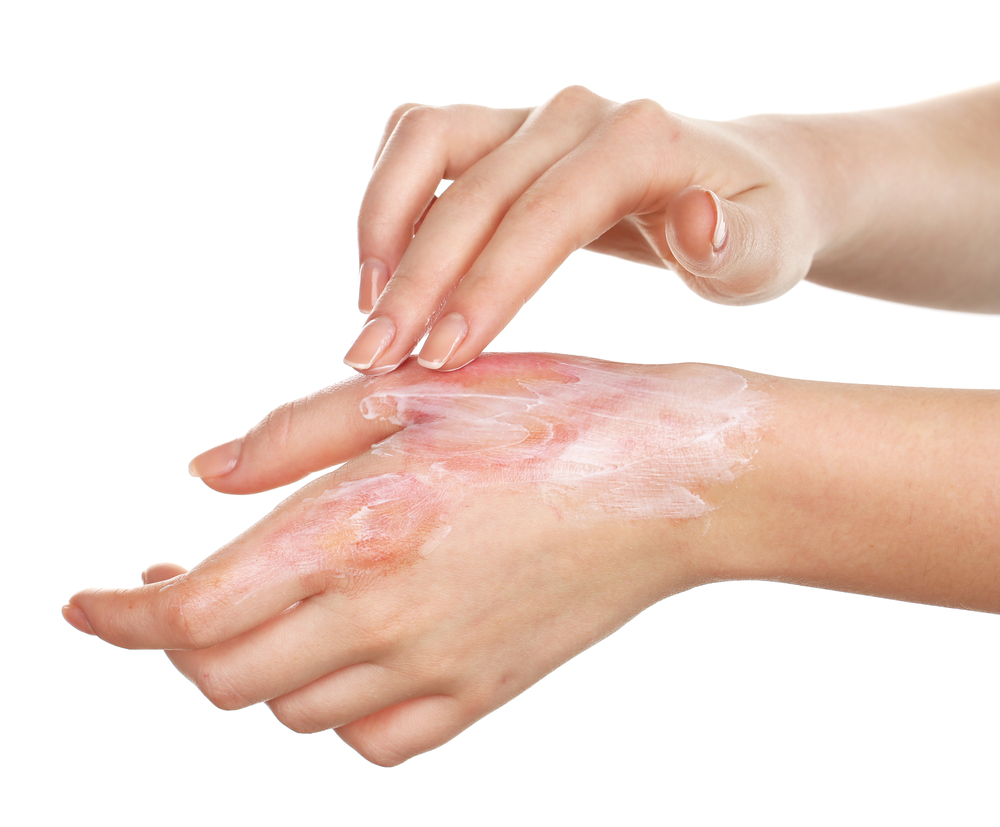
In order to understand how to heal burn scars, it is important to first know how these scars form and how they heal. Burns occur as a result of contact with high temperatures or chemicals that damage the deep layers of the skin. After a burn, the skin enters the healing process and burn scars form in this process.
Burn scars are characterized by the formation of new tissue under the skin. This tissue has a different structure than normal skin tissue and is often darker in color or has a raised appearance. The type and severity of burn scars vary depending on the depth and size of the burn.
Healing Process of Burn Scars
The healing process of burn scars takes time and may differ for each individual. The healing process usually consists of the following stages:
1. Inflammation Stage: After the burn, symptoms such as redness, swelling and pain are observed on the skin. During this stage, the body sends white blood cells to the burn area to start the healing process.
2. Wound Formation Phase: After the inflammation phase, scar tissue begins to form. At this stage, symptoms such as crusting and hardening of the skin may be observed. Scar tissue forms a basic structure for the formation of new skin.
3. Wound Healing Phase: Scar tissue thins and heals over time. At this stage, redness and swelling on the skin decreases. However, burn scars are often permanent and may need additional treatments.
Non-Surgical Methods to Reduce Burn Scars
There are many non-surgical methods to reduce burn scars. These may include:
1. Regular Massage: Regular massage can be beneficial to reduce burn marks. Massage helps the skin become softer and more flexible and increases blood circulation. This can speed up the skin's healing process and reduce the appearance of burn scars.
2. Use of Moisturizer: Burn scars may be dry because the skin loses its moisture balance. Therefore, it is important to moisturize burn scars. Moisturizing creams or lotions can help maintain the skin's moisture level and help make burn marks less noticeable.
3. Sun Protection: The sun's harmful UV rays can cause burn marks to become more visible. Therefore, it is important to protect yourself from the sun to reduce burn scars. Before going out in the sun, it is important to use a broad-spectrum sunscreen and wear clothing that covers the skin.
Natural Solutions for Burn Scars
Natural solutions can also be used to lighten burn scars. Here are some natural solutions:
1. Aloe Vera Gel: Aloe vera gel can help reduce the appearance of burn marks on the skin. Aloe vera moisturizes the skin, reduces inflammation and supports the skin's healing process. Regularly applying aloe vera gel to burn scars can make the skin look softer and smoother.
2. Lemon Juice: Lemon juice can lighten the skin and reduce the appearance of burn marks. Before applying lemon juice to burn scars, it is important to cleanse the skin and rinse it with water. Lemon juice should be used with caution as it can sensitize the skin and should be cleaned from the skin before sun exposure.
3. Honey: Honey is a natural antiseptic that supports the skin's healing process. Applying honey to burn scars can help repair the skin and reduce the appearance of scars. It is important to apply honey to clean skin before applying it directly to burn scars.
Professional Treatments for Burn Scars
Professional treatments can also be used to lighten or completely eliminate burn scars. These treatments include:
1. Laser Treatment: Laser treatment can help reduce the appearance of burn scars. Laser light penetrates under the skin, stimulating collagen production and restructuring the skin. This can help make burn scars less obvious.
2. Chemical Peels: Chemical peels can reduce the appearance of burn scars by peeling off the top layer of skin. This process encourages skin renewal and provides a smoother skin appearance. Chemical peeling should be applied with caution and performed by a specialist dermatologist, as the skin may become sensitive.
3. Microdermabrasion: Microdermabrasion can reduce burn scars by gently exfoliating the top layer of skin. This process increases the skin's collagen production and encourages skin restructuring. Microdermabrasion can be an effective option for reducing the appearance of burn scars.
Preventing and Reducing Future Burn Scars
It is important to take some precautions to prevent and reduce future burn scars. These may include:
1. Avoiding Burns: The best treatment for burns is to avoid burns. It is important to stay away from high temperatures, use chemicals carefully, and follow safety precautions.
2. Good Care of Burn Wounds: Good care of burn wounds can reduce the formation of burn scars. Burn wounds should be kept clean and moist, the risk of infection should be reduced and the doctor should
How to get rid of burn scars
Free Information,
Consultation and Appointment Request
 Call
Call
 Whatsapp