


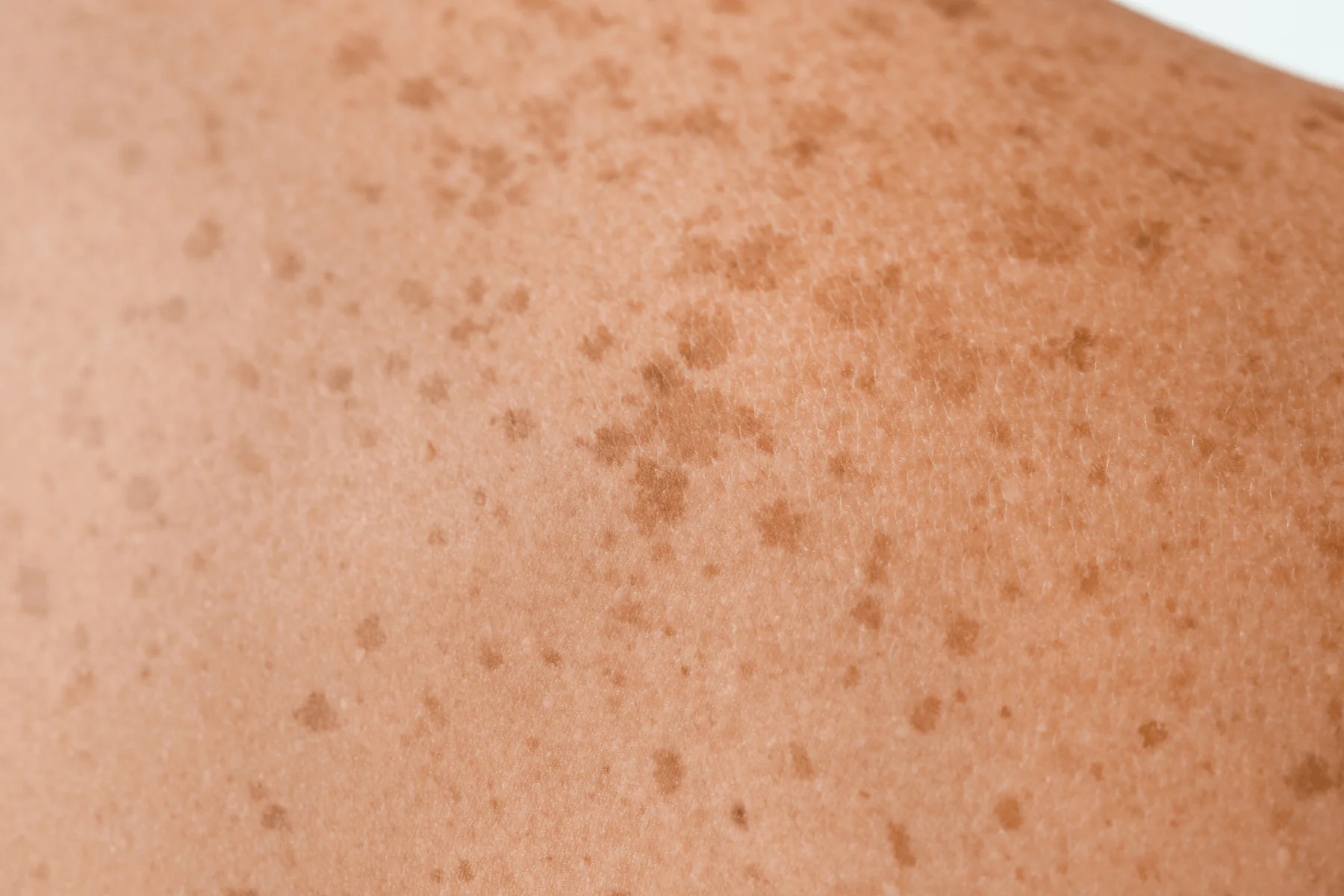

What Are Brown Spots?
Brown spots are generally defined as dark areas that occur as a result of excessive production of pigment cells in the skin. The main cause of these spots is the excessive production of the pigment called melanin in the skin. Excessive exposure to the sun, aging, hormonal changes and genetic factors play a role in the appearance of brown spots.
The Effect of the Sun and Brown Spots
The most common type of brown spots are "sun spots" or "darkening" caused by sunlight. UV rays increase the production of melanin in the skin, causing these spots to become more visible. Prolonged exposure to sunlight can cause permanent spots to form on the skin. Therefore, using a cream with a high SPF (sun protection factor) before going out in the sun helps prevent the formation of brown spots.
The Role of Hormonal Changes
Hormonal changes such as pregnancy, birth control pills or menopause can cause brown spots to appear. The formation of symmetrical brown spots on the face and body, called "melasma", is especially common in women. These types of spots are usually triggered by changes in hormone levels, causing pigment cells in the skin to produce more melanin.
The Effect of Aging
As we age, the rate of skin renewal decreases and melanin accumulation increases. This can lead to the formation of age-related brown spots, or "age spots". These spots can usually be seen on the hands, certain areas of the face, and the body. Since the skin loses its elasticity with aging, these spots become more noticeable over time.
Effective Treatment Methods for Brown Spots
The treatment of brown spots varies depending on the cause of the spot and skin type. However, the following treatment methods can generally be effective:
Chemical Peeling: Chemical peeling allows the dead cells on the skin surface to peel off and helps new, healthy skin cells to form. With this method, the spots become lighter or disappear.
Laser Treatment: Laser treatment goes deep into the spots, reduces melanin production, and targets pigment accumulations in the skin. This method can be quite effective for treating permanent brown spots.
Topical Products: Some topical products used to lighten skin pigmentation can reduce the appearance of spots. Ingredients such as vitamin C, retinoids, and hydroquinone can help lighten brown spots.
Natural Home Remedies
Some natural methods can help lighten the appearance of brown spots. Lemon juice is a natural bleaching agent and can help lighten the color of spots. In addition, aloe vera soothes the skin and helps with healing. However, the effects of these natural methods may vary from person to person, and it would be beneficial to seek treatment with expert advice for better long-term results.
Regularity is Important in Skin Care
The key to getting rid of brown spots depends on regular skin care. Using sunscreen is a basic step in maintaining skin health. In addition, it is necessary to be patient in treating spots on the skin. The treatment process may take time, but with regular care and the right treatment, spots can be significantly reduced.
Nutrition and Water Consumption for Skin Health
A healthy diet and adequate water consumption are also important to help get rid of brown spots. Foods containing vitamins A, C and E can accelerate skin renewal. In addition, drinking plenty of water maintains the skin's moisture balance and prevents the formation of spots.
Expert Help for Skin Spots
Brown spots, although usually harmless, can be aesthetically disturbing. If spots continue to grow or other changes occur on the skin, it is important to seek professional help from a dermatologist. A specialist dermatologist can evaluate your skin type and recommend the most appropriate treatment method.
 Call
Call
 Whatsapp