



How to Get Rid of Cystic Acne?
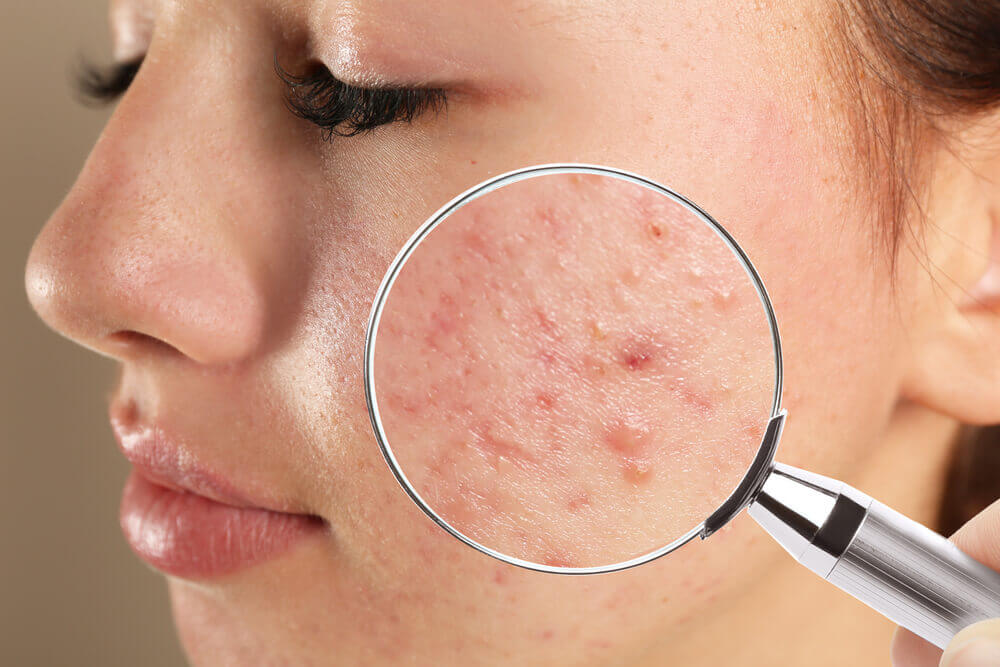
Cystic acne is one of the most severe and painful types of acne on the skin. It usually occurs in the deep tissues under the skin surface and appears as hard, large, inflamed swellings. It can be both aesthetically disturbing and painful.
What is Cystic Acne?
Cystic acne is a deep, inflamed lesion that occurs as a result of the pores under the skin becoming blocked and infected. It can usually be seen on the face, back, shoulders, chest and even buttocks. Unlike other acne, cystic acne occurs in the deeper layers of the skin and therefore can be more difficult to treat.
Symptoms:
Large, red, painful swellings.
Lumps that feel hard and tender to the touch.
Sometimes filled with pus, but usually remain under the skin.
It can take a long time to heal and has a high risk of scarring.
Why Does Cystic Acne Occur?
Cystic acne can occur for various reasons. Hormonal imbalances or genetic predisposition are usually the most common causes.
Hormonal Imbalances:
Changes in hormone levels, especially during puberty, menstruation, pregnancy, and polycystic ovary syndrome (PCOS), can cause the skin to produce more oil.
Genetic Predisposition:
People with a family history of severe acne are more likely to develop cystic acne.
Stress:
Stress can increase the body's cortisol levels, increasing oil production in the skin. This can trigger cystic acne.
Incorrect Product Use:
Oily and comedogenic (pore-clogging) skin care products or makeup can prevent the skin from breathing, leading to acne.
Drug Use:
Some medications, especially corticosteroids and birth control pills, can cause cystic acne.
Nutrition:
Sugary, processed foods, and dairy products can trigger cystic acne in some people.
How to Get Rid of Cystic Acne?
Treatment of cystic acne can often be difficult and long-term. However, successful results can be achieved when the right methods are applied. Here are effective treatment methods:
Topical Treatments:
Since cystic acne usually occurs deep down, superficial creams alone may not be sufficient. However, some topical treatments can help reduce inflammation.
Retinoids: Accelerates the renewal of skin cells and prevents pores from clogging.
Benzoyl Peroxide: Reduces bacteria on the skin thanks to its antibacterial properties.
Antibiotic Creams: Can help reduce infection.
Oral Treatments:
Oral medications that a doctor can prescribe may be more effective in the treatment of cystic acne.
Antibiotics: Used especially to reduce inflammatory acne. However, long-term use is not recommended.
Hormone Regulating Drugs: It is especially effective in acne due to hormonal imbalances in women. Birth control pills can be prescribed for this purpose.
Isotretinoin (Roaccutane, Zoretanin): It is one of the most effective treatment methods for serious and stubborn cystic acne. It causes the sebaceous glands to shrink and reduces sebum production. However, due to its side effects, it should only be used under the supervision of a doctor.
Cortisone Injections:
Especially for large and painful pimples, a cortisone injection directly into the pimple by a dermatologist can quickly reduce inflammation and help shrink the pimple.
Chemical Peeling:
Peels containing salicylic acid or glycolic acid cleanse the dead cells on the skin and open the pores. This treatment method is usually applied together with other treatments.
Laser Treatment and Microneedling:
It can help renew skin texture and reduce pimples. It is an effective method especially for cystic pimples that have left scars.
What Should Be Done to Prevent Cystic Pimples?
Pay Attention to Skin Cleansing:
Wash your face twice a day with a gentle cleanser suitable for your skin.
Use the Right Products:
Prefer non-comedogenic, oil-free and water-based products.
Cleanse Makeup Completely:
Make-up residues left on the skin can clog pores.
Eat a Balanced Diet:
Avoid sugary and processed foods. Follow a diet rich in vegetables, fruits and whole grains.
Try to Manage Stress:
Keep your stress level under control with activities such as yoga, meditation or exercise.
When to See a Doctor?
Cystic acne often cannot be cured with home remedies. You should definitely see a dermatologist, especially in the following cases:
If the acne is painful, inflamed and large.
If the treatment methods you apply at home are not effective.
If the acne leaves scars.
If the acne constantly recurs.
Conclusion
Cystic acne can be cured with the right treatment methods. However, this process can be long and requires patience. If you have a cystic acne problem, the best step would be to see your dermatologist and learn the most appropriate treatment methods for your skin.
 Call
Call
 Whatsapp