


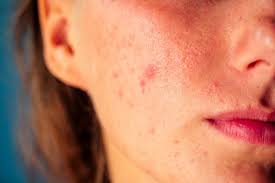

How to Get Rid of Deep Acne Scars?
Deep scars left after acne is treated can cause permanent discomfort on the skin. Deep acne scars are formed due to the loss of tissues in the lower layers of the skin and usually occur after severe acne. Such scars can cause aesthetic problems and negatively affect a person's self-confidence. However, with the right treatment methods, the appearance of deep acne scars can be significantly improved. Here are effective treatment methods to eliminate deep acne scars.
Causes of Deep Acne Scar Formation
Deep acne scars are usually formed when inflammation reaches the lower layers of the skin. Acne occurs as a result of inflammation of the oil glands in the skin. During this process, damage occurs on the skin surface and the tissues in the skin cannot be fully repaired during healing. Deep scars usually become more visible as a result of incorrect practices such as squeezing acne or allowing infections in the skin to pass without treatment. In addition, genetic predisposition is also an effective factor in the formation of these scars.
Deep Acne Scar Treatment Methods
Laser Treatment
Laser treatment is one of the most effective methods in the treatment of deep acne scars. Laser types such as fractional laser and CO2 laser penetrate the lower layers of the skin and stimulate new collagen production. This treatment lightens the appearance of scars and smoothes the skin surface. Laser beams work effectively according to the depth of the scars, making the skin look healthier and smoother over time. Laser treatment may require several sessions, but the results are quite satisfactory.
Microneedling (Dermaroller)
Microneedling increases collagen production in the skin by opening micro channels with small needles in the skin. This method is quite effective in the treatment of deep acne scars. The microneedling process performed with devices called Dermaroller renews the skin surface and helps the scars become smoother. This treatment is usually done in several sessions and the results may vary depending on the depth of the scars.
Chemical Peeling
Chemical peeling provides skin renewal by peeling off dead cells on the skin surface. This process, which is performed with chemical solutions, cleans the upper layer of deep scars and smoothes the skin surface. Although chemical peeling is generally effective for superficial scars, stronger formulations can be used for deep scars. Chemical peeling, performed by a dermatologist, reduces the appearance of scars by accelerating the skin's natural healing process.
PRP Treatment (Platelet Rich Plasma)
PRP treatment is the process of injecting plasma containing growth factors obtained from the person's own blood under the skin. PRP treatment accelerates the skin's natural healing processes and improves the appearance of scars by increasing collagen production. This treatment, which is quite effective for deep scars, can yield results in a few sessions and helps achieve a healthier appearance on the skin.
Filling Applications
For deep scars, the surface of the scars can be smoothed by injecting fillers under the skin. These fillers are injected into the scars and provide smoothing of the skin. Filling applications usually provide temporary results, but long-term effects can be achieved depending on the depth of the scars. This treatment can be combined with other methods such as laser treatment or microneedling.
Home Care and Things to Consider
In addition to professional applications in the treatment of deep acne scars, some home care methods are also very important. Skin cleansing, moisturizing and sunscreen use support the treatment process. Keeping the skin moist accelerates the healing process and prevents scars from becoming more visible. Exposure to the sun can cause scars to darken, so it is important to use high factor sunscreen daily.
In Conclusion
Deep acne scars can be significantly improved with effective treatment methods. Methods such as laser treatment, microneedling, chemical peeling and PRP treatment can lighten the appearance of scars and make the skin surface smoother. Each of these treatment methods can be adapted to different skin types and the depth of the scars. In order to get the best results, it is important to consult a dermatologist and determine the most suitable treatment plan for you. It is possible to improve the appearance of deep acne scars with a patient and regular treatment process.
 Call
Call
 Whatsapp