


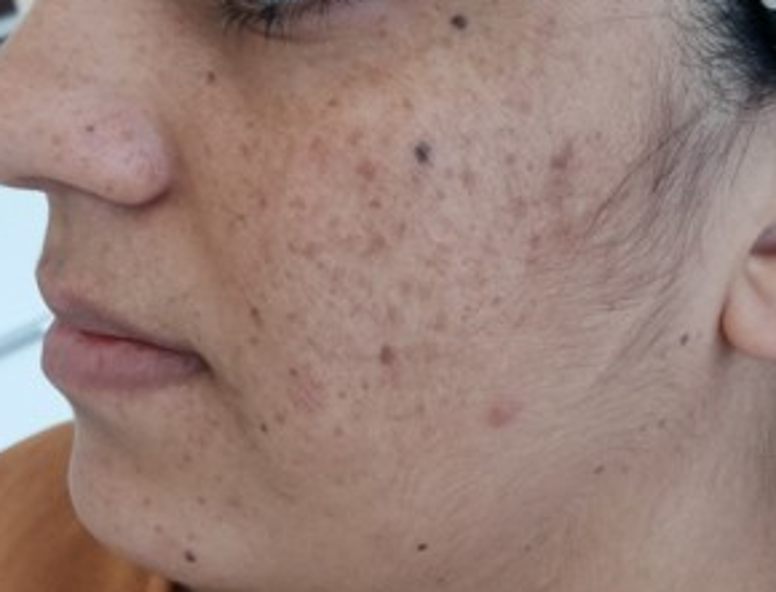

Why Do Spots on the Face Form?
Spots on the face are caused by pigment changes in the skin. They usually occur as a result of excess or deficiency of the pigment called melanin. Melanin is the substance that gives our skin its color, and its excessive production manifests itself in the form of brown or black spots. Many factors play a role in the formation of spots, but the most common causes include sun exposure, hormonal changes, aging, and genetic factors. Spots can also form during the healing process after acne, wounds, and inflammations.
Sun Rays and Skin Spots
Skin exposure to the sun increases melanin production. Excessive exposure to sunlight causes stimulation of pigment cells (melanocytes) in the skin. This can manifest itself as age spots, brown spots, and sun spots, especially on the face. Long-term sun exposure can cause spots on the skin to become permanent. Therefore, using sunscreen regularly is the most important step in preventing the formation of spots.
Hormonal Changes and Spots
Hormonal changes can affect pigment production in the skin. In particular, pregnancy, birth control pill use and menopause can increase melanin production in the skin and cause spots to form. Such spots are generally known as "melasma" and are usually seen in areas such as the forehead, cheeks and upper lip. Appropriate treatment methods can be used with the advice of a doctor to regulate hormonal balance.
Skin Care and Spots
Lack of skin care can also trigger the formation of facial spots. The accumulation of dead cells on the face can cause skin tone differences to become apparent. Regular skin care can prevent the formation of spots. Skin cleansing, moisturizing and masks accelerate skin renewal and can help spots become less visible. In addition, substances such as AHA (alphahydroxy acid) and BHA (beta hydroxy acid) found in skin care products can help reduce spots by peeling the upper layer of the skin.
Treatment Methods for Facial Spots
There are several effective methods for the treatment of facial spots. These may vary depending on the type of spots and skin type. Here are some common treatment methods:
Laser Treatment
Laser treatment targets pigments in the skin and reduces the appearance of spots. Different types of lasers are used for different skin problems. Laser treatment destroys pigment cells under the skin and renews the skin. This treatment can be very effective, especially for deep spots.
Chemical Peeling
Chemical peeling removes dead cells on the skin surface and renews them. This process removes the upper layer of spots, making the skin look cleaner and smoother. Chemical peeling is very effective for superficial spots.
Whitening Creams
Whitening creams can be preferred especially for light spots. Creams containing substances such as hydroquinone, vitamin C or arbutin reduce melanin production and lighten the color of spots. However, these creams require regular use and can sometimes cause irritation to the skin.
Microdermabrasion
Microdermabrasion is a technique that gently exfoliates the skin surface. This process can help lighten spots while making the skin look fresher and more vibrant.
Reducing Blemishes on the Face with Natural Methods
Natural methods can be used to lighten the appearance of facial blemishes. However, the effect of these methods can take time and can sometimes be limited. Here are some natural solutions:
Lemon Juice: Lemon is a natural bleach and can help lighten dark spots on the skin. However, lemon juice can increase skin sensitivity, so lemon water should not be used before sun exposure.
Aloe Vera: Aloe vera is known for its soothing properties and can help lighten the appearance of skin blemishes. It also provides moisture balance to the skin.
Yogurt Mask: Yogurt nourishes and moisturizes the skin. The lactic acid in it can help remove dead skin cells and help reduce blemishes.
Reducing Blemishes with Lifestyle Changes
Some lifestyle changes are also important to reduce the appearance of blemishes on the face. Regular sleep, healthy diet and drinking plenty of water support the overall health of the skin and can lighten the appearance of blemishes. In addition, avoiding smoking and excessive alcohol consumption makes the skin look younger and healthier.
In Conclusion
Blemishes on the face are usually harmless, but they can cause aesthetic concerns. Reducing sun exposure, regular skin care, and using appropriate treatment methods are effective steps to lighten the appearance of these spots. Depending on the type and severity of your spots, you can choose the most appropriate treatment method by getting help from a dermatologist. Remember, healthy skin is supported not only from the outside, but also from the inside.
 Call
Call
 Whatsapp