


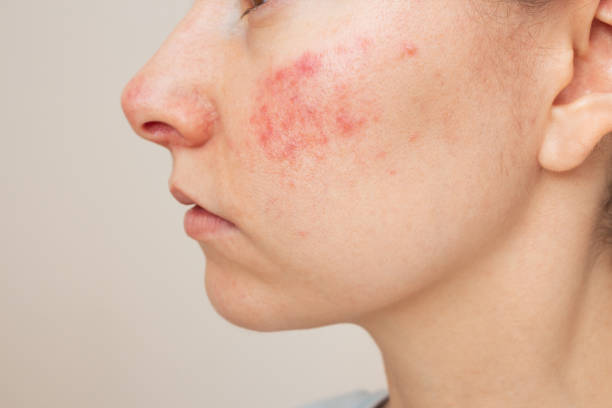

What Causes Facial Irritation?
Facial irritation occurs as a reaction of the skin to external factors. This usually occurs due to excessively dry air, improper skin care, allergic reactions, skin diseases or the use of harsh cosmetic products. Irritation can manifest itself as redness, itching, burning sensation or small pimple-like blisters on the skin. The disruption of the skin barrier is the most common cause of irritation, which makes the skin vulnerable to external factors.
Effects of Irritation on the Skin
Facial irritation causes the protective layer on the skin surface to be damaged. This can cause the skin to lose its moisture balance and cause symptoms such as redness, dryness and flaking. Irritant skin becomes more sensitive and more susceptible to various external factors. At the same time, irritated skin can get infected more easily, so it is important to treat it.
What to Do to Prevent Irritation on the Face
There are some basic steps you should pay attention to in your skin care routine to prevent irritation:
Gentle Cleansing: Wash your face twice a day with a gentle cleanser suitable for your skin type. Harsh soaps and chemical ingredients can disrupt the natural balance of the skin.
Using Moisturizer: Use a suitable moisturizer to maintain the moisture balance of the skin. Irritation can occur more easily when the skin is dry, so using a moisturizer protects the skin.
Sunscreen: One of the most important factors that increases skin irritation is sun exposure. It is very important to use a high factor sunscreen every day to protect your skin.
Be Careful with Skin Products: Check the ingredients of skin care products. Products containing harsh chemicals such as alcohol and paraben can cause skin irritation.
Natural Methods to Relieve Irritation on the Face
Natural methods are very effective in relieving skin irritation and helping the skin relax:
Aloe Vera: Aloe vera soothes skin irritation, reduces redness and accelerates the healing process. Fresh aloe vera gel can be applied directly to the skin.
Garlic and Honey Mixture: While garlic has anti-inflammatory properties, honey moisturizes and soothes the skin. Applying the two ingredients together on the skin can reduce irritation.
Cold Compress: Applying a cold compress to the irritated area can reduce pain and redness. The cold slows down blood flow to the skin and prevents inflammation.
Chemical Treatments and Doctor's Advice
If facial irritation is very severe or does not go away with natural home remedies, it is important to seek the advice of a dermatologist. Dermatologists can offer various treatment options to relieve irritation. For example, cortisone creams or anti-inflammatory medications can be used to reduce irritation. However, such medications should only be used with a doctor's advice.
Advanced Treatment for Facial Irritation
In some cases, facial irritation can be a symptom of skin conditions. For example, skin conditions such as eczema or rosacea can also cause irritation in the facial area. Professional treatment may be required for such conditions. Dermatologists can recommend specific treatments and prescriptions for skin conditions.
General Tips for Irritant Skin
Use lukewarm water instead of hot water: Avoid washing your face with hot water to avoid damaging your skin. Warm water puts less pressure on the skin barrier.
Change skin care products slowly: Make sure your skin does not react before using a new product. Avoid using more than one product at a time.
Avoid stress: Stress can increase skin irritation. Regular exercise, meditation and adequate sleep can speed up skin healing.
In Conclusion
Proper skin care is very important to relieve facial irritation. Gentle cleansing, moisturizing and natural treatment methods can alleviate skin irritation. However, the treatment process can take a long time and skin always requires patience. When the appropriate steps are taken for your skin to heal, you can achieve a healthier and more comfortable skin appearance.
 Call
Call
 Whatsapp