


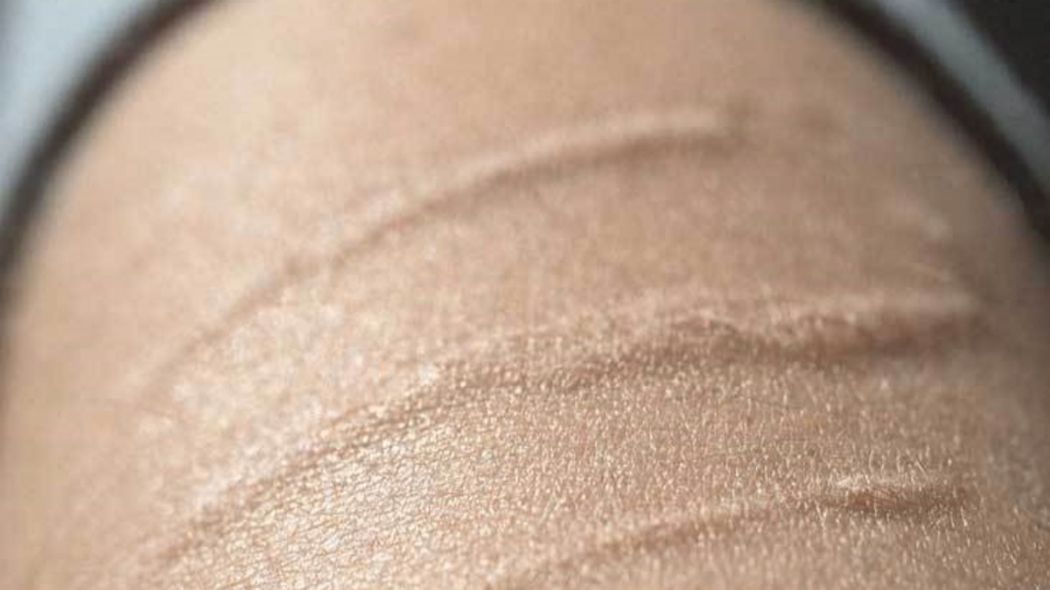

First, it is important to understand how scars form. As a wound heals, new tissue forms in the skin. During the healing process, the body produces a protein called collagen. Collagen helps close the wound and form new tissue. However, collagen production can sometimes be unbalanced and over or under produced. In this case, scars may occur.
The appearance of scars depends on many factors. These include the size of the wound, its depth, location of the wound, the person's genetic predisposition and skin type. Some people may be prone to scarring more easily, while others may be less prone to scarring.
Factors affecting wound healing
There are many factors that affect wound healing. First of all, it is important that the wound remains clean and infection-free. Properly cleaning the wound and covering it with a sterile bandage reduces the risk of infection and speeds up the healing process.
Nutrition can also have a big impact on wound healing. Adequate intake of protein, vitamins and minerals ensures that the body receives the nutrients necessary for wound healing. Especially nutrients such as vitamin C, zinc and iron support collagen production and accelerate the healing process.
Stress can negatively affect wound healing. Stress can cause inflammation in the body and weaken the immune system. This can slow down the healing process. You can try yoga, meditation, or another relaxation technique to reduce stress.
Natural solutions to reduce scars
There are many natural solutions to reduce scars. First, Aloe Vera gel is known to be effective in reducing the appearance of scars. Aloe Vera gel reduces skin inflammation, maintains skin moisture balance and increases collagen production in the skin.
Another natural solution is rosemary oil. Rosemary oil promotes skin regeneration and reduces the appearance of scars. You can massage rosemary oil into the skin by mixing it with a carrier oil.
Lemon juice may also be effective in reducing scars. Lemon juice lightens dark spots on the skin and promotes skin regeneration. However, lemon juice can sensitize skin, so it's important to test your skin before use.
Over-the-counter scar treatments
If you don't get results from natural solutions, you can try over-the-counter scar treatments. These treatments include creams, ointments, and lotions used to reduce the appearance of scars and stimulate skin regeneration.
Silicone-based treatments are the most commonly used over-the-counter scar treatments. Silicone maintains the skin's moisture balance and increases collagen production. This reduces the appearance of scars.
Retinoids are another option for scar treatment. Retinoids stimulate the regeneration of skin cells and make the skin look younger and smoother. However, it should be noted that retinoids can sensitize the skin.
Medical procedures to remove scarring
If you want to quickly reduce the appearance of scars, medical procedures may be right for you. These procedures include surgery or laser treatments used to remove scars or make them less noticeable.
Laser treatment targets the top layer of skin and reduces the appearance of scars. Laser treatment usually requires several sessions and the recovery process can take several weeks.
Surgical procedures may also be used to remove scars. Procedures such as dermabrasion and dermaroller reduce the appearance of scars by scraping and reshaping the top layer of skin.
Lifestyle changes to promote wound healing
Finally, there are some lifestyle changes you can make to promote wound healing. First of all, it is important to adopt a healthy diet. Adequate intake of protein, vitamins and minerals ensures that the body receives the nutrients necessary for the healing process.
Regular exercise also supports wound healing. Exercise strengthens the body's immune system and increases blood circulation. This accelerates wound healing.
Avoiding stress and maintaining a good sleep pattern also support the healing process. Stress can cause inflammation in the body and slow healing. A good sleep pattern provides the energy the body needs for recovery.
 Call
Call
 Whatsapp