



What is Epilation?
Epilation is the process of removing unwanted hair from the body. Although this process can be painful, it provides smooth and hairless skin in the long run. Among the epilation methods; tweezers, waxing, laser and IPL (Intense Pulsed Light).
What Causes Blistering After Epilation?
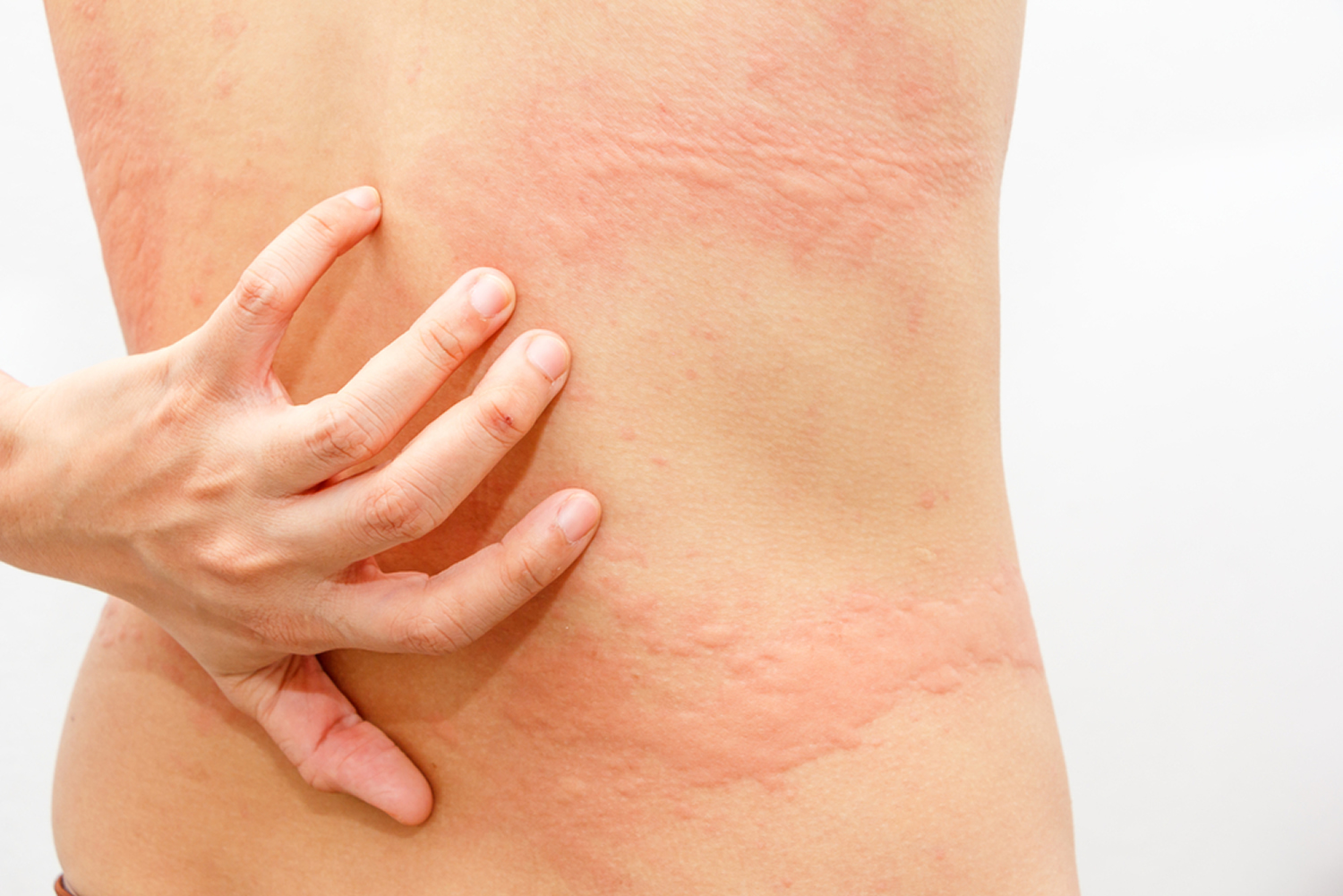
Frizz after epilation mostly occurs during hair regrowth. This condition occurs when the hair roots become irritated and the hair pierces the skin. Additionally, sensitization of the skin, risk of infection and incorrect application are among the causes of blistering.
Symptoms of Blistering After Epilation
Symptoms of frizz after epilation may include:
• Redness
• Inflatable
• Itching
• Angle
• Sensibility
• Hair coming out
These symptoms usually go away within a few days, but in some cases they may last longer.
How to Get Rid of Frizz After Epilation?
You can try the following methods to eliminate swelling after epilation:
1. Cold application: Applying ice or cold water to the area reduces inflammation and helps relieve blistering.
2. Moisturizing: Moisturizing the sensitive area accelerates skin healing and reduces blisters.
3. Antibacterial creams: Using antibacterial creams in accordance with the doctor's recommendation reduces the risk of infection.
4. Massage: Gentle massage movements contribute to the reduction of blisters by increasing circulation.
5. Painkillers: Painkillers taken under the supervision of a doctor can reduce pain and inflammation.
6. Rest: Giving rest to the sensitive area speeds up the healing process.
Treatment of Frizz After Epilation at Home with Natural Methods
It is also possible to treat blisters after epilation with natural methods at home. The following suggestions may be useful:
• Aloe vera gel: Aloe vera gel reduces blisters by moisturizing and healing the skin.
• Green tea: Green tea relieves inflammation and swelling with its antioxidant properties.
• Turmeric: Turmeric reduces blisters with its anti-inflammatory effect.
• Coconut oil: Coconut oil moisturizes and eliminates blisters with its healing properties.
• Ice cubes: Cold applications with ice cubes reduce blistering.
Risks of Blistering After Epilation and Precautions
Blistering after epilation can cause serious problems in some cases. These include infection, foreign body reactions, and permanent pigmentation changes. You can take the following precautions to reduce these risks:
• Pay attention to skin care before and after epilation.
• Have epilation done by an experienced specialist.
• Keep the area clean and dry after epilation.
• Allow the skin to heal.
• Avoid using wax on sensitive areas.
• Consult a doctor if necessary.
If you are experiencing frizz after epilation, you can easily get rid of it by following these tips. However, if you have any concerns, please consult a doctor immediately.
Although blistering after epilation is an uncomfortable situation, it can be resolved in a short time with the right treatment methods. In light of the information in this article, you can make your epilation experiences more comfortable. For a healthy and beautiful skin, pay attention to your post-epilation care.
How to Get Rid of Frizz After Epilation
• What is Epilation?
• What Causes Blistering After Epilation?
• Blistering Symptoms After Epilation
• How to Get Rid of Frizz After Epilation?
• Post-Epilation Frizz Treatment with Natural Methods at Home
• Risks of Blistering After Epilation and Precautions
How to Get Rid of Frizz After Epilation
Free Information,
Consultation and Appointment Request
 Call
Call
 Whatsapp