


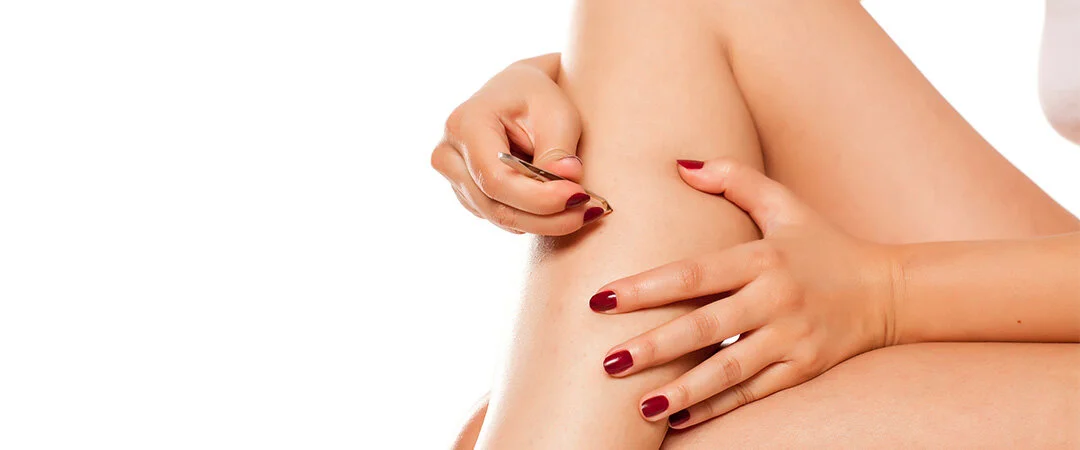

During laser epilation, the rays are directed to the hair roots and thus the hair is cleaned from the root. However, sometimes, this process can also cause skin damage. Especially in sensitive areas or areas where epilation has not been applied before, laser rays can irritate the skin and cause ingrown hairs.
Ingrown hairs that occur after laser epilation usually have a red, puffy and quite disturbing appearance. This situation can cause the person to feel uncomfortable both aesthetically and physically. Therefore, it is very important to know how to get rid of ingrown hairs after laser epilation.
What is Ingrown Hair and How Does It Form?
Ingrown hairs are red, puffy and sometimes painful areas on the skin. They can usually occur during epilation, shaving or other skin procedures. Ingrown hairs occur as a result of the dilation and inflammation of the blood vessels on the skin.
During laser epilation, while the rays are directed to the hair roots, the skin can sometimes be damaged. This causes the blood vessels to dilate and become inflamed. As a result, red, puffy and disturbing ingrown hairs occur.
The formation of ingrown hairs can vary from person to person. Since some people have more sensitive skin, more ingrown hairs may occur after laser hair removal. In addition, technical errors during the procedure can also cause ingrown hairs.
Ingrown Hair Problems After Laser Hair Removal
Ingrown hairs that occur after laser hair removal can lead to many problems. First of all, this can negatively affect the person's aesthetic appearance. Red and swollen areas can prevent the person from feeling comfortable and can also affect their social life.
In addition, ingrown hairs can be physically uncomfortable. Symptoms such as itching, burning and pain can make daily life difficult for the person. This can also negatively affect the person's work and private life.
If ingrown hairs remain for a long time, more serious problems can occur. Problems such as the risk of infection, hyperpigmentation (dark spots) and permanent scar formation can be important problems of ingrown hairs after laser hair removal.
Therefore, it is very important for ingrown hairs to pass quickly after laser hair removal. Otherwise, the person's daily life and general health can be negatively affected.
How Does Ingrown Hair Pass After Laser?
Various methods can be used to heal ingrown hairs after laser epilation. The most important of these are appropriate care and treatment methods.
First of all, applying cold to ingrown areas is quite effective. Ice packs or cold compresses reduce inflammation and help ingrown hairs heal faster. This process should be repeated several times a day.
It is also important to pay attention to the cleanliness of ingrown areas. Daily washing with a mild soap or cleanser reduces the risk of infection. However, since excessive cleaning can also damage the skin, a balanced approach should be taken.
Topical creams and serums can also be effective in healing ingrown hairs. Products with anti-inflammatory, soothing and moisturizing properties help ingrown hairs heal faster. It is important to use these products in accordance with expert recommendations.
In addition, it is very important to protect ingrown areas from the sun. Sun rays can cause ingrown hairs to worsen. Therefore, it is recommended to use sunscreen in these areas and avoid the sun if possible.
Finally, it may be useful to consult the specialist who performed the procedure to help ingrown hairs after laser hair removal heal. The specialist can provide a personalized treatment plan to help the ingrown hairs heal faster.
 Call
Call
 Whatsapp