


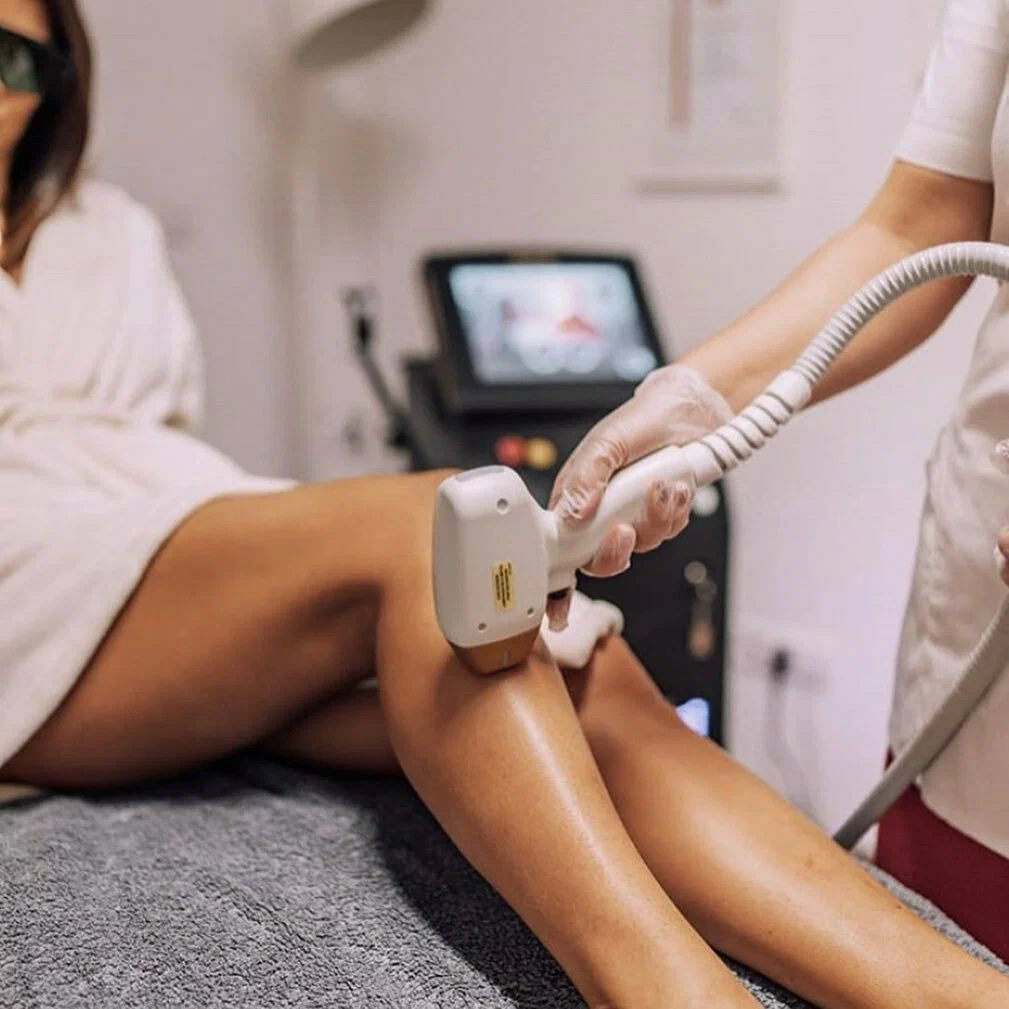

During laser treatments, high energy beams are used and these beams can affect the skin layers. If this procedure is not performed correctly or if your skin is sensitive, laser burn scars may appear. Although these scars are usually temporary, they can sometimes become permanent and negatively affect your appearance.
The experience of the person performing the procedure and your skin type play an important role in treating or preventing laser burn scars. In addition, proper care and treatment after the procedure are also extremely important.
Causes of Laser Burn Scar Formation
Laser burn scars can occur for various reasons:
1. Skin Sensitivity: Some people's skin may be more sensitive to laser beams. This situation usually depends on skin type, age or previous skin problems.
2. Errors During the Procedure: The experience and technique of the person performing the laser procedure can be effective in the formation of burn scars. Incorrectly adjusted laser devices or incorrect techniques can cause skin damage.
3. Inadequate Cooling: Laser beams heat the skin layers. If cooling is not sufficient, this heat accumulation can lead to burn scars.
4. Infection: If proper care is not taken after the laser procedure, the risk of infection increases. This can cause burn scars to form.
5. Excessive Sunlight Exposure: After laser treatment, the skin becomes more sensitive to sunlight, which can contribute to the formation of burn scars.
Being aware of these reasons and taking proper care before and after laser treatment plays an important role in preventing the formation of burn scars.
How Does Laser Burn Scar Go Away?
The treatment of laser burn scars varies depending on the cause of their formation and the severity of the scars. While self-healing may occur in some cases, professional treatment may be required in other cases.
First, it is important to evaluate the severity of the burn scar. In mild burns, home care can be effective:
6. Moisturizing: Regularly used moisturizing creams can help burn scars heal.
7. Sun Protection: Since burn scars are more sensitive to the sun, it is important to use sunscreen and avoid the sun.
8. Cold Application: Applying cold (ice pack, cold water) to the burn area can reduce pain and inflammation.
9. Barrier Creams: Barrier creams, which have a restorative and protective effect on the skin, can contribute to the healing of burn scars.
However, if the burn scars are more serious or permanent, professional treatment methods may be required:
• Laser Treatment: The appearance of burn scars can be improved by using different laser technologies.
• Chemical Peeling: Peeling procedures performed with chemical substances can help fade scars.
• Dermabrasion: Controlled abrasion of the upper layers of the skin reduces scars.
• Injection Treatments: The appearance of scars can be improved by injecting various fillers or corticosteroids.
The selection of professional treatment methods varies according to factors such as the severity of the burn scar, its location and the person's skin characteristics. Determining the most appropriate treatment plan by consulting your doctor will help you achieve the best result.
Professional Treatment Methods for Laser Burn Scars
There are various professional methods for the treatment of laser burn scars. The most commonly used of these are:
Laser Treatment
Laser treatment is one of the most effective methods for improving the appearance of burn scars. Using different laser technologies, the color and texture of the scars can be corrected. Commonly used laser treatment methods:
• Fractional Laser: Microscopic beams applied to the skin in a controlled manner improve the appearance of the scars.
• Color Correcting Lasers: Pigment and redness removal lasers correct the color of the scars.
• Ablative Lasers: Reduce the depth of the scars by eroding the upper layers of the skin in a controlled manner.
Although laser treatment usually requires several sessions, permanent results can be achieved.
Chemical Peeling
The chemical peeling process is based on the controlled peeling of the upper layers of the skin. The appearance of burn scars can be improved by using various chemical substances.
• Glycolic Acid Peeling: Glycolic acid, which has skin regenerative effects, helps fade the scars.
• Trichloroacetic Acid (TCA) Peeling: TCA, a stronger peeling agent, can be used in the treatment of deeper scars.
• Phenol Peeling: Phenol, a highly effective peeling method, is preferred in the treatment of serious burn scars.
Chemical peels are a safe and effective treatment option, although they usually require several sessions.
Dermabrasion
Dermabrasion is a process of controlled abrasion of the upper layers of the skin. This method can be used to improve the appearance of burn scars.
• Mechanical Dermabrasion: Using rotating burs or diamond tips, the area where the scars are located is abraded.
• Chemical Dermabrasion: Using acids or enzymes, the upper layer of the skin is peeled off.
• Laser Derm
 Call
Call
 Whatsapp