


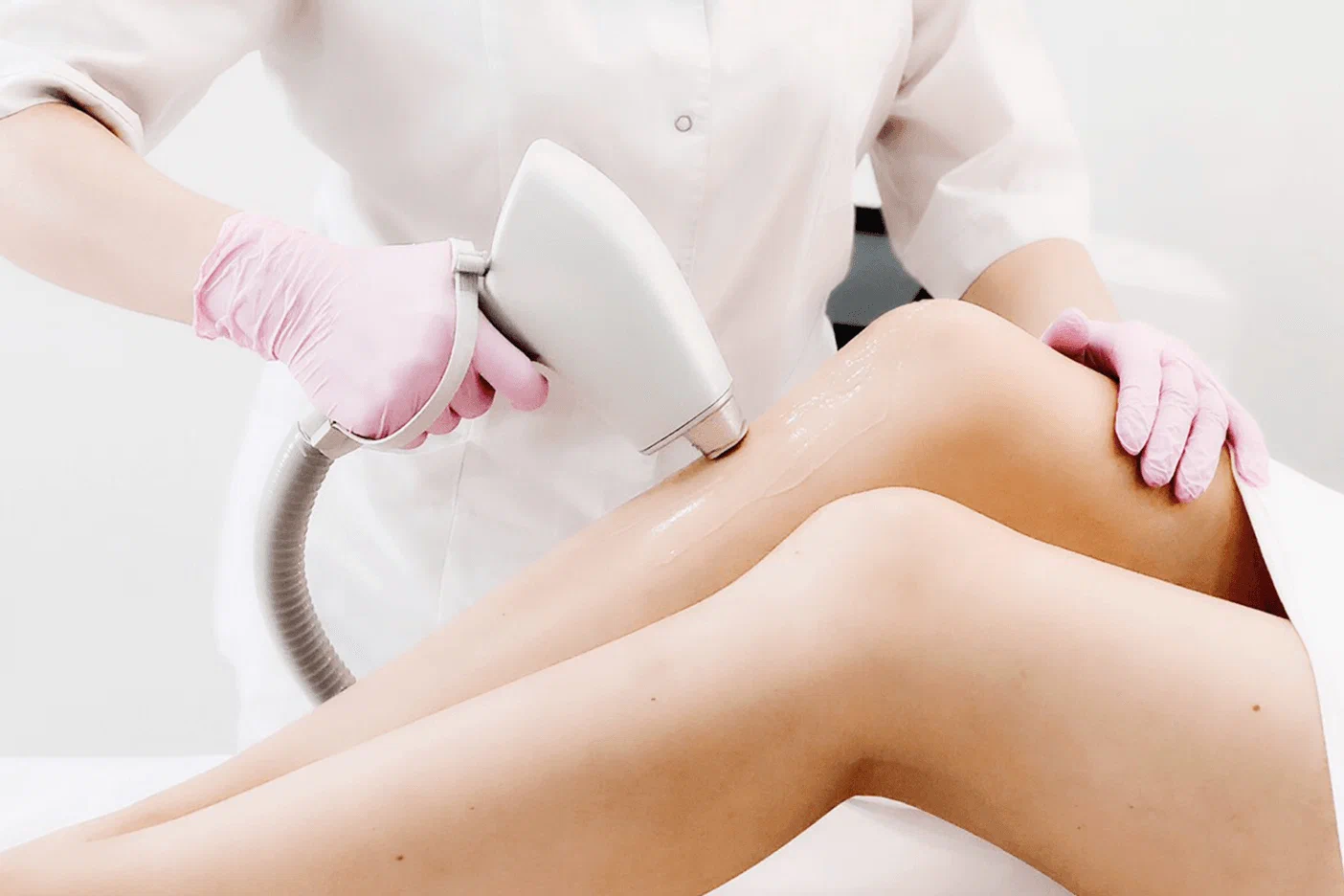

Laser burn marks, although undesirable, are a natural side effect of the laser hair removal procedure. They are more common in individuals with darker skin tones or sensitive skin. However, it is possible to remove these marks with appropriate treatment methods.
Laser burn marks are caused by temporary pigmentation changes in the upper layers of the skin. The appearance of these marks may vary depending on the intensity of the laser beams and the skin's response.
Why Do Laser Burn Marks Form?
Laser burn marks can occur for various reasons. The following factors may contribute to the formation of these marks:
Skin Tone: Individuals with darker skin tones are more sensitive to laser beams, so the risk of burn marks is higher.
Laser Intensity: The higher the intensity of the laser beams, the greater the likelihood of skin damage.
Skin Type: People with sensitive skin are more prone to burn marks after laser hair removal.
Sun Exposure: Exposure to sunlight before or after laser hair removal can increase skin damage and cause burn marks.
Medical Conditions: Certain medical conditions can increase the skin's sensitivity to laser beams.
Inadequate Care: Failure to take proper care of your skin after laser hair removal can lead to the formation of burn marks.
Symptoms of Laser Burn Marks
Symptoms of laser burn marks may vary from person to person. However, the following symptoms may be observed in general:
Redness and swelling
Itching and stinging
Crusting or flaking
Brown or reddish marks
Sensitivity and pain
These symptoms usually begin immediately after laser hair removal and can last from a few days to a few weeks. If symptoms are severe or persist for a long time, it is important to consult a dermatologist.
How to Get Rid of Laser Burn Marks?
The treatment for laser burn marks may vary depending on the severity and duration of the marks. Here are some methods that can help to heal these spots:
Cold Compresses: Cold compresses help to reduce inflammation and swelling in the burn area. Ice packs or cold compresses can be applied at 10-15 minute intervals.
Topical Creams: Topical creams prescribed by your dermatologist can help to heal burn spots. These creams usually have anti-inflammatory and pigment-regulating properties.
Chemical Peeling: Light chemical peeling procedures can help to remove the superficial layers of burn spots and help them heal faster.
Laser Treatment: In some cases, laser treatment can be applied, especially for stubborn burn spots. This procedure helps to break down the spots and heal faster.
Sun Protection: Since exposure to sunlight can cause burn spots to darken even more, it is important to protect yourself from the sun. Sunscreens and protective clothing should be used.
Patience and Regular Care: It may take time for laser burn spots to heal completely. During this process, regular skin care and patience are important.
 Call
Call
 Whatsapp