


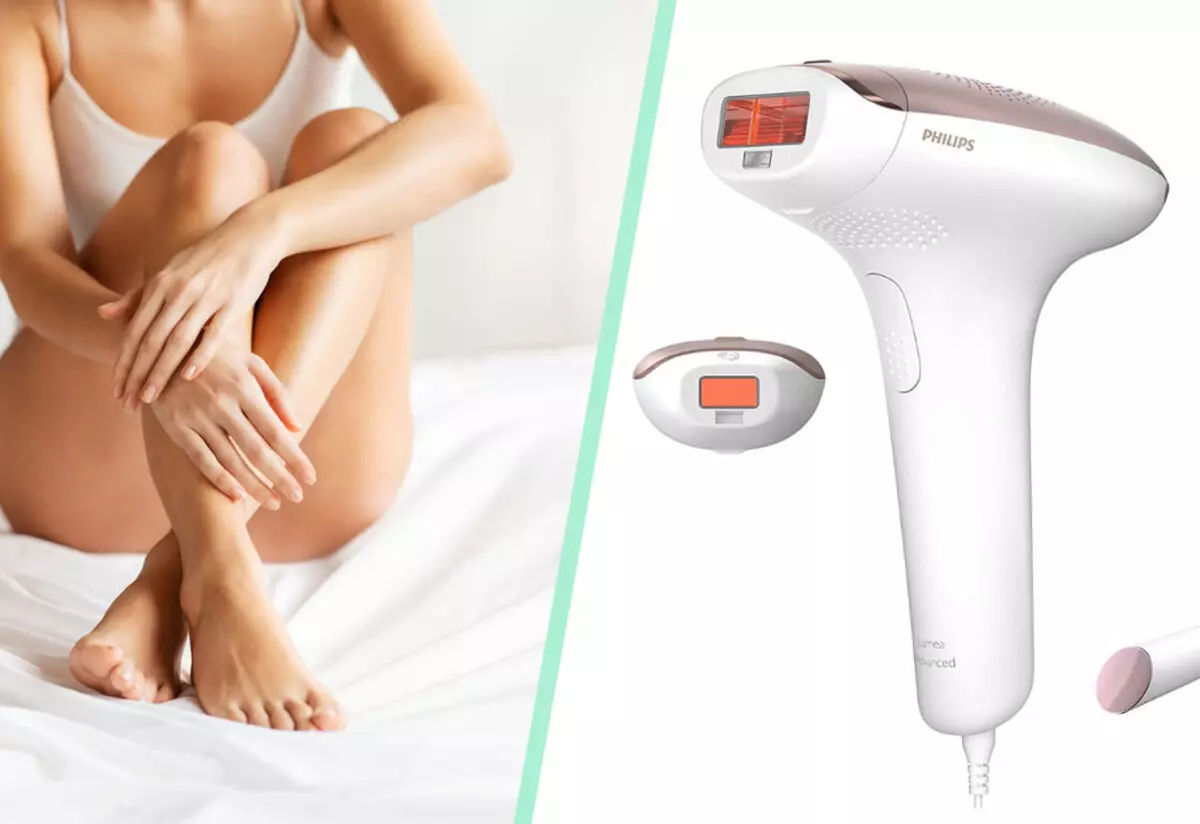

Laser burn is skin damage caused by exposure to laser beams. Laser beams can damage skin tissue by producing high-intensity energy. Laser treatments, especially those applied incorrectly or by inexperienced people, can cause laser burns.
Laser burns can cause redness, swelling, pain and blisters on the skin. In severe cases, deep burns and permanent scarring can occur. Therefore, it is very important to take safety precautions during laser treatments.
Laser Burn Symptoms and Levels
The symptoms and severity of laser burns can vary depending on the amount of energy exposed, skin type and the person's sensitivity. In general, laser burns can be examined in three levels:
First Degree Laser Burn:
Skin redness, sensitivity and burning sensation
Generally a mild and superficial damage
Heals within a few days
Second Degree Laser Burn:
Deep skin damage, blistering and swelling
A painful and uncomfortable condition
The healing process may take longer
Third Degree Laser Burn:
Deep tissue damage, burn formation
Severe pain and risk of infection
Long-term healing process and may leave permanent scars
As the severity of the laser burn increases, the treatment process becomes more complicated. Therefore, it is very important to be careful in laser procedures and to consult experts.
How to Prevent Laser Burns?
Some basic precautions should be taken to prevent laser burns:
Check the Competence of the Laser Practitioner: Laser procedures should definitely be performed by experienced and certified people.
Report Your Skin Sensitivity: If you have experienced skin reactions before, you should inform the practitioner.
Use Safety Equipment: Protective glasses and clothing should be worn during laser applications.
Use the Right Settings: The power and other settings of the laser device should be suitable for your skin type.
Apply Cooling Applications: Cooling procedures should be performed during and after laser application.
Follow Care Instructions: Post-laser skin care recommendations should be followed carefully.
By taking these precautions into account, you can largely prevent laser burns.
What to Do Against Laser Burns
In the event of a laser burn, the first thing to do is to stop the procedure immediately and cool the area. Then you can follow the steps below:
Cooling: Cool the burned area with cold water or an ice pack for 10-15 minutes. This will reduce pain and swelling.
Wound Care: Keep the burned area clean and dry. If necessary, cover the area with a sterile gauze.
Pain Relief: You can take painkillers to reduce pain.
Moisturizing: Moisturize the burned area regularly with moisturizers that soften the skin and accelerate healing.
Infection Control: If you see signs of infection (redness, swelling, discharge) in the burned area, contact your doctor immediately.
Sun Protection: Protect the area from the sun while the burn is healing. UV rays can slow healing.
Depending on the severity of the laser burn, you may also need to see a doctor. Professional medical attention is essential, especially for second- and third-degree burns.
Seeing a Doctor for Laser Burn Treatment
Depending on the severity and extent of the laser burn, you may need to see a doctor. Your doctor will evaluate the degree of the burn and determine the appropriate treatment methods. In some cases, the following treatment options may be applied:
Topical Treatments: Creams or gels containing antibiotics and corticosteroids applied to the burned area.
Oral Medications: Medications that relieve pain, prevent infection, and accelerate healing.
Dressing: Protecting the burned area using sterile gauze, hydrogel dressings, or wound dressings.
Surgery: In severe burns, skin grafts or other surgical procedures may be required.
 Call
Call
 Whatsapp