


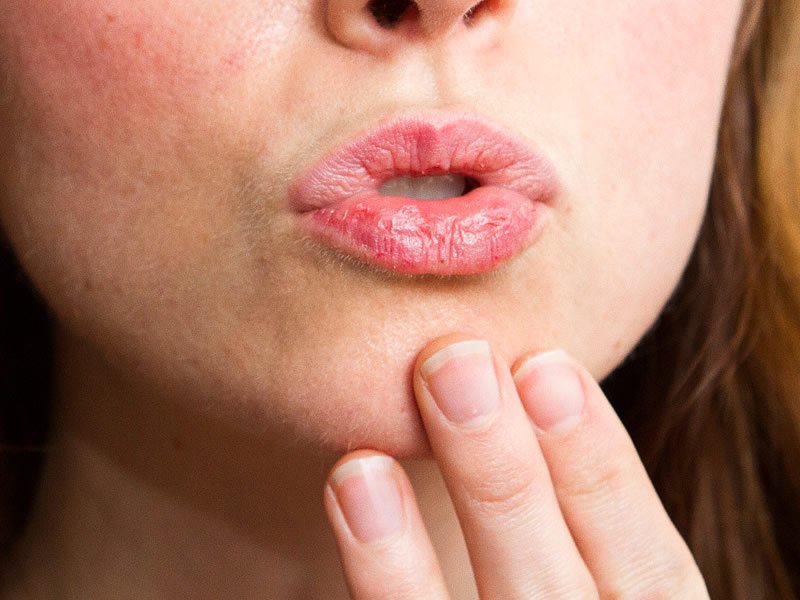

A lip hemorrhage is a small swelling or blister that occurs on the inside of the lip. This blister usually appears red or purple and can be painful. A lip hemorrhage occurs due to blood or fluid accumulating on the inside of the lip.
Causes of Lip Hemorrhage
There are many causes of lip hemorrhage. The most common of these are as follows:
Trauma or Injury: A blow or bite to the lip can cause a lip hemorrhage.
Brushing: Brushing your teeth hard or with the wrong technique can cause irritation and blood accumulation inside the lip.
Biting Your Lips: Habitual lip biting can cause a lip hemorrhage.
Stress: Excessive stress can trigger a lip hemorrhage.
Vitamin Deficiency: Vitamin B deficiency in particular can increase the risk of a lip hemorrhage.
Allergic Reactions: Some foods or substances can cause allergic reactions in the lip area, causing a blood accumulation.
Dehydration: Failure to meet the body's water needs can lead to a lip hemorrhage.
Symptoms of Lip Hemorrhage
The most obvious symptoms of lip hemorrhage are:
A small swelling or blister on the inside of the lip
A red, purple or blue discoloration
A feeling of tenderness or pain
A swelling of the lip
Difficulty speaking or swallowing
Is Lip Hemorrhage a Serious Condition?
Lip hemorrhage is generally not a serious health problem. However, in some cases, it can lead to complications. If the hemorrhage becomes too large, it can cause difficulty swallowing and speaking. In addition, the hemorrhage can carry a risk of infection. Therefore, it is recommended that you consult a doctor in case of severe or prolonged lip hemorrhage.
Natural Methods to Relieve Lip Hemorrhage
In cases of mild lip hemorrhage, the following natural methods may be beneficial:
Ice Application: You can reduce swelling and pain by applying ice to the lip.
Salt Water Gargle: You can reduce the risk of infection by gargling with salt water.
Vitamin Supplement: B vitamins, vitamin C and zinc supplements can speed up the healing process.
Herbal Teas: Herbal teas such as sage, chamomile and green tea can help relieve lip hemorrhage.
Using Moisturizers: Keeping the lips moist can speed up healing.
When to See a Doctor for Lip Hemorrhage?
It is recommended that you see a doctor in the following cases:
Lip hemorrhage becomes severe or lasts a long time.
If there are signs of infection in the lip (redness, swelling, pain).
If you have difficulty swallowing or speaking.
If the hemorrhage occurs along with other health problems.
If your lip hemorrhage persists, see a doctor immediately. A specialist dentist will provide you with appropriate treatment options.
Lip hemorrhage is a common condition and most people experience this problem at some point in their lives. Although it is usually a problem that goes away on its own, in some cases medical intervention may be required. Therefore, it is important to understand the causes, symptoms and treatment options for lip hemorrhage.
Causes of Lip Hemorrhage
There are many possible causes of lip hemorrhage. Some of these include:
Trauma or Impact: A blow, impact or injury to the lip can cause a blood clot.
Dental Problems: Tooth extraction, dental fillings or gum disease can cause a blood clot in the lip.
Allergic Reactions: Certain foods, medications or cosmetics can cause an allergic reaction in the lip, causing a blood clot.
Hormonal Changes: Hormonal changes such as pregnancy, menstruation or menopause can contribute to a blood clot in the lip.
Nutritional Deficiencies: Inadequate vitamin and mineral intake can cause a blood clot.
Chronic Diseases: Some chronic health problems such as diabetes, Crohn's disease or Sjögren's syndrome can cause a blood clot in the lip.
Symptoms of a Lip Hemorrhage
The most common symptoms of a lip hemorrhage include:
A small, swollen lump or bump on the inside of the lip
A feeling of pain or discomfort
A change in the color of the lip (shades of red, purple, or blue)
A tender or sore lip
A swelling or deformity of the lip
In some cases, a lip hemorrhage will go away on its own, while in other cases, more serious symptoms may occur. If symptoms persist or worsen, it is important to seek medical attention.
Treatment for a lip hemorrhage
Treatment for a lip hemorrhage usually depends on the severity of the condition and its underlying cause. The following treatment options may be applied:
Home Care:
Reduce swelling and pain by applying cold to the lip
Take painkillers or anti-inflammatory medications
Use a protective cream or barrier product for the lip
Gently cleanse the lip and allow it to dry
Medical Treatment:
Doctor's check-up: Exam and tests to determine the underlying cause
Drug therapy: Medications prescribed to treat infection, allergies or other problems
Surgery: Large or resistant blood collections
 Call
Call
 Whatsapp