


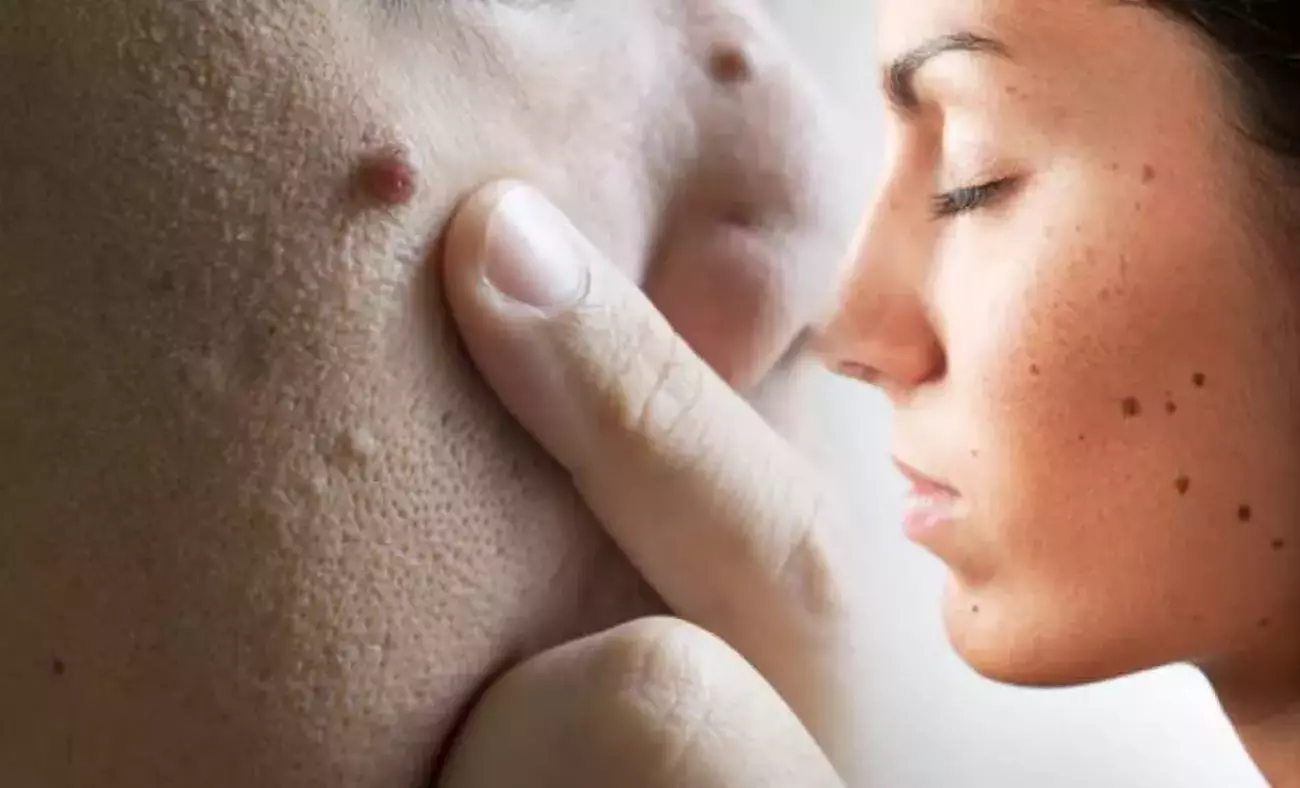

Moles on the face are mostly an aesthetic concern, but in some cases they can also indicate health problems. Therefore, it is important to be informed about the causes of moles on the face and treatment options.
Causes of Moles on the Face
There are several factors that cause moles on the face:
Sunlight Exposure: The UV-B and UV-A rays of sunlight cause melanocyte cells to overproduce, leading to the formation of moles on the face.
Age: With aging, moles on the face can become more visible as a result of uncontrolled reproduction of melanocyte cells.
Hormonal Changes: Hormonal changes such as pregnancy, menopause, or birth control pills can cause melanocyte cells to overactivity.
Genetic Factors: Some people may be more prone to moles on the face due to their genetic predisposition.
Infection or Trauma: Certain skin infections or skin traumas can also contribute to the formation of moles on the face.
Understanding the causes of moles on the face is important in creating an effective treatment plan.
Types of Moles on the Face
Moles on the face can be divided into several types:
Age-Related Moles (Lentigo): They are moles that are usually flat and brown in color, formed as a result of exposure to sunlight.
Sun Spots (Ephilis): They are moles that are more irregularly shaped and brown in color, formed as a result of excessive exposure to sunlight.
Melasma: They are brown or gray moles with irregular borders, usually seen in certain areas of the face (forehead, cheeks, upper lip), formed due to hormonal changes.
Congenital Moles: They are moles that are usually darker in color and irregular in shape, that are present at birth.
Warts (Nevus): They are moles that are usually higher and more regularly shaped, formed as a result of excessive reproduction of skin cells.
Each type of mole has its own characteristics and treatment approaches. It is important to correctly determine the type of mole to create an effective treatment plan.
Treatment of Moles on the Face
Various methods can be used for the treatment of moles on the face:
Sun Protection: Precautions should be taken to avoid exposure to sunlight, such as using sunscreen, wearing hats and sunglasses.
Topical Treatments: Using prescription or non-prescription creams, serums, and masks can lighten the color and appearance of moles.
Chemical Peeling: It can reduce the appearance of moles by peeling the cells on the upper layer of the face.
Laser Treatment: Moles can be targeted and destroyed using high-energy light beams.
Surgical Methods: Surgical removal is possible, especially for large or persistent moles.
Treatment options may vary depending on the type, size, location of the mole, and the patient's preferences. It is important to determine the most appropriate treatment method by consulting a dermatologist.
Would you like to learn the most appropriate treatment method for removing moles on the face? Consult a dermatologist immediately and achieve healthy and beautiful skin!
 Call
Call
 Whatsapp