


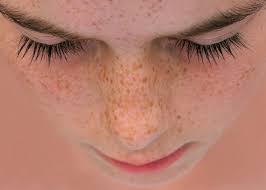

Why Do Red Spots Form on the Face?
Red spots on the face can occur due to many different factors. The expansion of the vessels in the upper layer of the skin, inflammation or various skin disorders can lead to the formation of such spots. These spots can often cause aesthetic concerns and may be a condition that needs to be treated. Common causes of red spots on the face are as follows:
1. Acne and Acne
Acne and acne are one of the most common causes of red spots on the face. This disorder, which starts with the blockage of the oil glands in the skin, leads to inflammation, which can cause the formation of red marks. Especially if the pimples are inflamed, red spots can remain on the skin for a long time.
2. Rosacea (Rosacia)
Rosacea is a condition in which redness and red spots are seen in the center of the face due to the expansion of the vessels in the skin. Rosacea is usually noticeable on the nose, forehead and cheeks. In addition, this disease can lead to inflammation, swelling and painful red spots.
3. Allergic Reactions
Allergic reactions on the skin can also cause red spots. A new cosmetic product, soap or food can cause allergic reactions on the skin, causing red spots to form. Red spots caused by allergies are usually itchy and sometimes swelling can be observed.
4. Skin Irritation and Burns
Red spots on the face can sometimes be caused by external factors such as skin irritation or sunburn. Excessive sun exposure in particular can cause skin irritation and red spots to form. Sunburn is one of the most common conditions that cause redness on the skin.
5. Skin Vascular Problems
The widening of small blood vessels on the face (telangiectasia) can also cause red spots to form. Usually, aging, genetic factors or exposure to extreme hot/cold weather cause these vessels to widen. This situation is especially noticeable in areas such as the nose area, cheeks and chin.
How to Get Rid of Red Spots on the Face?
1. Skin Care and Cleansing
Regular skin care is important to prevent and treat red spots on the face. Skin cleansing prevents pores from clogging and reduces inflammation. Cleansers formulated for soft, sensitive skin should be used. In addition, maintaining the skin's moisture balance helps prevent irritation.
2. Using Sunscreen
Sunlight can make red spots on the skin more visible. Using a skin-protective sunscreen before sun exposure both reduces the appearance of existing red spots and prevents the formation of new spots. Sunscreens with SPF 30 and above should be preferred.
3. Topical Creams and Lotions
Some topical creams can help reduce red spots on the face. These creams usually contain anti-inflammatory and soothing ingredients. Hydrocortisone cream can be used to treat rosacea and acne scars. Substances such as niacinamide and vitamin C, which help balance skin tone, can also lighten such spots.
4. Laser Treatment
Laser treatment is an effective method for treating red spots on the face. Laser light can help shrink blood vessels and reduce red spots on the skin by targeting blood vessels. Laser treatment is especially suitable for red spots caused by vascular problems such as rosacea or telangiectasia.
5. Natural Methods and Masks
Some natural methods can also lighten red spots. Natural ingredients such as oatmeal masks, aloe vera and honey can soothe inflammation on the skin and reduce the appearance of red spots. However, the effectiveness of natural methods may vary from person to person, so it is necessary to use them carefully.
In Conclusion
Red spots on the face are usually caused by reasons such as acne, rosacea, allergic reactions, skin irritation and vascular problems. In order to treat these spots, it is important to do regular skin care, protect yourself from the sun, use topical creams and, if necessary, resort to professional methods such as laser treatment. Since red spots are caused by inflammation or vascular dilation in the skin, it is necessary to be patient during the treatment process and choose the appropriate methods.
 Call
Call
 Whatsapp