


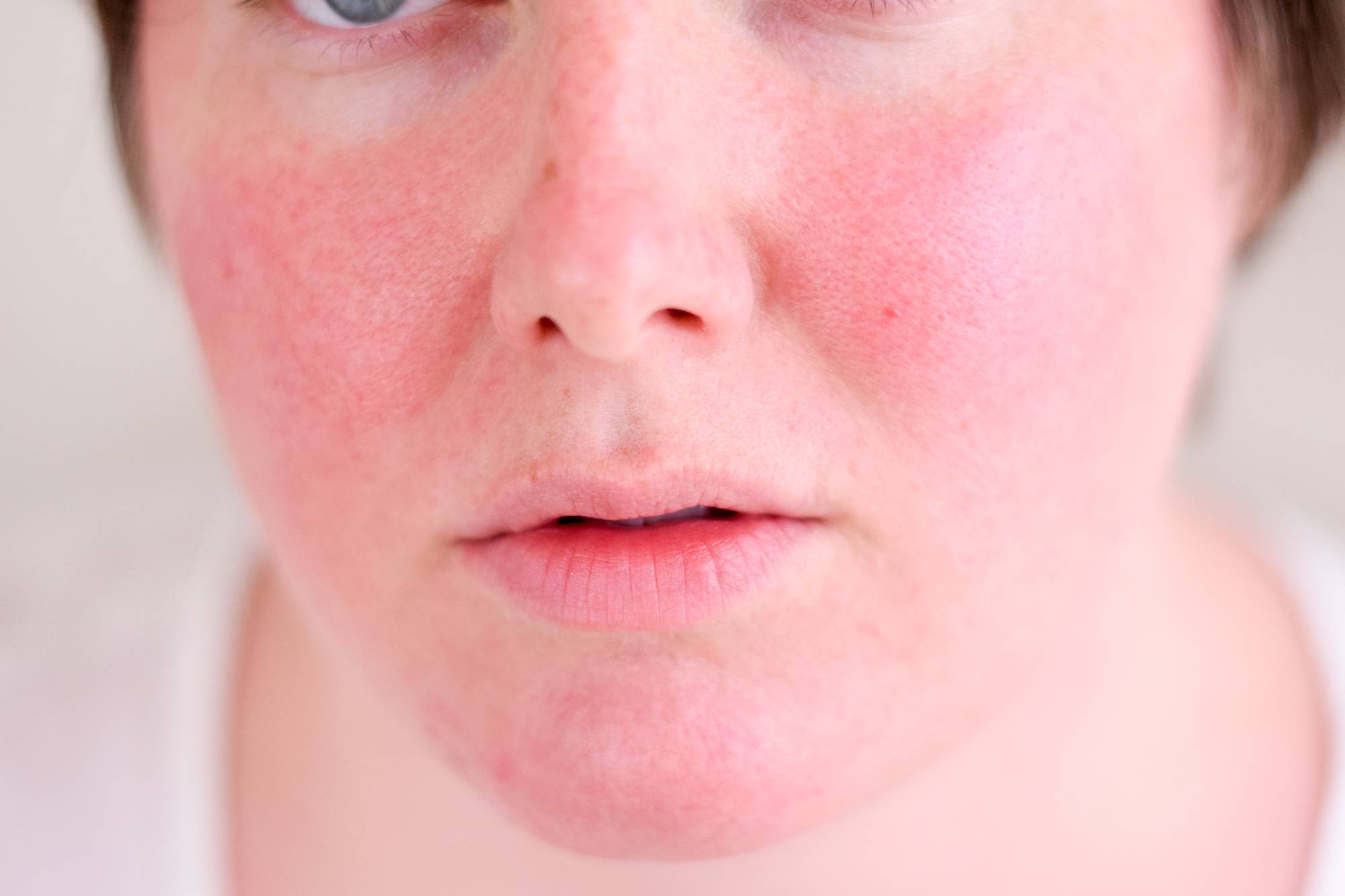

Redness occurs as a result of increased blood flow to the skin. This can be due to a variety of causes, including infection, allergic reactions, sunburn, or other skin problems. Redness is often accompanied by symptoms such as itching, pain, or a burning sensation.
Redness is an important warning sign for skin health and is usually a condition that needs to be treated. Determining the cause of the redness and applying appropriate treatment methods can help restore the healthy appearance of the skin.
Causes of Redness
Redness can occur for a variety of reasons. Here are some common causes:
Infection: Bacterial, viral, or fungal infections can cause redness.
Allergic Reactions: Foods, medications, cosmetics, or other substances can cause allergic reactions, leading to redness.
Sunlight Exposure: Excessive exposure to sunlight can cause sunburn and redness.
Stress: Stress can affect the body's defense system, causing redness.
Skin Conditions: Skin conditions such as eczema, rosacea, and acne can cause redness.
Irritants: Some chemicals, soaps, and detergents can irritate the skin and cause redness.
Hormonal Changes: Hormonal changes, especially during pregnancy or menopause, can cause redness.
Determining the cause of the redness is important to choosing the right treatment.
Redness Symptoms
The most obvious symptoms of redness include:
A red, tender, or swollen appearance of the skin
Itching, burning, or stinging sensation
Increased skin temperature
Dryness or flaking
Formation of blisters or crusts
Skin that is sensitive and easily irritated
The severity and extent of the redness can vary depending on the cause. In some cases, the redness is limited to a specific area, while in other cases it can affect large areas of the body.
Redness symptoms usually occur as a response to the skin's defense mechanism. Therefore, it is important to determine the cause of the redness and apply appropriate treatment methods.
Redness Treatment Methods
The treatment of redness varies depending on the cause. Some common treatment methods are:
Cold Application: Applying an ice pack or cold compress to the reddened area can help reduce inflammation and provide relief.
Using Moisturizers: Applying moisturizer to dry and irritated skin can help the skin heal.
Steroid Creams: Creams containing steroids, obtained with a doctor's prescription, can be effective in reducing redness and inflammation.
Antihistamines: Antihistamine drugs can be used in rashes caused by allergic reactions.
Antibiotics: Antibiotic drugs can be prescribed by a doctor in rashes caused by infection.
Skin Care Products: Cleansers, moisturizers and sunscreens specially formulated for sensitive skin can be used.
Stress Management: Stress management techniques (meditation, yoga, relaxation exercises) can be effective in stress-related redness.
Depending on the cause of the redness, one or more of these treatment methods can be applied together. Following your doctor's recommendations will help treat the rash effectively.
When to See a Doctor for a Rash?
Rash is usually a condition that goes away on its own. However, in some cases, it may be necessary to see a doctor. It is recommended to see your doctor in the following cases:
Severe or Widespread Redness: A redness that covers a large area of the body or is severe may be a sign of infection or an allergic reaction and may require medical attention.
Pain, Swelling or Pus Formation: Pain, swelling or pus formation along with the redness may be a sign of infection and a doctor should be consulted.
Significant Symptoms: It is important to see a doctor if there are noticeable symptoms such as fever, chills, headache or nausea along with the redness.
Chronic or Recurring Redness: If the redness recurs frequently or becomes chronic, it may indicate an underlying health problem.
Sensitive Areas: It may be necessary to see a doctor for redness in sensitive areas such as the face, genital area or eyes.
Medication Use: It is important to consult a doctor in cases of rashes that occur due to the use of certain medications.
Although rash is usually a simple skin reaction, medical intervention may be required in certain cases. Regular check-ups with your doctor, determining the cause of the rash and applying appropriate treatment methods will help your skin regain its healthy appearance.
 Call
Call
 Whatsapp