


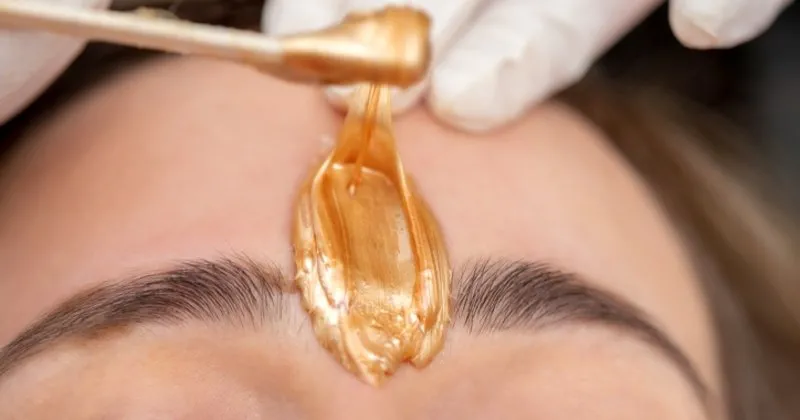

Waxing is a method used to remove unwanted body hair. During the waxing process, hot or cold wax is applied to the body area and then the hair is removed from the root with a quick movement. This process prevents the hair from growing for a long time and helps to achieve a smooth appearance.
Waxing can be done by professional beauticians or at home. When waxing at home, you will need materials such as wax types, spatulas, powders and cleaning products. Applying the process correctly will provide you with both more effective and safer results.
Why does redness occur after waxing?
During the waxing process, irritation and redness may occur on the skin due to the hair being removed from the root. This can happen for several reasons:
Sensitive skin: Some people's skin may react more sensitively to waxing. In these people, redness and irritation are likely to be more severe.
Incorrect waxing technique: Improper application of the waxing process, for example, using wax at an inappropriate temperature or not stretching the skin properly, can cause redness.
Allergy or sensitivity: Some people may be allergic or sensitive to the ingredients in the wax. In this case, redness and irritation may occur.
Risk of infection: Micro-wounds that occur on the skin during the waxing process can increase the risk of infection. If an infection develops, symptoms such as redness and swelling may occur.
For these reasons, redness and irritation may occur after waxing. However, these problems can be prevented by taking the right precautions.
How does redness after waxing go away?
Various methods can be applied to relieve redness after waxing. These include:
Cold application: Applying an ice pack or cold water compress to the reddened area helps reduce redness by slowing blood circulation.
Using moisturizers: Creams or lotions that moisturize and soothe the skin are effective in reducing redness.
Antibacterial products: Antibacterial products can be applied to the reddened area to reduce the risk of infection.
Antihistamines: In cases of allergy-related rashes, antihistamines can be used with a doctor's recommendation.
Rest: Avoiding touching and rubbing the reddened area helps the rash heal faster.
You can quickly eliminate redness after waxing by applying one or more of these methods. However, if the redness is severe or does not go away, it is recommended that you consult a dermatologist.
Reducing redness after waxing with natural methods
Natural methods can also be effective in eliminating redness after waxing. These include:
Aloe vera: Aloe vera gel is beneficial in reducing redness with its skin-soothing and moisturizing properties.
Green tea: The antioxidant and anti-inflammatory properties of green tea are effective in eliminating redness.
Coconut oil: Coconut oil soothes and moisturizes the skin. It has positive effects on redness.
Eucalyptus oil: Eucalyptus oil can be used to reduce redness with its antiseptic and soothing properties.
Ice application: Compresses made with ice packs or cold water reduce redness by slowing down blood circulation.
You can eliminate redness after waxing by applying these natural products to the reddened area or by drinking them. However, since there may be a risk of allergy, it is recommended that you test a small amount first.
Removing redness after waxing with creams and lotions
Specially developed creams and lotions can also be used to eliminate redness after waxing. These include:
Soothing creams: Reduce redness and irritation with their calming ingredients.
Moisturizing lotions: Moisturize the skin and eliminate redness and dryness.
Antibacterial products: Help heal redness by reducing the risk of infection.
Anti-inflammatory creams: Reduce inflammation and redness with their active ingredients.
Products containing Vitamin E: Vitamin E repairs and renews the skin, contributing to the elimination of redness.
 Call
Call
 Whatsapp