


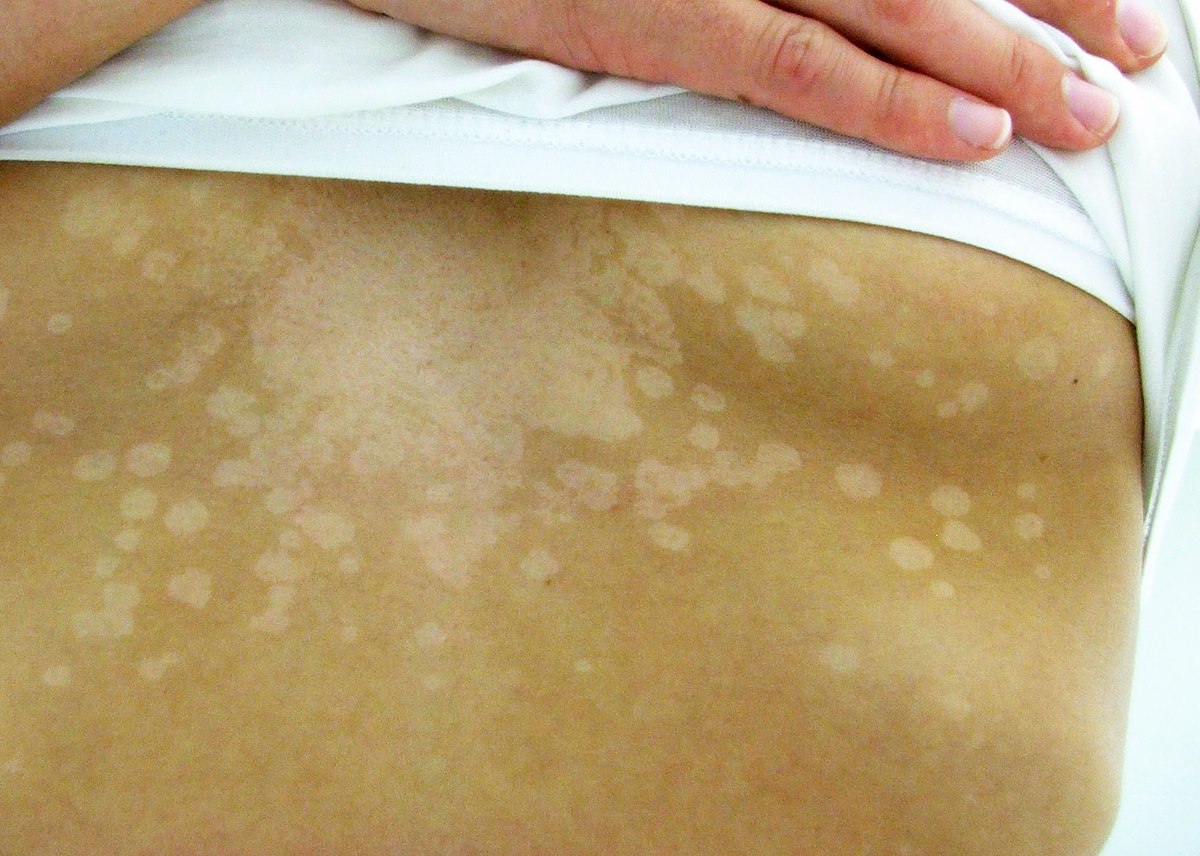

Rosacea is a bacterial infection, usually triggered by the bacterium Streptococcus pyogenes. This bacterium enters the body through wounds, cuts or cracks on the skin and causes the disease. The disease can be easily transmitted from person to person and can lead to serious complications if not treated in time.
What are the Symptoms of Rosacea?
The most obvious symptoms of rosacea are:
1. Redness and swelling: Redness, swelling and pain are seen in the infection area. This area becomes even redder and swollen over time.
2. Temperature: Increased heat is felt in the infection area. The area is warmer than the healthy tissue around it.
3. Pain and tenderness: The infection area is very sensitive and painful to touch and movement.
4. Spread: The disease can spread rapidly from the initial area and cover larger areas of the body.
5. Fever and chills: Patients may also experience general symptoms such as fever, chills and weakness as the disease progresses.
6. Swollen lymph nodes: Swelling and tenderness may occur in the lymph nodes near the infection area.
Causes of Rosacea
The most common cause of rosacea is the bacterium Streptococcus pyogenes. This bacterium enters the body through wounds, scratches or cracks on the skin and causes the disease. In addition, certain health conditions such as a weak immune system, diabetes and obesity can increase the risk of rosacea.
Other possible causes include:
• Skin trauma (cuts, scrapes, burns)
• Poor hygiene habits
• Other skin infections
• Use of medications that suppress the immune system
The disease can be transmitted through close contact with infected people or through contact with infected areas.
Treatment of Rosacea
Treatment of rosacea usually involves the use of antibiotics and additional supportive treatments. Here are the basic steps for treating rosacea:
7. Antibiotic treatment: Your doctor will prescribe oral or intravenous antibiotics, depending on the severity of the disease. Antibiotics are used to control the infection and stop its progression.
8. Pain and inflammation control: Painkillers, anti-inflammatory drugs and cold compresses can be used to reduce pain and inflammation.
9. Rest and fluid intake: Patients should get enough rest and drink plenty of fluids during the recovery process.
10. Hygiene and care: The infection area should be kept clean and dry, and a dressing should be applied if necessary.
11. Prevention of complications: Your doctor may recommend additional measures to prevent the progression of the disease and prevent complications.
Early diagnosis and appropriate treatment ensure rapid and effective recovery from rosacea. If the disease is not treated promptly and correctly, serious complications (sepsis, kidney damage, heart inflammation, etc.) may occur.
 Call
Call
 Whatsapp