


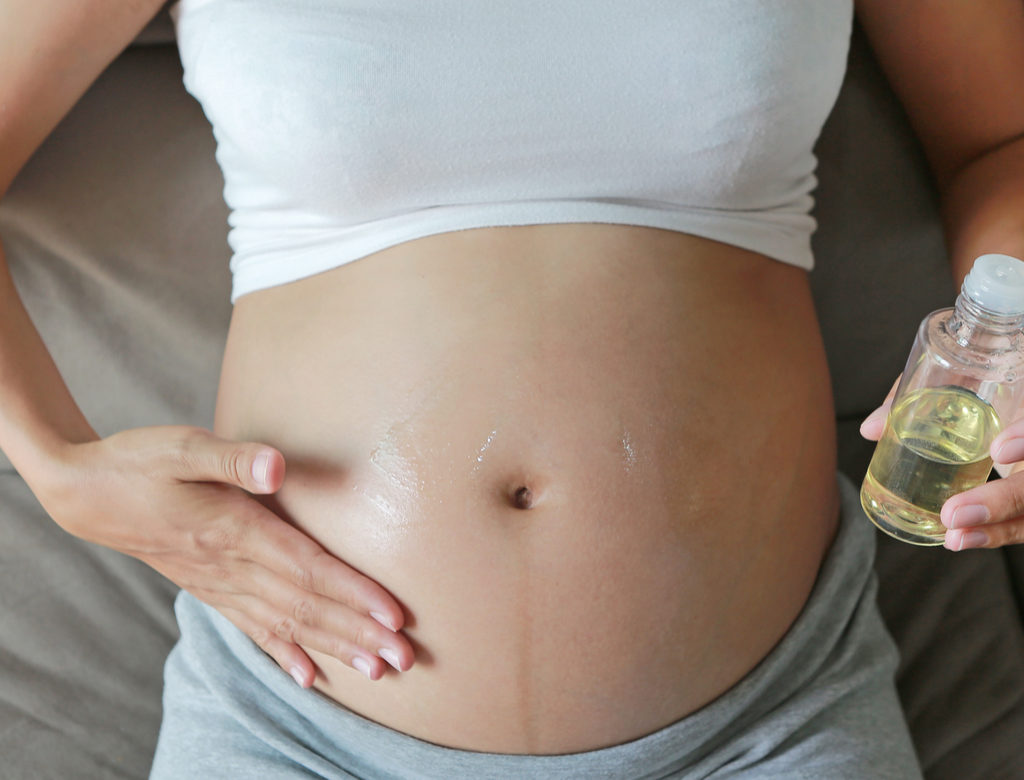

Postpartum stretch marks occur due to the rapid growth of the body during pregnancy and decreased skin elasticity. In addition, water retention that existed before pregnancy and increased during birth, hormonal changes and excessive weight gain may also contribute to the formation of stretch marks.
Stretch marks can appear in different ways in every woman. Some may be pink, red or purple in color, while others may appear paler and silvery. The appearance and severity of stretch marks vary depending on the individual characteristics of each woman.
Causes of Postpartum Stretch Marks
Many factors play a role in the formation of postpartum stretch marks:
Rapid Weight Gain: Rapid weight gain during pregnancy can cause tension in the skin and lead to stretch marks.
Hormonal Changes: Hormonal changes that occur in the body during pregnancy can reduce the elasticity of the skin and trigger the formation of stretch marks.
Genetic Predisposition: Some women's genetic makeup carries a higher risk of postpartum stretch marks.
Skin Type: Stretch marks may be more common in women with dry, sensitive and thin skin.
Multiple Pregnancy: Multiple pregnancies, such as twins or triplets, can cause faster and more noticeable stretch marks to form.
Age: In women who become pregnant at a young age, stretch marks may be less visible due to higher skin elasticity.
Smoking and Alcohol Use: Smoking and alcohol use can negatively affect the blood circulation and oxygen level in the skin and contribute to the formation of stretch marks.
Symptoms of Postpartum Stretch Marks
Postpartum stretch marks usually manifest themselves with the following symptoms:
Red, pink, or purple streaks: Stretch marks initially appear red, pink, or purple.
Itching and burning sensation: Cracks can cause uncomfortable symptoms such as itching and burning sensation.
Skin tension: Stretch marks can cause skin tension and a pulling sensation.
Change in appearance: Stretch marks can be aesthetically pleasing, creating visible lines on the skin.
The cracks may fade over time and turn silver or white, but they will not disappear completely. In some women, stretch marks may become more visible in the postpartum period.
Natural Treatment Methods for Postpartum Stretch Marks
Many natural methods can be used to treat postpartum stretch marks. These include:
Moisturizing Creams: Moisturizing creams with ingredients such as vitamin E, shea butter, and coenzyme Q10 can be effective in reducing the appearance of stretch marks.
Vegetable Oils: Vegetable oils such as castor oil, avocado oil, almond oil and coco oil can help heal stretch marks.
Massage: Regular massage can accelerate the healing of stretch marks by increasing blood circulation.
Hydration: Adequate water consumption can prevent the formation of stretch marks by increasing the elasticity of the skin.
Nutrition: Foods containing omega-3 fatty acids, vitamin C, zinc and protein can support skin health.
Herbal Supplements: Herbal supplements such as black cumin oil, licorice root and red clover can help heal stretch marks.
Exercise: Regular exercise can contribute to the healing of stretch marks by increasing blood circulation.
These natural treatment methods can help heal stretch marks, but since each woman's body structure and response will be different, it is important to take a personalized approach.
Tips to Prevent Postpartum Stretch Marks
You can follow the tips below to prevent the formation of stretch marks after birth:
Controlling Weight Gain: Gaining weight in a healthy and balanced way during pregnancy can reduce the risk of stretch marks.
Moisturizing Your Skin: Using moisturizing products regularly during pregnancy and after birth can increase the elasticity of your skin.
Daily Massage: Regularly massaging the abdomen, chest, hips and thighs can prevent the formation of stretch marks by increasing blood circulation.
Managing Stress: Developing methods to cope with stress during pregnancy and the postpartum period can maintain hormonal balance.
Healthy Nutrition: Consuming foods containing omega-3, vitamin C, zinc and protein can support skin health.
Avoiding Smoking and Alcohol: Since smoking and alcohol use can negatively affect blood circulation in the skin, it is important to stay away from them.
Exercising Regularly: Regular exercises during the postpartum period can prevent the formation of stretch marks by increasing blood circulation.
By following these tips, you can prevent the formation of postpartum stretch marks and reduce the appearance of existing stretch marks.
Medical Treatment Methods for Postpartum Stretch Marks
In cases where satisfactory results cannot be obtained with natural methods, medical treatment options can also be considered. These include:
Retinoids: Vitamin A-derived retinoids may be effective in reducing the appearance of stretch marks.
Laser Treatment: Different laser technologies can improve the appearance of stretch marks by lightening their color and improving their texture.
 Call
Call
 Whatsapp