


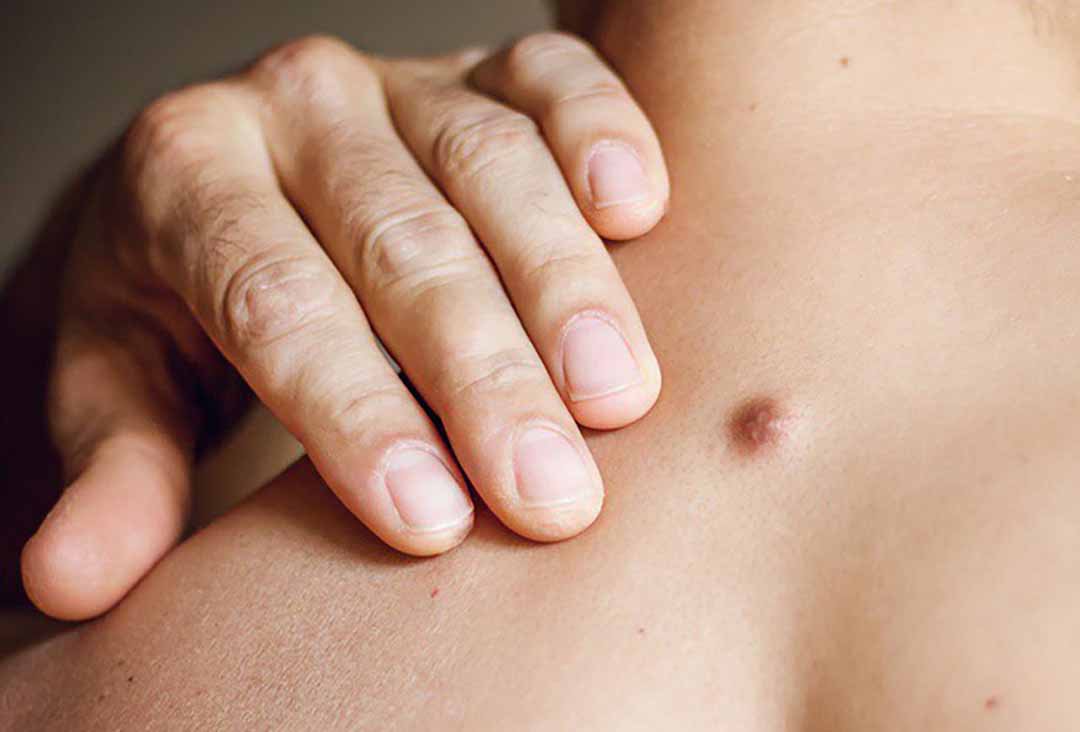

Subcutaneous acne is a skin problem that occurs under the skin and usually manifests as a painful bump. This type of acne occurs as a result of blockage of oil and dirt accumulated under the skin. As a result, an inflammatory swelling occurs under the skin and acne occurs.
What causes subcutaneous acne?
Many factors may be effective in the formation of subcutaneous acne. The most important of these are hormonal changes. Hormonal changes such as puberty, pregnancy or menstruation can trigger acne formation. In addition, not cleaning the oil and dirt accumulated on the skin, not cleaning make-up properly, stress, wrong eating habits and genetic factors can also contribute to the formation of subcutaneous acne.
What are the symptoms and characteristics of subcutaneous acne?
Subcutaneous acne usually manifests itself as a painful swelling on the skin. Since it occurs under the skin, no obvious redness or acne scars may be visible on the surface. In addition, subcutaneous acne can often be large in size and cause skin tenderness or pain. In some cases, when a subcutaneous acne breaks out, an inflamed acne scar or blemish may be left behind.
How to treat subcutaneous acne at home?
There are several effective methods to treat subcutaneous acne at home. First, it is important to have clean and moist skin. You can use a mild cleanser to cleanse your skin regularly. You can also massage with a soft towel or your hands instead of hard brushes or sponges to avoid irritating the skin.
You can also use warm compresses to treat subcutaneous acne. You can relieve the inflamed area by applying a piece of cloth or cotton soaked in hot water to the area where the acne is present. In addition, it is important to use moisturizer without drying your skin. Moisturizer can speed up the healing process of acne by keeping your skin moist.
Over-the-counter treatments for subcutaneous acne
There are some over-the-counter treatments for subcutaneous acne. These treatments are often used to dry acne and reduce inflammation. For example, you can use acne creams that contain benzoyl peroxide or cleansers that contain salicylic acid. Before using these products, you should pay attention to the sensitivity of your skin and follow the instructions for use.
Prescription treatments for subcutaneous acne
Prescription treatments for subcutaneous acne may be used for more severe cases or for acne that does not respond to other treatments. Topical medications or antibiotics prescribed by a dermatologist can be effective in treating subcutaneous acne. Before using these medications, you should consult your dermatologist and follow the instructions correctly.
Natural methods for subcutaneous acne
You can also use natural methods to treat subcutaneous acne. These include natural ingredients such as tea tree oil, aloe vera gel, olive oil and honey. Tea tree oil is known for its antiseptic properties and can speed up the healing process of acne. Aloe vera gel can soothe the skin and reduce inflammation. Olive oil and honey can also nourish the skin and help reduce acne scars.
 Call
Call
 Whatsapp