


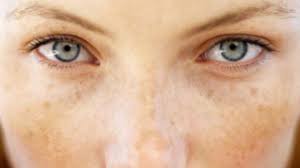

What are Sun Spots?
Sun spots are brown or reddish spots that occur as a result of excessive sun exposure on the skin. These spots are usually seen on the face, hands and body areas that are most exposed to the sun. The harmful UV rays of the sun increase melanin production in the skin, causing pigmentation. Over time, these pigment deposits lead to sun spots. In addition, aging, skin sensitivity or hormonal changes can also contribute to the formation of sun spots.
Causes of Sun Spots
The main cause of sun spots is the overproduction of melanin pigment in the skin. UV rays increase melanin production, causing dark spots to form on the skin. In addition, in addition to sun exposure, the aging process can also cause spots to become more visible, along with loss of elasticity in the skin. Hormonal changes such as pregnancy or use of birth control pills also affect pigment production in the skin, paving the way for sun spots to form.
How Do Sun Spots Go Away?
Getting rid of sun spots is usually possible with regular care and the right treatment methods. Here are some effective methods:
Using Sunscreen
The first step in treating sunspots is protection. Using a high-factor sunscreen before sun exposure prevents spots from darkening. Sunscreen prevents new spots from forming by preventing UV rays from damaging the skin. Sunscreen should be renewed every two hours and applied every time you go outside.
Skin Brightening Creams and Serums
Lightening products formulated to reduce dark spots on the skin can be effective in treating sunspots. These products usually contain vitamin C, niacinamide (vitamin B3), hydroquinone, and alpha-hydroxy acids (AHA). Vitamin C balances pigmentation in the skin, making spots appear lighter. Niacinamide evens out skin tone and lightens spots. These types of creams can help balance skin tone with regular use.
Laser Treatment
Laser treatment is a highly effective option in treating sunspots. Laser acts on the pigments of the spots, causing them to disappear. In addition, laser treatment stimulates the lower layers of the skin, providing a younger and healthier skin appearance. Laser treatment usually requires several sessions and should be performed by dermatologists.
Chemical Peeling
Chemical peeling helps reduce the appearance of spots by peeling dead cells on the skin surface. This process provides skin renewal and contributes to the reduction of dark spots on the skin. Peeling should be performed by a professional specialist and acids suitable for the skin type should be used. Since the skin will become sensitive after this procedure, care should be taken to protect it from the sun.
PRP (Platelet Rich Plasma) Application
PRP treatment is the injection of plasma obtained from the person's own blood into the skin. This treatment can help reduce spots on the skin and provides skin renewal. Since PRP is a natural treatment, it is easier for the skin to adapt. This treatment should be applied by a dermatologist or aesthetic specialist.
Home Application Methods
There are also some natural methods to treat sun spots at home. These may be temporary solutions, but they can be helpful when used regularly. For example:
Aloe Vera: Aloe vera soothes and renews the skin. It can also lighten skin pigments. Aloe vera gel can be applied directly to spots.
Lemon Juice: Lemon is a natural bleach and can help lighten spots. However, it should be used with caution as the acidic nature of lemon juice can make the skin sensitive.
Yogurt and Honey Mask: Yogurt and honey moisturize and brighten the skin. This mixture can lighten the appearance of sun spots.
Sun Spot Protection
The most effective way to prevent sun spots from forming is to protect yourself from the sun. It is important to use a broad-spectrum sunscreen with at least SPF 30 before going out in the sun. In addition, physical barriers such as hats, sunglasses and protective clothing also provide protection against the sun.
 Call
Call
 Whatsapp