



Why Do Sun Spots Form?
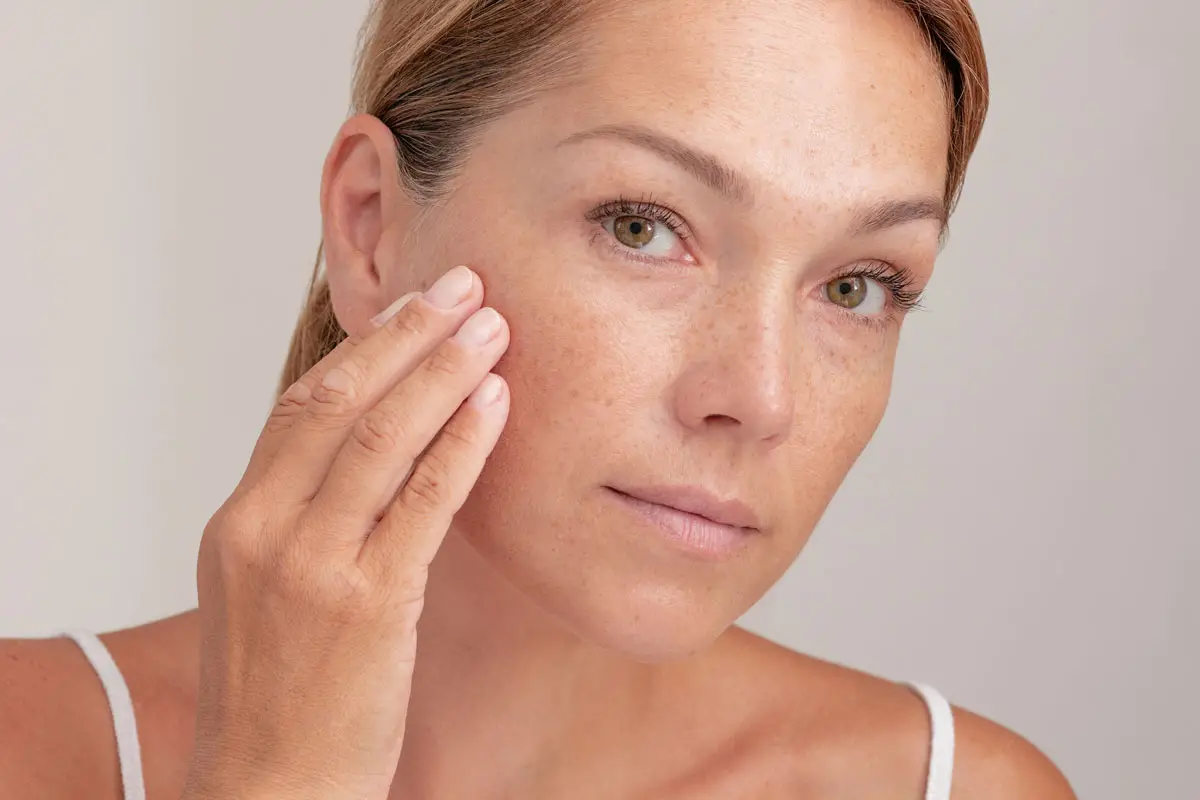
Sun spots on the skin occur due to increased melanin production in the skin. Melanin is the pigment that gives skin its color and is produced more with exposure to sunlight. The harmful UV rays of the sun can cause this pigment to intensify and cause brown or reddish spots to form on the skin. These spots become more visible, especially in the summer months, when exposed to the sun more.
Symptoms of Sun Spots
Sun spots are usually brown, red or yellowish in tone and appear concentrated in certain areas on the skin. They are most commonly seen in areas directly exposed to the sun, such as the cheeks, nose, forehead and shoulders. These spots may be small dots in some people and larger areas in others.
What to Do for the Treatment of Sun Spots
It is important to take care of your skin care and follow certain steps regularly for the treatment of sun spots:
Using Sunscreen: It is essential to use high factor sunscreen every day to prevent the formation of sun spots. It should be applied to the skin 20-30 minutes before sun exposure and should be renewed regularly during the day.
Skin Cleansing and Moisturizing: It is important to cleanse and moisturize regularly to remove dead skin cells and ensure renewal. Otherwise, sun spots may become more permanent.
Skin Care Products: It is beneficial to use products that help lighten spots on the skin. Ingredients such as vitamin C, niacinamide (vitamin B3), and glycolic acid can help lighten the appearance of sun spots.
Laser Treatment for Sun Spots
Laser applications are a very effective option in the treatment of sun spots. Laser light targets excess melanin production in the skin and lightens the color of the spots. Treatments such as Q-Switch laser and Fraxel laser can help eliminate spots on the skin. The advantage of laser treatment is that it provides a deep effect and lightens spots on the skin quickly. However, it is important to consult a dermatologist before laser treatment.
Chemical Peeling and Sun Spots
Chemical peeling is a process that peels dead cells from the skin surface and is another effective method for treating sun spots. The acids applied during peeling clean the spots on the skin superficially and help the skin renew. Regular chemical peeling applications can help the spots lighten over time and give the skin a smoother appearance.
Natural Methods for Sun Spots
Natural ingredients can help lighten sun spots, but their effects are seen in the long term. Here are some natural methods:
Aloe Vera: Aloe vera soothes inflammation in the skin and helps spots heal faster. Applying fresh aloe vera gel directly to the spots can be effective.
Lemon Juice and Honey: Lemon juice is a natural whitener and moisturizes the skin when combined with honey. Leaving this mixture on the skin for 10-15 minutes can help lighten the spots.
Yogurt Mask: Yogurt provides a moisturizing effect for the skin and can also help lighten the spots. Applying a yogurt mask 2-3 times a week can help restore skin color balance.
Retroactive Measures in Skin Care
It is necessary to pay attention to skin care to prevent sun spots from reoccurring. Using sunscreen before going out in the sun will protect your skin. In addition, using a moisturizer suitable for your skin strengthens your skin barrier and makes it more resistant to the harmful effects of the sun.
When Should You See a Doctor for Sun Spots?
Although sun spots can often be treated, if there are symptoms such as sudden changes in the spots, rapid growth or change in shape, professional help should be sought from a dermatologist. Such changes may be a sign of a more serious problem such as skin cancer and early intervention is important.
In Conclusion
Treatment of sun spots may take time, but these spots can be lightened with the right skin care and treatment methods. Sun protection, regular care and professional treatment options can help you get rid of sun spots. It is always important to be careful to protect your skin health and prevent spots. If you would like to learn more about sun spots, you can consult a dermatologist to create the most appropriate treatment plan for you.
 Call
Call
 Whatsapp