



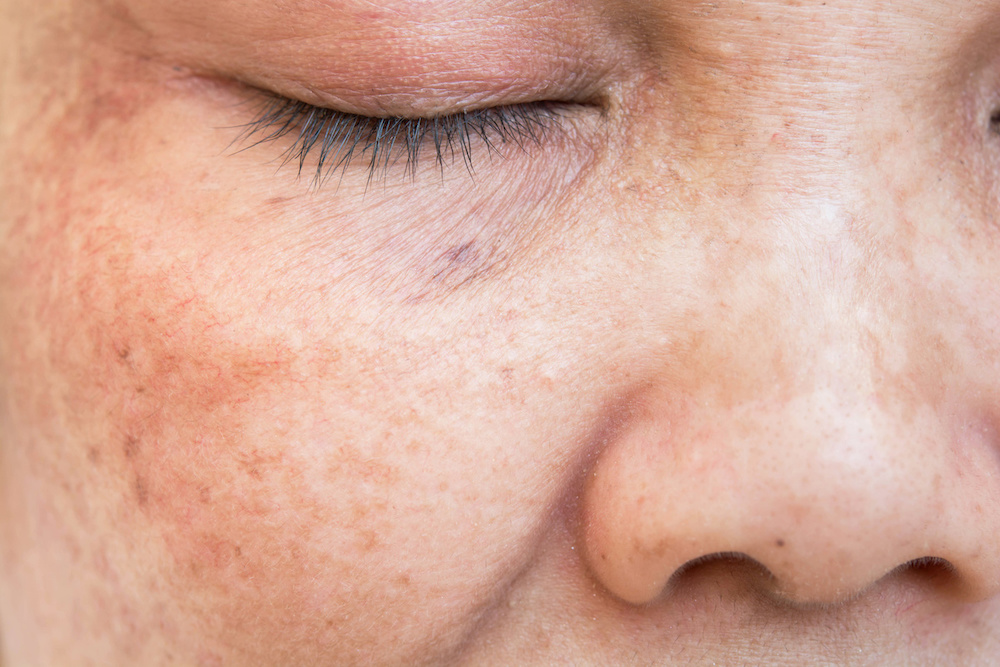
Sunspots on the face occur as a result of the skin overproducing the pigment called melanin. This excess melanin production is a side effect of sun exposure. Sunspots usually appear on exposed areas of the face, especially around the forehead, cheeks and upper lip. These spots are usually brown or dark brown in color and are sometimes star-shaped or irregularly distributed.
Causes and Risk Factors of Sunspots
There are many reasons and risk factors for the appearance of sunspots. One of the most common causes is overexposure to the sun or the habit of not using sunscreen. Harmful UV rays of the sun damage the skin and increase melanin production, thus causing sunspots to form. Additionally, genetic factors may also play a role in the formation of sunspots. If there are people in your family with sunspots, your risk of developing sunspots may increase.
Ways to Prevent Sunspots on the Face
The most effective way to prevent sunspots on the face is to limit sun exposure. Try to spend less time outside, especially during peak sun hours (noon hours). Additionally, the use of sunscreen is also important to prevent sunspots. You can protect your skin from the harmful effects of the sun by using a high factor sunscreen cream daily. Protective accessories such as hats and sunglasses can also help reduce your sun exposure.
Natural Solutions for Sunspots on the Face
You can use natural solutions to lighten and reduce sunspots on the face. Lemon juice is a natural whitener that helps reduce the appearance of sunspots. You can apply lemon juice on sunspots with the help of a cotton pad. Additionally, apple cider vinegar may also help lighten the appearance of sunspots. You can use apple cider vinegar by diluting it with water and applying it to sunspots. These are just a few examples of natural remedies, but it is important to consider your skin sensitivity before using any natural remedy.
Over-the-Counter Treatments for Facial Sunspots
If natural solutions don't work, you can try over-the-counter treatments to reduce facial sunspots. Many cosmetic products contain active ingredients that can help reduce the appearance of sunspots. For example, creams and serums containing retinol can help reduce sunspots by promoting skin cell renewal. Additionally, products containing vitamin C may also help lighten sunspots. When using these products, be sure to follow the instructions carefully and discontinue use in case of any adverse reactions.
Professional Treatments for Sunspots on the Face
If the treatments you apply at home do not give results or if sunspots cause serious concern on your skin, you can consider professional treatments. A dermatologist or esthetician can offer different professional treatment options. These include chemical peels, laser treatment and IPL (intense pulsed light) treatment. These treatments can help resurface your skin by targeting sunspots. However, keep in mind that professional treatments may have risks and side effects. Therefore, it is important to carefully consider all options and risks before consulting a professional.
Tips for Healthy Skin and Preventing Future Sunspots
You can follow some tips to have healthy skin and prevent sunspots in the future. First, it's important to use cleanser and moisturizer daily. This helps create a healthy skin barrier by cleansing as well as moisturizing your skin. Additionally, by exfoliating regularly, you can exfoliate your skin and encourage its regeneration. Additionally, having a healthy eating habit can help prevent sunspots by nourishing your skin from within. Finally, avoiding harmful habits such as smoking and alcohol will also help protect your skin.
How to get rid of sunspots on the face
Free Information,
Consultation and Appointment Request
 Call
Call
 Whatsapp