



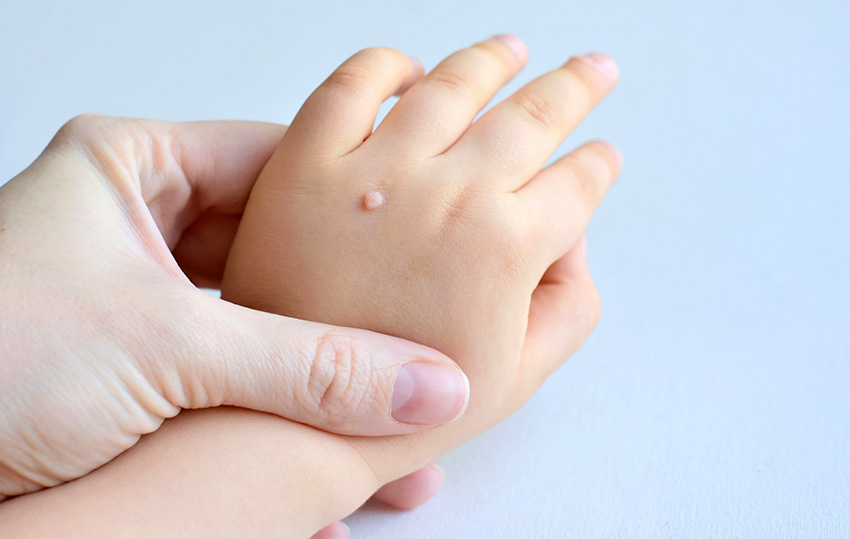
Warts can be of different types, often appearing in different parts of the body. The most common types of warts are:
1. Flat Warts: They usually appear on the hands and face. They have a smooth and flat surface.
2. Plantar Warts: These are warts that appear on the soles of the feet. These types of warts can often cause pain when walking or wearing shoes.
3. Wart-Like Warts: These warts can occur around the nails or fingers. Unlike other warts, these types of warts are skin colored and are more commonly seen in adults.
4. Flattened Warts: These warts usually appear in children and teenagers. They have a smooth surface and are mostly found on the face, hand or arm.
Causes and Risk Factors of Warts
The most common cause of warts is the HPV virus. HPV can be transmitted through direct contact with an infected person and can lead to the formation of warts on the skin. Additionally, factors such as a weak immune system, injured skin, or frequent exposure to humid environments may also increase the risk of wart formation. HPV is especially likely to spread in places like swimming pools, gyms, or shared showers.
Methods That Can Be Used at Home to Get Rid of Warts
There are some effective methods that can be applied at home to get rid of warts. Here are some home remedies you can try:
1. Apple Cider Vinegar: Soak a cotton ball in apple cider vinegar and apply it to the wart. Secure the cotton bandage and leave it on for a few hours. You can repeat this process several times a day. Apple cider vinegar can help the wart dry and fall off.
2. Garlic: Crush a clove of garlic and apply it on the wart. Cover it with tape and let it sit overnight. Garlic has antiviral properties and can help shrink warts.
3. Aloe Vera: Aloe vera gel is known for its antibacterial and anti-inflammatory effects when applied on warts. You can apply it to the wart several times daily.
You should be careful while using these home remedies and stop using them in case of any adverse reaction. Additionally, if you think your wart is large or bothersome, it would be beneficial to consult a specialist.
Over-the-Counter Treatments for Warts
There are some over-the-counter medications available to get rid of warts. These medications are usually applied to the wart and help the warts dry and fall off. Here are some commonly used over-the-counter medications for warts:
1. Wart Tape: Wart tape is a tape that is applied to the wart. These patches often contain salicylic acid and help dry the wart. You may need to use the patches for a certain period of time.
2. Wart Cream: Wart cream is a cream applied on the wart. These creams usually contain salicylic acid or sometimes trichloroacetic acid. It is important to use the cream regularly and follow the instructions.
3. Wart Spray: Wart spray is a spray that is sprayed on the wart. This spray usually contains salicylic acid or trichloroacetic acid. You may need to use the spray directly on the wart.
It is important to read the instructions carefully before using over-the-counter wart treatments and to discontinue use in case of any adverse reactions.
Medical Procedures for Removing Warts
Home remedies or over-the-counter treatments can be effective on most warts. However, in some cases, warts may require medical attention. Here are some commonly used medical procedures for wart removal:
1. Cryotherapy: Cryotherapy is a method used to freeze the wart. A doctor or dermatologist freezes the wart using liquid nitrogen, allowing the wart tissue to die.
2. Electrocauterization: Electrocauterization is a method used to burn off the wart using an electric current. A doctor or dermatologist uses electric current to burn and remove the wart's tissue.
3. Laser Treatment: Laser treatment is a method used to destroy warts using intense light energy. A doctor or dermatologist focuses laser light on the wart, destroying the wart's tissue.
Tips to Avoid Warts
You can take some steps to prevent the appearance of warts. Here are some tips to help you avoid warts:
1. Follow Hygiene Rules: Wash your hands regularly and keep them clean. Also, take appropriate hygiene precautions in shared pools, showers or gyms.
2. Pay Attention to Wearing Shoes and Socks: Always wear clean, dry socks and appropriate shoes to prevent foot warts. Also, avoid wearing other people's shoes.
3. Keep Your Skin Moisturized: Dry and cracked skin can facilitate the formation of warts. Use a moisturizer and drink adequate amounts of water to keep your skin hydrated.
When Should You See a Doctor for Warts?
Usually warts can be treated at home. However, warts
How to get rid of warts
Free Information,
Consultation and Appointment Request
 Call
Call
 Whatsapp