


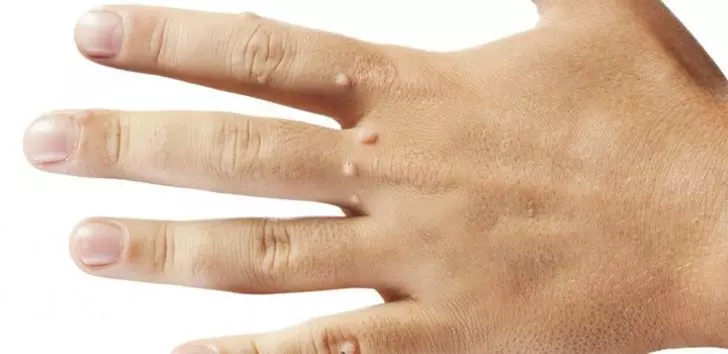

Warts are usually seen on the hands, fingers, feet and legs. They appear by forming a rough and thick tissue. The causes of the formation of warts include a weak immune system, stress, trauma and other infections. Warts may disappear on their own or require treatment, depending on the person.
The formation and spread of warts depends on the state of the person's immune system. If the immune system is strong, warts can heal in a shorter time. However, if the immune system is weak, the treatment of warts may take longer and the risk of recurrence is higher.
Medicines Used in Wart Treatment
Various medications can be used to treat warts at home. The most frequently preferred of these are:
1. Salicylic Acid: It provides effective treatment by softening the surface of the warts and peeling off their layers. It is usually applied one or two times a day.
2. Lactic Acid: It is an effective treatment method by softening the wart tissue and peeling off its layers. It can be applied one or two times a day.
3. Zinc Oxide: A drug that dries and cures warts. It is usually applied once or twice a day.
4. Cantharidine: A drug that irritates the wart tissue and causes it to fall off. It should be used under the supervision of a doctor.
5. Podophyllotoxin: A drug that kills the wart tissue and causes it to fall off. It should be used under the supervision of a doctor.
In addition to these drugs, some natural methods at home can also be effective in the treatment of warts. For example, natural products such as garlic, apple cider vinegar, and turmeric can help warts dry out and fall off.
When Should You See a Doctor for Wart Treatment?
Although it is possible to treat warts at home, it may be necessary to see a doctor in some cases. It is recommended to consult your doctor in the following cases:
• If the warts are numerous and large in size
• If the warts are painful, itchy or infected
• If the warts are in sensitive areas of the body (face, genital area, etc.)
• If the warts do not go away on their own and home treatment methods are not effective
• If the spread of the warts cannot be stopped
• If the immune system is weak and the warts recur frequently
Your doctor will determine the appropriate treatment method by evaluating the type and condition of the warts. Sometimes, more advanced treatment options such as freezing, laser treatment or surgery may be required.
Precautions That Can Be Taken to Prevent the Spread of Warts
You can take the following precautions to prevent the spread of warts:
• Wash the area with the warts frequently and keep them clean.
• Cover the area with the warts and avoid contact with other people.
• Avoid touching the area with the warts and wash your hands frequently.
• Do not share common items (towels, socks, etc.) with other people.
• Protect your feet when swimming in common areas such as bathrooms, showers and pools.
• Avoid stress and factors that weaken the immune system.
• Strengthen your immune system by adopting a healthy lifestyle.
 Call
Call
 Whatsapp