


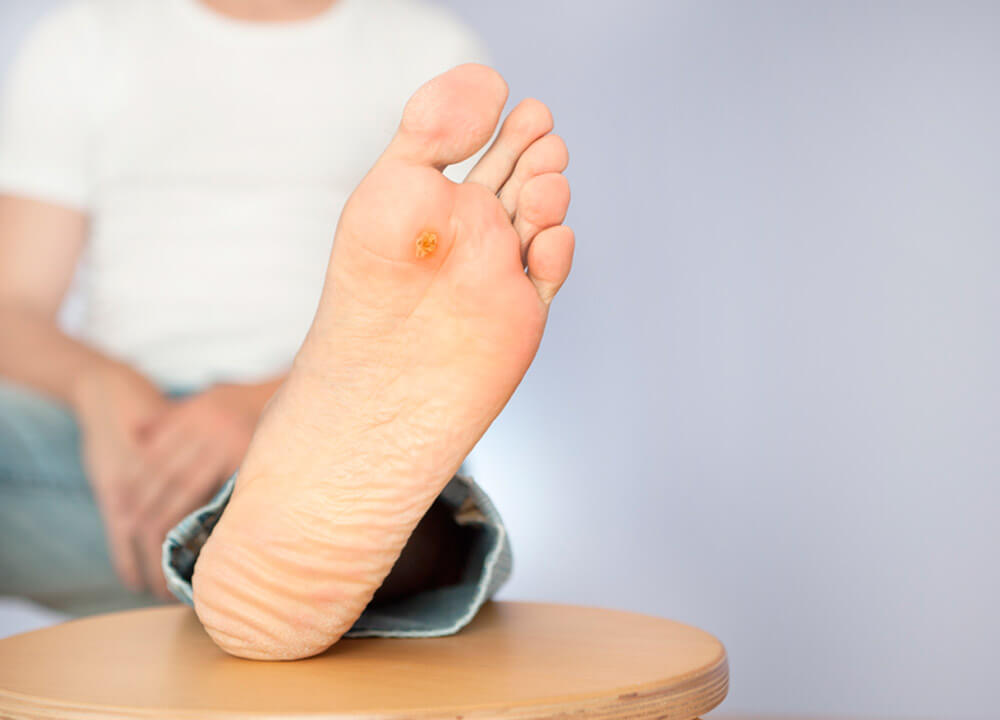

A foot wound is a type of skin damage that occurs on the sole of the foot and is difficult to heal. These wounds usually occur due to friction, pressure or trauma. Foot wounds manifest themselves with symptoms such as pain, redness, swelling and even infection.
Causes of Foot Wound Formation
The most common causes of foot wound formation are as follows:
1. Friction: Friction caused by shoes that are the wrong size, excessive use or wearing inappropriate shoes can lead to foot wounds.
2. Pressure: Pressure caused by reasons such as standing for long periods, carrying heavy loads or obesity can lead to foot wounds.
3. Trauma: Foot traumas such as falls, bumps or cuts can also lead to foot wounds.
4. Diabetes: Diabetics have a higher risk of foot wounds due to damage to nerve endings and blood circulation problems.
5. Circulatory Disorders: Circulatory problems such as peripheral artery disease and venous insufficiency can also pave the way for foot wounds to develop.
How to Clean a Wound on the Bottom of the Foot?
Cleaning wounds on the bottom of the foot is very important during the healing process. You can safely clean your wound by following the steps below:
6. Washing Hands: Wash your hands thoroughly with soap and warm water.
7. Washing the Wound: Gently wash the wound with clean, warm water and a soft cloth. Avoid using soap.
8. Drying: Gently dry the wound with a clean, dry cloth.
9. Applying Antiseptic: Clean the wound with an antiseptic solution. You can use products such as chlorhexidine gluconate or povidone iodine for this.
10. Letting Dry: Let the wound dry for a while.
How to Dress a Wound on the Bottom of the Foot?
After cleaning the wound, applying an appropriate dressing will speed up the healing process. You can safely dress your wound by following the steps below:
11. Assessing the Wound: Check the depth, width and signs of infection of the wound.
12. Dressing Materials Are Prepared: Prepare dressing materials such as sterile gauze, adhesive bandage, and medical tapes.
13. Wound is Closed: Keep the wound clean and dry, and cover it with sterile gauze.
14. Dressing is Applied: Use adhesive bandage or medical tapes to secure the gauze.
15. Dressing is Changed: Check the dressing daily and change it when necessary.
Methods to Prevent Wounds on the Bottom of the Foot
You can take the following precautions to prevent wounds from forming on the bottom of the foot:
16. Choosing Appropriate Shoes: Choose comfortable, supportive shoes that fit your foot anatomy.
17. Foot Care: Wash your feet regularly, cut your nails short, and moisturize the skin of your feet.
18. Prevent Inactivity: Avoid standing for long periods of time and rest regularly.
19. Diabetes Control: If you have diabetes, closely monitor your blood sugar and take care of your feet.
20. Circulatory Support: If you have circulatory disorders, follow the treatments recommended by your doctor.
Which Doctor Should You See for a Wound on the Bottom of Your Foot?
For wounds on the bottom of your foot, you can get help from one of the following specialists:
• Family Doctor: Your family doctor may be your first point of contact for minor injuries.
• Orthopedic Specialist: For foot and ankle problems, you can consult an orthopedic specialist.
• Podiatrist: Podiatrists who specialize in foot health can help you treat wounds on the bottom of your foot.
• Diabetes Specialist: For the treatment of wounds on the bottom of your foot seen in diabetic patients, you can consult a diabetes specialist.
 Call
Call
 Whatsapp