


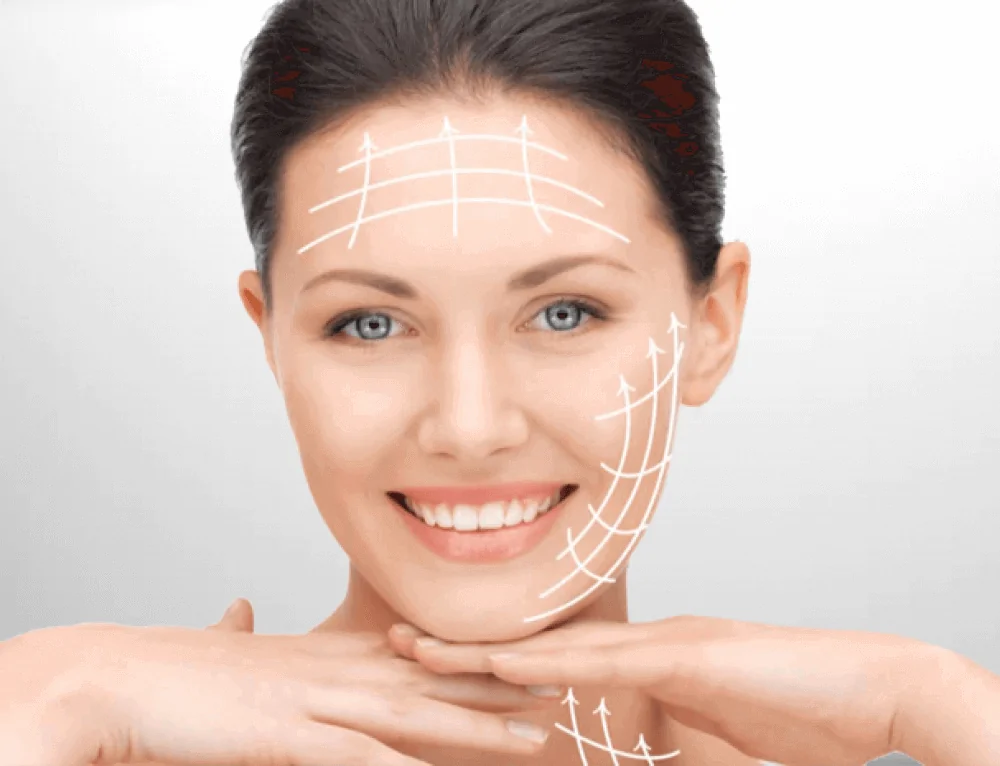

Formation of Facial Fat
Facial fat generally accumulates over time due to genetic factors, eating habits and lifestyle. Fat cells under the skin store fat, as in other parts of the body. However, these fats can become more visible in the facial area, especially in areas such as the chin, cheeks and under the chin. Fat deposits on the face can also be affected by factors such as the aging process, excessive calorie intake, irregular sleep and stress.
Diet and Nutrition Recommendations for Facial Fat
The first step to reducing facial fat is to adopt a healthy diet. It is important to balance calorie intake to prevent excess weight from accumulating in the facial area as in other parts of the body. Here are some nutritional recommendations:
1. Avoid Sugar and Processed Foods
Excessive sugar and processed foods can lead to fat accumulation in the body. High sugar consumption increases insulin levels, which leads to fat storage. Preferring a diet that includes fresh vegetables, fruits, whole grains and healthy fats helps prevent this process.
2. Regular Water Consumption
Drinking enough water supports skin health and helps to remove toxins from the body. Water consumption also speeds up metabolism, helping the body burn fat faster.
3. Consume High-Protein Foods
High-protein foods help increase muscle mass and cause the body to spend more energy. This can reduce the amount of fat in the body. Foods such as eggs, chicken, fish, and legumes can be preferred as a source of protein.
Exercise Methods for Facial Fat
Reducing overall body fat is important to melt facial fat. Exercise helps lose fat in the entire body and also helps reduce fat in the face area. Here are effective exercise suggestions:
1. Cardio Exercises
Cardio exercises such as running, walking, cycling, and swimming help burn calories and reduce overall body fat. Controlling the amount of fat in the body by doing regular cardio also helps reduce fat in the face area.
2. Facial Exercises
Exercises that work the facial muscles strengthen the muscles in the facial area, providing a tighter and more toned appearance. For example, simple movements such as smiling, lip movements or opening and closing the mouth can work the facial muscles. Although these exercises do not directly reduce fat accumulation, they can help the skin look tighter.
3. Yoga and Meditation
Yoga and meditation can help reduce stress levels. Stress can increase fat storage in the body and lead to fat accumulation, especially in the facial area. Therefore, managing stress can help the fat loss process.
Aesthetic Methods for Facial Fat
If the desired results cannot be achieved with nutrition, exercise and lifestyle changes, aesthetic methods can also be preferred. Here are some effective aesthetic treatment options:
1. Lipolysis (Fat Injection)
Lipolysis is an aesthetic procedure performed to target and thin the fat in the facial area. By injecting special fat-melting substances under the skin, fat in the facial area can be reduced. This procedure is very effective in eliminating localized fat accumulations.
2. Laser Lipolysis
Laser lipolysis uses laser technology to melt the fat under the skin by heating it. It targets the fat in the face and helps to reduce fat without any surgical intervention.
3. Ultrasonic Fat Melting (Ultracool)
Ultrasonic fat melting targets the fat cells in the body using sound waves. This process can also effectively reduce fat in the face area. By targeting the fat in the face, it can help the skin to gain a smoother and tighter appearance.
Conclusion
Melting the fat in the face is a process that requires patience and a regular approach. It is possible to reduce the fat in the face area with a healthy diet, regular exercise and aesthetic treatment options. Whichever method you choose, it is important to first consult a dermatologist or aesthetic specialist and decide on the most effective treatment that suits your personal needs.
 Call
Call
 Whatsapp