



Teeth grinding is a condition medically called bruxism. This means uncontrolled grinding or clenching of teeth, usually while asleep or awake. This can lead to various problems in the teeth, jaw joint and surrounding muscles and bones.
What Causes Teeth Clenching?
There are many factors that cause teeth grinding. These include stress, anxiety, depression, sleep disorders, caffeine or alcohol consumption, use of certain medications, and problems in the jaw joint. Additionally, genetic factors may also affect the tendency to clench teeth.
Symptoms of Clenching Teeth
Symptoms of teeth grinding include:
• Wear, breakage or fracture of teeth
• Jaw, facial or headache
• Earache
• Loud teeth grinding sounds during sleep
• Feeling of fatigue or tension in the jaw muscles when waking up
• Restriction or locking in jaw movements
How Can You Prevent Teeth Grinding?
Various methods can be used to prevent teeth grinding. The most effective among these are listed below:
Suggestions for a Stress-Free Life
1. Exercise regularly: Exercise is an effective method of reducing stress and anxiety. Do regular activities such as walking, yoga or pilates at least 3-4 days a week.
2. Practice meditation and relaxation techniques: Meditate or do deep breathing exercises for 10-15 minutes daily. This will help you relax mentally and physically.
3. Pay attention to your sleep pattern: Getting adequate and quality sleep reduces your stress level. Make sure you sleep between 7-9 hours a night by arranging your sleep routine.
4. Review your eating habits: A healthy and balanced diet is important for both your physical and mental health. Avoid processed foods, excessive caffeine and alcohol consumption.
5. Enrich your social life: Spending time with family, friends and loved ones can help reduce your stress. Make time for your hobbies and interests.
Precautions That Can Be Taken to Prevent Teeth Grinding
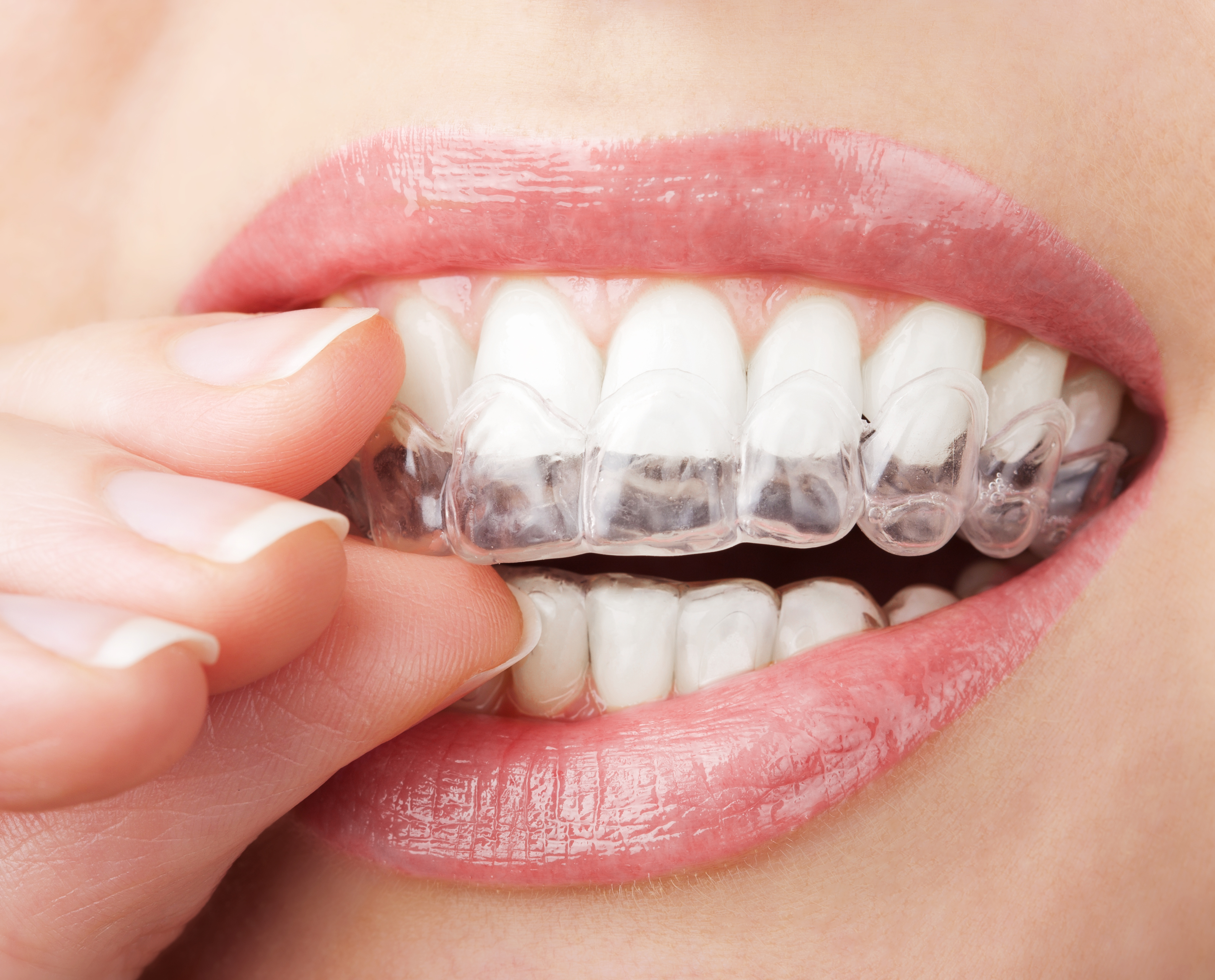
6. Use night guards: Your dentist can prescribe specially made night guards to prevent you from grinding your teeth at night. These aligners prevent damage by keeping your teeth apart.
7. Do relaxation exercises: Regularly perform the relaxation exercises recommended by your dentist to relax your jaw and facial muscles.
8. Apply a warm compress: If you are experiencing jaw pain or tension, applying a warm compress can provide relief.
9. Follow your walrus at night: Your spouse or family members who hear teeth grinding sounds during sleep may warn you. In this way, you can become aware of the problem and take the necessary precautions.
10. Consult a dentist who specializes in teeth grinding: If you have a serious teeth grinding problem, you should see your dentist and get a professional evaluation and treatment.
The Relationship between Teeth Grinding and Sleep
Teeth grinding usually occurs during sleep. Factors such as poor sleep quality, stress and anxiety may increase the tendency to grind teeth. Additionally, teeth clenching can also negatively affect sleep quality. Some sleep disorders, such as sleep apnea, can also increase the risk of teeth grinding.
How to Prevent Teeth Grinding
Free Information,
Consultation and Appointment Request
 Call
Call
 Whatsapp