


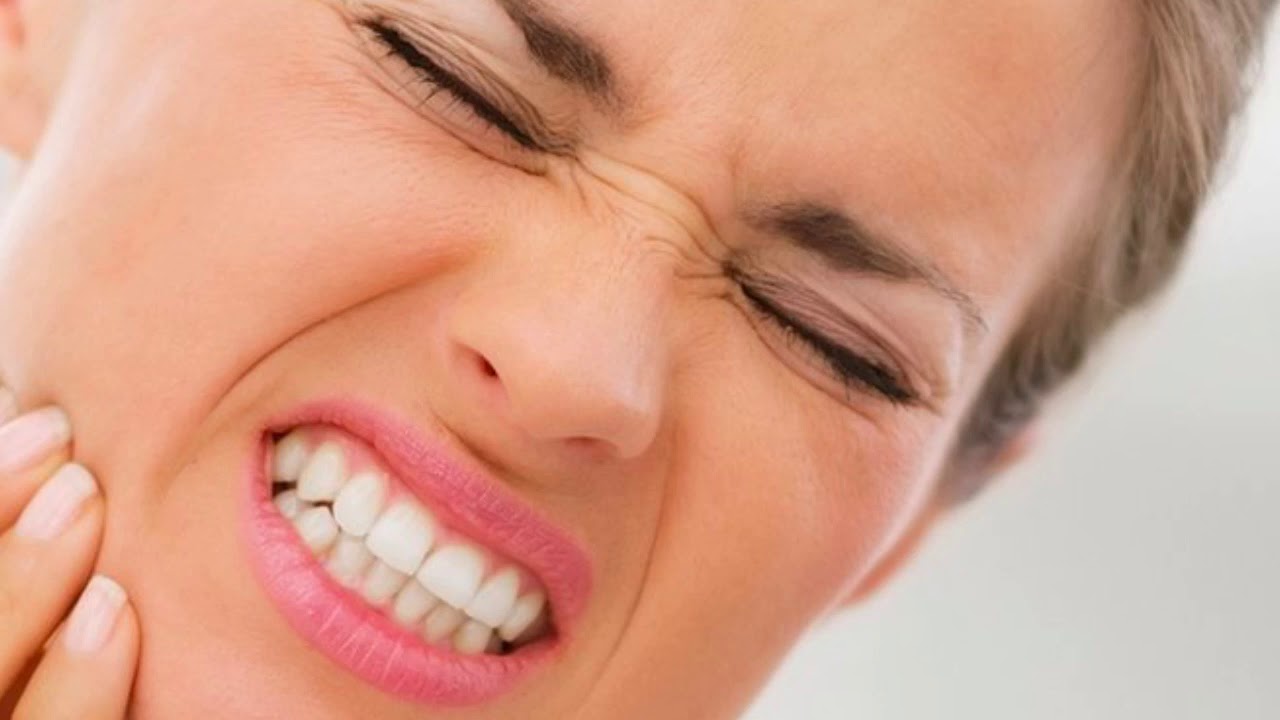

Teeth clenching is the act of squeezing the teeth by contracting the jaw muscles. It is usually done unconsciously and occurs during sleep. Teeth grinding is common in many people's lives and can be due to a variety of reasons, such as stress, anxiety, sleep disorders or dentition.
Causes of Teeth Grinding
There are many reasons for teeth grinding. These may include stress, anxiety, anger, sleep disorders, tooth misalignment or poor bite. A stressful lifestyle or emotional difficulties can lead to tightening of the jaw muscles and the habit of clenching the teeth. Additionally, misalignment of the teeth or poor bite alignment can also be a cause of teeth clenching.
Effects of Teeth Grinding on Oral Health
There are many negative effects that teeth grinding can have on your oral health in the long run. Constant teeth clenching can cause tooth wear, jaw joint problems, headaches, jaw pain, and even insomnia. The wear caused by teeth clenching can lead to damage to tooth enamel and breakage of teeth. Additionally, jaw joint problems can cause problems such as jaw pain, earache, and difficulty chewing.
Symptoms of Teeth Grinding
The symptoms of teeth grinding can often differ from person to person. Some common symptoms are:
Wear or breakage of teeth
jaw pain or facial pain
headaches
Earache or ringing
jaw joint problems
Insomnia or sleep disorders
Diagnosis of Teeth Grinding
If you are experiencing symptoms of teeth grinding, it is important to see a dentist. The dentist will evaluate the cause and effect of teeth clenching. A dental examination and x-rays are usually required for diagnosis. In some cases, an overnight examination may also be performed to identify teeth clenching during sleep.
Tips to Ease Teeth Grinding
There are some tips and methods to relieve the symptoms of teeth grinding. Here are some steps you can try:
Using stress management techniques: Stress management techniques such as yoga, meditation, or breathing exercises can relieve the symptoms of teeth grinding.
Applying hot or cold compresses: You can apply hot or cold compresses to relax the jaw muscles.
Doing jaw exercises: You can do exercises that strengthen and relax the jaw muscles.
Using a mouthguard at night: You can use a mouthguard at night to reduce the effects of teeth grinding.
Lifestyle Changes to Reduce Teeth Grinding
Making lifestyle changes to reduce teeth grinding may also be effective. Here are some changes you can try:
Reducing stress: To reduce stress, it is important to exercise regularly, engage in hobbies or practice relaxation techniques.
Paying attention to sleep patterns: Getting regular sleep and improving the sleep environment can help reduce teeth grinding.
Limiting caffeine and alcohol consumption: Caffeine and alcohol can increase the habit of teeth grinding, so it is important to limit their consumption.
Identifying the triggers of teeth grinding: You can reduce the habit of teeth grinding by identifying the triggers of teeth grinding and taking precautions to prevent these situations.
Professional Treatment Options for Teeth Grinding
If teeth grinding symptoms persist, it is important to consult a dentist and consider professional treatment options. These treatment options may include:
Night mouthpiece: A night mouthpiece can be used to reduce the effects of teeth clenching.
Botulinum toxin injections: Botulinum toxin injections can be used to relax the jaw muscles.
Physical therapy: Physical therapy can be applied to relax the jaw and neck muscles.
Orthodontic treatment: He or she may recommend orthodontic treatment to ensure proper alignment of the teeth.
Natural Solutions for Teeth Grinding
Natural solutions for teeth grinding can also be tried. Here are some natural methods you can try:
Aromatherapy: You can relax jaw muscles by using relaxing oils such as lavender or chamomile.
Herbal teas: Herbal teas, such as lemon balm or chamomile, can reduce stress and relax jaw muscles.
Massage: You can provide relief by massaging the jaw muscles.
Hot bath: You can relax muscles and reduce stress by taking a hot bath.
 Call
Call
 Whatsapp