



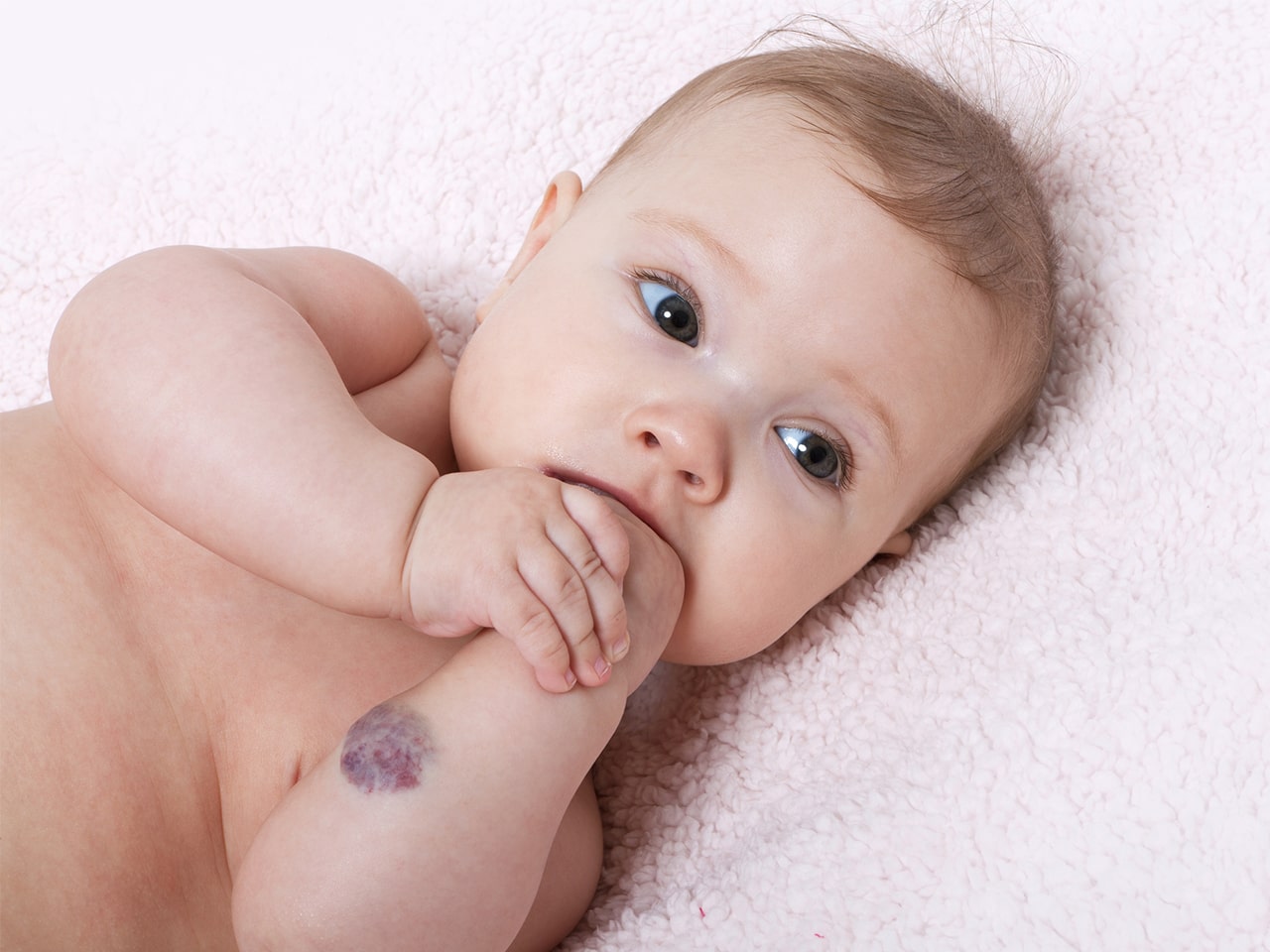
Birthmarks are color changes that appear in some areas of the skin of babies after birth. These spots usually appear on areas of the body that are more exposed to the sun, such as the face, neck, hands and feet. Birthmarks can range in color from red to brown and begin to fade over time as babies grow.
The formation of birthmarks is related to factors such as the skin's oxygen level, pigment production and blood circulation. Some babies are born with more visible markings after birth, while others may have paler colors. Most birthmarks disappear on their own as the baby grows, but in some cases they can be more permanent and require special treatment.
Causes of Birthmark
Many factors can cause the formation of birthmarks. Among them:
1. Pigment Production: Babies' skin begins to produce more pigment after birth. This can cause birthmarks to form.
2. Blood Circulation: Changes in the blood circulation of babies during birth can lead to color changes on the skin.
3. Oxygen Level: Fluctuations in babies' oxygen levels during birth can contribute to the appearance of birthmarks.
4. Hormonal Changes: Hormonal changes during birth can cause color changes on the skin.
5. Health Problems in the Mother: Some health problems in the mother may increase the risk of birthmarks in babies.
6. Genetic Factors: Some people may be more prone to birthmark formation.
Types of Birthmarks
There are several types of birthmarks:
7. Erythema (Redness) Spot: Red or pink spots seen on the face, neck, hands and feet of babies.
8. Brown Spots: Darker spots usually seen on the face and back.
9. Blue Spots: More rare bluish spots that usually appear on the back and neck.
10. Lymphatic Malformation Spot: Red or purple spots that can be more permanent and are often seen on the face.
11. Portwine Spot: Red or purple colored, more permanent spots that are usually seen on the face and neck.
Most of these types of blemishes begin to fade as the baby grows, but some may be more persistent and require special treatment.
How to Remove Birthmark?
Various methods can be used to remove birthmarks. Among them:
12. Methods that can be applied at home:
• Moisturizing creams
• Natural oils (olive oil, almond oil, coconut oil)
• Lemon juice or apple cider vinegar
13. Dermatology Clinics:
• Laser treatment
• Chemical peeling
• Medication
• Special creams for skin blemishes
14. Plastic Surgery Options:
• Surgical excision (complete removal of the stain)
• Dermabrasion (abrasion of the skin surface)
• Skin grafts
Since each method has advantages and disadvantages, it is important to consult a dermatologist to determine the most appropriate option for birthmark treatment.
Methods That Can Be Used at Home for Birthmarks
In mild cases of birthmarks, some home remedies may be effective:
15. Moisturizing Creams: Moisturizers applied to birthmarks can help fade the spots.
16. Natural Oils: Natural oils such as olive oil, almond oil and coconut oil can be used to treat blemishes.
17. Lemon Juice or Apple Cider Vinegar: These acidic substances can help fade the stain by creating a mild exfoliating effect on the stain.
18. Use of Sunscreen: Avoiding exposure of birthmarks to the sun helps the spots fade faster.
Applying all these methods regularly and patiently can contribute to the reduction of birthmarks. However, for more serious or permanent stains, it may be necessary to consider professional treatment options.
How to Remove a Birthmark
Free Information,
Consultation and Appointment Request
 Call
Call
 Whatsapp