



Tattoo removal methods may differ from person to person depending on various factors. These include factors such as the size of the tattoo, its color, skin type, and how deep the tattoo is. Here's a look at the most commonly used tattoo removal methods:
1. Laser Tattoo Removal
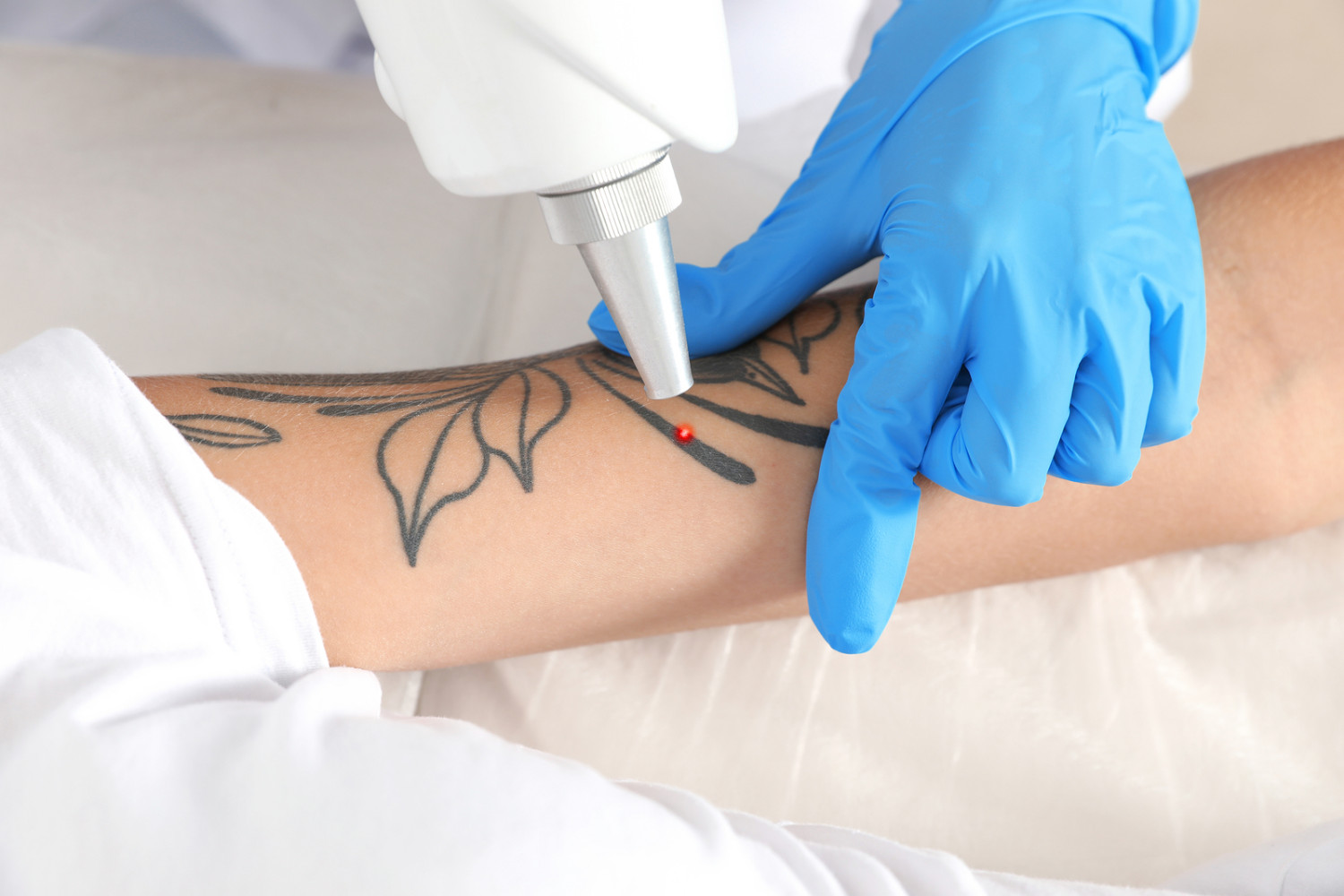
Laser tattoo removal is the most widely used method that helps remove tattoos effectively. In this method, tattoo ink is broken down and absorbed by the body using high-intensity laser light. Laser tattoo removal usually consists of several sessions, and with each session the tattoo is reduced.
Laser tattoo removal can often be a little painful and may cause a slight burning sensation in some people. After the procedure, there may be redness, blistering or a slight burning sensation on the skin. However, these symptoms usually pass within a few days. The laser tattoo removal method may vary depending on the size, color and skin type of the tattoo, so it is important to work with a professional tattoo removal specialist.
2. Tattoo Removal Creams
Tattoo removal creams are another method used to lighten or completely remove tattoos. These creams are usually applied over the tattoo and absorbed into the skin. Tattoo removal creams break down the ink in tattoos and remove them from the skin.
However, there are varying opinions about the effectiveness of tattoo removal creams, and some people say they don't work at all. Additionally, it is important to consult an expert before using tattoo removal creams. Some tattoo removal creams can cause skin irritation and lead to unwanted side effects.
3. Tattoo Removal Surgery
Tattoo removal surgery is a method that involves removing the tattoo by cutting it under the skin. This method is generally preferred for erasing large tattoos. Tattoo removal surgery is performed under local anesthesia and usually takes a few hours.
The healing process after tattoo removal surgery can be long and may leave scars on the skin. Therefore, it is important to learn about the risks and consequences before undergoing tattoo removal surgery. You may also need to carefully monitor the recovery process after surgery.
Factors to Consider Before Tattoo Removal
There are some factors you need to consider before making the decision to remove a tattoo. Here are some of them:
1. Age and Condition of the Tattoo
Depending on the age and condition of the tattoo, removal may be easier or more difficult. While newly made tattoos are generally easier to remove, old tattoos may be more difficult to remove. Additionally, the color of the tattoo and how deep it is in the skin can also affect the removal process.
2. Skin Type
Skin type is an important factor when choosing a tattoo removal method. Some skin types may be more sensitive and may carry a higher risk of side effects with methods such as laser tattoo removal. Therefore, it is important to evaluate your skin type and determine the most appropriate tattoo removal method.
3. Health Status
Health status is an important factor for tattoo removal. Some health conditions may not be suitable for tattoo removal. Therefore, if you have any health problems, it is important to consult a tattoo removal specialist.
Preparation for Tattoo Removal
It is important to follow some steps when preparing for tattoo removal. Here are some important steps to consider when preparing for tattoo removal:
1. Consult a Tattoo Removal Expert: It is important to consult a specialist for tattoo removal. The specialist will evaluate the characteristics of your tattoo and determine the most appropriate removal method.
2. Decide on the Removal Method: Choose the most appropriate tattoo removal method in line with your specialist's recommendations. This may vary depending on the size and color of your tattoo and your skin type.
3. Stop Treatment Before the Procedure: It is important to stop taking blood thinners, drugs such as aspirin and alcohol before the tattoo removal process. Such substances may cause increased bleeding after the procedure.
Care After Tattoo Removal
It is important to take care of the skin after tattoo removal. Here are some of the care steps after tattoo removal:
4. Pay Attention to the Healing Process: After tattoo removal, there may be redness, blistering or a slight burning sensation on the skin. These symptoms usually pass within a few days. However, if you see any signs of infection on the skin or if the symptoms persist for a long time, consult a specialist immediately.
5. Protect yourself from the sun: After tattoo removal, your skin may be more sensitive to the sun. Therefore, protect your skin from the harmful effects of the sun by using sunscreen.
6. Have Regular Checks: It is important to have regular check-ups after tattoo removal. Your specialist will monitor your skin and follow the healing process.
Tattoo Removal Cost and Time
The cost and duration of tattoo removal may vary depending on many factors. Factors such as the size, color and skin type of the tattoo can have an impact on cost and duration. Tattoo removal usually consists of several sessions.
How to remove a tattoo
Free Information,
Consultation and Appointment Request
 Call
Call
 Whatsapp