


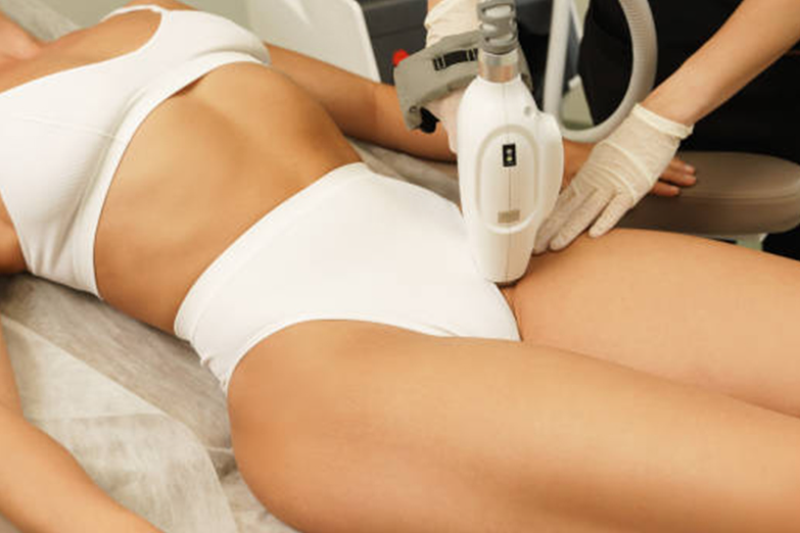

Finding the most suitable answer to the question “How to remove hair from the genital area?” depends on personal preferences, comfort level, skin sensitivity, and budget. There are several methods available for removing unwanted hair in the genital area, including epilators, laser hair removal, shaving, waxing, and natural remedies. Each method has its own advantages and limitations.
Before choosing a method, it is important to consider your skin type and sensitivity. Individuals with sensitive skin may prefer options that cause less irritation. The frequency at which you want to remove hair is also an important factor. If you are looking for a longer-term solution, laser hair removal may be a suitable option.
Below is a summary of the main methods, along with their general advantages and disadvantages:
-
Epilator Use: Provides longer-lasting smoothness but may cause mild discomfort.
-
Laser Hair Removal: Offers long-term reduction of hair growth but may require multiple sessions.
-
Shaving: Quick and painless, but hair grows back quickly.
-
Waxing: Leaves skin smooth for several weeks but can be uncomfortable.
-
Natural Methods: Chemical-free, though results are typically limited and temporary.
Using an Epilator in the Genital Area
Using an epilator in the genital area removes hair from the root, providing longer-lasting smoothness compared to shaving. Epilators work by mechanically pulling hairs out from the follicle, which helps keep the skin smooth for a longer period.
One of the main advantages of using an epilator is that hair regrowth is slower because the hair is removed from the root. Over time, regular use may result in finer regrowth. Epilators can also be used at home, making them a practical option for those seeking convenience.
However, there are important considerations. The skin should be clean and dry before use to reduce irritation. Gently stretching the skin during the process may help minimize discomfort. While mild pain can occur initially, many users report that discomfort decreases with regular use.
What Is Laser Hair Removal?
Laser hair removal is a medical aesthetic procedure designed to reduce unwanted hair growth by targeting hair follicles with concentrated light energy. The laser emits a specific wavelength that is absorbed by the pigment (melanin) in the hair, damaging the follicle and reducing future growth.
One of the main advantages of laser hair removal is long-term hair reduction. After a series of sessions, a significant decrease in hair density can typically be achieved. This reduces the need for frequent shaving or waxing.
The procedure usually involves minimal discomfort, often described as a mild warming or snapping sensation. Temporary redness or sensitivity may occur after treatment, but these effects typically subside within a short time.
It is important to note that laser hair removal may require multiple sessions and results vary depending on skin tone, hair color, and hormonal factors. Laser systems generally work most effectively on darker hair due to higher melanin concentration. A professional consultation is recommended to determine suitability.
Laser Hair Removal Applications in Ankara
Laser hair removal services in Ankara are offered by various clinics and medical aesthetic centers. As in any city, treatment quality may vary depending on the technology used and the expertise of the practitioners.
If you are considering laser hair removal in Ankara, it is advisable to research clinics carefully. Factors such as practitioner experience, device technology, hygiene standards, and consultation processes are important considerations. A detailed evaluation prior to treatment helps ensure that the selected method matches your skin and hair type.
Session numbers and treatment intervals may vary depending on individual needs. A personalized treatment plan is generally created after an initial assessment.
Types of Lasers and Their Advantages
Different laser systems are used in laser hair removal treatments. Each type is designed to suit specific skin tones and hair characteristics.
Alexandrite Laser
Alexandrite laser systems are commonly used for lighter skin tones with darker hair. They are known for fast application and effective targeting of pigmented hair.
Diode Laser
Diode lasers can be suitable for a wider range of skin tones, including medium to darker complexions. They penetrate deeper into the skin and may provide effective long-term reduction.
Nd:YAG Laser
Nd:YAG laser systems are generally considered appropriate for darker skin tones. Their longer wavelength allows safer treatment in individuals with higher melanin levels in the skin.
Choosing the appropriate laser system plays a key role in treatment safety and effectiveness. A professional evaluation is recommended before starting treatment.
Session Duration and Aftercare
The duration of a laser hair removal session typically ranges from 15 minutes to one hour, depending on the size of the treatment area and hair density.
Post-treatment care is essential for optimal results. Temporary redness or mild sensitivity may occur after the procedure. Protecting the treated area from direct sun exposure and using a gentle moisturizer can support the skin’s recovery. Avoiding hot showers, steam baths, and intense physical activity for a short period after treatment may also be advised.
Laser hair removal sessions are usually scheduled at intervals of 4–6 weeks. This timing aligns with the natural hair growth cycle, allowing the laser to effectively target active follicles. With each session, hair density typically decreases.
Laser Hair Removal at Ankara Life Polyclinic
Ankara Life Polyclinic provides laser hair removal services using modern technology and individualized treatment planning. During the consultation process, skin type, hair structure, and medical history are evaluated to determine the most appropriate approach.
The clinic utilizes FDA-cleared laser devices and follows professional treatment protocols designed to prioritize patient safety and comfort. Personalized treatment plans are created to support effective and gradual hair reduction.
Before beginning treatment, patients are typically invited for a preliminary consultation to discuss the procedure, session planning, and aftercare recommendations. This ensures that expectations are realistic and aligned with clinical assessment.
 Call
Call
 Whatsapp